
In Out of School Hours care, educators manage large groups of children in dynamic environments where safety, belonging, and engagement must coexist. One of the most essential, yet often contested, practices is the roll call and headcount.
This article explores practical strategies to help OOSH educators balance safety with connection, reduce parent complaints, and transform roll call into a positive ritual.
While families may sometimes view these routines as interruptions, for educators they are non‑negotiable safeguards. Every child must be accounted for, every session, without exception. At the same time, educators are challenged to make these practices meaningful and engaging so children feel included rather than restricted.
Why Roll Call Matters
- Safety assurance: Accurate attendance protects against risks of missing children.
- Relationship building: Introducing staff helps children know who to trust and approach.
- Routine stability: Predictable rituals calm transitions and support children with additional needs.
The Challenge
Coordinators in large centres face a balancing act:
- Safety counts: Every child must be accounted for, no exceptions.
- Engagement: Children want to play, not sit through long roll calls.
- Parent perception: Families sometimes see safety routines as interruptions rather than protection.
With 90 children, traditional roll calls can feel slow, repetitive, and frustrating for both kids and parents.
Practical Solutions
Interactive roll call
- Turn roll call into a game or chant.
- Example: Children clap once when their name is called or sing a short “here today” rhyme.
- Keeps energy positive while ensuring names are checked.
Small group helpers
- Assign peer leaders or educators to check off mini-groups (tables, mats, or zones).
- The coordinator then confirms totals.
- Cuts down time without needing extra space.
Visual attendance board
- Use a photo board or magnet chart where children move their picture/name to “I’m here” as they arrive.
- Staff can quickly scan for missing names.
- Children feel ownership; parents see transparency.
Micro headcounts
- Instead of stopping play, educators do rolling counts while moving through the room.
- Only pause if numbers don’t match after two checks.
- Communicate to parents: “We count constantly, not just once.”
Staff introductions as connection
- Frame introductions as safety anchors: “This is who you go to if you need help.”
- Keep it playful: children shout names, wave, or do a quick “staff of the day” spotlight.
- Parents see it as building trust, not wasting time.
Safety routines don’t have to feel like interruptions. By gamifying roll call, using visual tools, and reframing staff introductions as connection points, centres can reduce complaints, keep children engaged, and reassure parents that every child is seen, safe, and supported.




 The Children’s Services Award introduces a streamlined classification system and updated pay rates designed to better recognise the skills, qualifications, and responsibilities of early childhood
 The Children’s Services Award has 8 clear levels. These levels make it easier to understand where you fit, based on your experience, qualifications, and responsibilities.
 When working as a qualified early childhood teacher (with a university degree) within a service, your rate of pay will come from the Educational Services
 Diploma-qualified educators play a vital role in early childhood services, taking on responsibilities that range from supporting children’s learning and development to leading rooms and
 Certificate III qualified educators form the backbone of early childhood services, providing essential care and learning support for children across all settings. Their wages under
 Early Childhood Teachers (ECTs) play a vital role in leading curriculum and pedagogy in early learning settings. Regulation 272 of the Education and Care Services
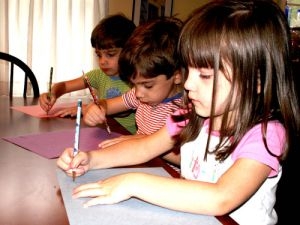 Discover how school readiness programs support children’s independence, confidence, and skills for a successful transition into primary school.
 When an Educator is not performing their tasks or responsibilities at best practice, these issues need to be addressed for the Educator to understand where
 Educators can maximise tax deductions by claiming classroom supplies, training, union fees, and home office costs this financial year.
 A staff appraisal is a formal, systematic process of determining and reviewing the performance of early childhood educators over a period of time, usually a