The myth of the perfect program: why flexibility, reflection, and child‑led learning matter more than flawless plans in early childhood.
In early childhood education, many educators feel pressured to design the “perfect program”—one that ticks every box, satisfies every standard, and impresses every parent. But perfection is a myth. Children’s learning is dynamic, unpredictable, and beautifully messy. Instead of chasing flawless programming, we can embrace flexibility, reflection, and authenticity.
The Pressure of Perfection
- Documentation overload — Educators often feel they must link every activity to EYLF outcomes.
- Compliance vs creativity — QA standards sometimes overshadow spontaneous play.
- Burnout risk — The pursuit of perfection drains energy and joy.
Example: An educator spends hours rewriting observations to “sound professional" but misses the chance to join in children’s play. The program looks polished on paper, but the real learning moments slip away.
Why Imperfection is Valuable
- Flexibility — Children’s interests shift daily; programs must adapt.
- Authenticity — Messy, unplanned learning moments are often the richest.
- Reflection over perfection — Programs should evolve through reflection, not flawless execution.
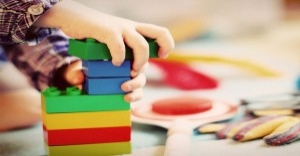
Example: A planned “shapes activity” turns into a spontaneous building challenge when children start stacking blocks. Instead of redirecting them back to the plan, the educator embraces the moment—linking it to problem‑solving and spatial awareness.
Strategies for Realistic Programming
- Plan loosely — Use broad themes (e.g., “Exploring Nature”) instead of rigid daily schedules.
- Build in flexibility — Leave space for spontaneous interests.
- Reflect weekly — Adjust based on what worked and what didn’t.
- Collaborate with children — Invite children to co‑create activities.
Tips & Hints for Educators
Keep documentation simple — Use templates that capture key learning without overcomplicating.
Focus on outcomes, not perfection — Ask: “Did children engage meaningfully?” rather than “Did I tick every box?”
Celebrate small wins — A child trying a new skill or showing curiosity is more valuable than a polished program.
Use peer reflection — Share programming struggles with colleagues; often, others feel the same pressure.
Link resources smartly — Pair articles with printables or templates to make programming easier.
Voices from the Sector
Educators often say their most powerful learning moments happen when plans don’t go as expected. A child’s fascination with a snail in the garden, or a group’s spontaneous role‑play, can spark deeper engagement than any pre‑planned activity.
The “perfect program” is a myth. What matters is a program that is responsive, reflective, and child‑centered. Imperfection isn’t failure—it's a sign of authenticity and growth.
Further Reading
EYLF Documentation Cheat Sheet for Educators
Step By Step Guide To EYLF Programming and Planning
The Planning Cycle To Document Children's Learning
5 Stages Of The EYLF Planning Cycle
The Cycle of Planning



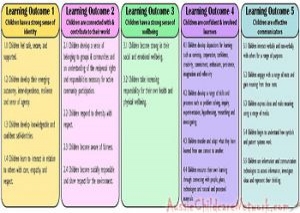 Here is the list of the EYLF Learning Outcomes that you can use as a guide or reference for your documentation and planning. The EYLF
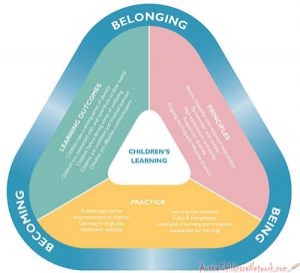 The EYLF is a guide which consists of Principles, Practices and 5 main Learning Outcomes along with each of their sub outcomes, based on identity,
 This is a guide on How to Write a Learning Story. It provides information on What Is A Learning Story, Writing A Learning Story, Sample
 One of the most important types of documentation methods that educators needs to be familiar with are “observations”. Observations are crucial for all early childhood
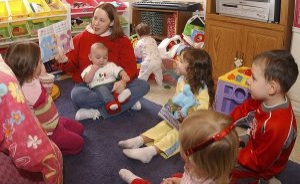 To support children achieve learning outcomes from the EYLF Framework, the following list gives educators examples of how to promote children's learning in each individual
 Reflective practice is learning from everyday situations and issues and concerns that arise which form part of our daily routine while working in an early
 When observing children, it's important that we use a range of different observation methods from running records, learning stories to photographs and work samples. Using
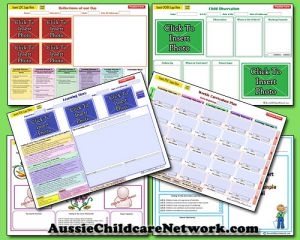 Within Australia, Programming and Planning is reflected and supported by the Early Years Learning Framework. Educators within early childhood settings, use the EYLF to guide
 This is a guide for educators on what to observe under each sub learning outcome from the EYLF Framework, when a child is engaged in
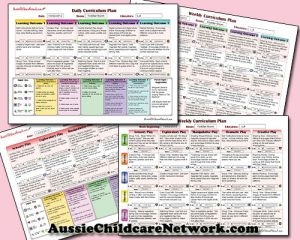 The Early Years Learning Framework describes the curriculum as “all the interactions, experiences, activities, routines and events, planned and unplanned, that occur in an environment