
Age-appropriate cooking is one of the most effective ways to instil healthy eating in children. They will be more open to eating nutritious foods and practise positive mealtime habits if they are involved in the making of such foods themselves. The following article provides strategies for engaging children in cooking in the early childcare setting.
Build It Around A Healthy Diet
Plan cooking activities around a well-balanced eating plan containing adequate amounts of fruits and vegetables. As far as possible include whole grains in place of refined ones when including starch and carbohydrates in the cooking activities.
Be Safe
While planning cooking activities, minimize hazards by using plastic boards and plastic knives for cutting. Other ideal equipment would include plastic measuring cups, stainless-steel or plastic bowls for mixing and plastic or wooden spoons for mixing. Above all, keep in mind, the allergies or dietary restrictions of your students so that they don’t touch or taste foods harmful to their constitution.
Include Play
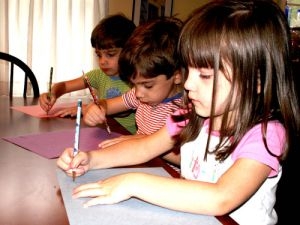
You have the best chances of engaging children in cooking if it is happening in a fun, positive environment. See that children have many opportunities to see, touch, smell, and taste the fruits and vegetables that you will be cooking with. You can engage them with activities like drawing and colouring the fruits at hand or plan a dollies’ tea party menu with the available ingredients. Discuss how the food was prepared. Ask the children about the ingredients, the recipe, the steps taken, and the utensils used. Such discussion will help students to engage with thoughts on what makes certain foods good for the body and how to make mealtimes a pleasant experience.
Vary The Cooking Process
Foster interest in cooking by including different processes like braising, roasting, and sauteeing. Invite them to explore the various textures and colours obtained by different cooking processes like a crisp outer texture on roasted potatoes as opposed to glossy carrots and peas when they are lightly sautéed. Likewise, explore making different types of dips and dressings not just to get children to enjoy eating salads but to explore different textures and consistencies.
Go With The Season
When planning cooking activities, choose produce that is locally available and seasonal rather than getting out-of-season, imported items from stores. Get children involved in the kitchen garden at the centre or take them to neighbourhood farms to see what is harvestable at that time of the year. Build further interest by choosing season-related cooking processes for example roasting cool season veggies like sweet potatoes and cauliflowers or rustling up salads and salsa with warm season fruits and veggies.
Model Tasting New Foods
A core aspect of positive eating practices is getting children to taste new foods. Model such foods yourself and follow it up making enthusiastic and positive comments about their taste and texture. Show children how to politely decline foods they don’t like by saying “no thank you” rather than using negative words like “yucky”.
Finally, wrap up a cooking activity by thanking the children for their care and attention in preparing the delicious food items. Showing appreciation will help children feel good about themselves and their food while ensuring higher motivation for such activities in the future.
Further Reading
Cooking Skills For Children 2 to 5 Years Old - The following article provides a list of cooking skills for children from 2 years to 5 years old.
Cooking With Kids - Easy Vegetarian Recipes - Cooking can help children learn and practice some basic math concepts and build language skills. Try out the following simple recipe that the children can help you with.
Growing An Edible Garden For Children - The following article Designing An Edible Garden, What To Plant In The Edible Garden, Edible Flowers, Herbs and Vegetables, Gardening Activities For Children and more.
Reference:
Childcare Centre Production Gardens, National Learning Initiative




 The Children’s Services Award introduces a streamlined classification system and updated pay rates designed to better recognise the skills, qualifications, and responsibilities of early childhood
 The Children’s Services Award has 8 clear levels. These levels make it easier to understand where you fit, based on your experience, qualifications, and responsibilities.
 When working as a qualified early childhood teacher (with a university degree) within a service, your rate of pay will come from the Educational Services
 Diploma-qualified educators play a vital role in early childhood services, taking on responsibilities that range from supporting children’s learning and development to leading rooms and
 Certificate III qualified educators form the backbone of early childhood services, providing essential care and learning support for children across all settings. Their wages under
 Early Childhood Teachers (ECTs) play a vital role in leading curriculum and pedagogy in early learning settings. Regulation 272 of the Education and Care Services
 Discover how school readiness programs support children’s independence, confidence, and skills for a successful transition into primary school.
 When an Educator is not performing their tasks or responsibilities at best practice, these issues need to be addressed for the Educator to understand where
 Educators can maximise tax deductions by claiming classroom supplies, training, union fees, and home office costs this financial year.
 A staff appraisal is a formal, systematic process of determining and reviewing the performance of early childhood educators over a period of time, usually a