Daily experience Journals are a cornerstone of communication between educators and families. They provide parents with a snapshot of what their children explored, learned, and enjoyed during the day. Yet, when working with a whole group, efficiency and clarity become essential.
Writing for the Whole Group
Instead of creating lengthy individual reports, educators can streamline the process by:
- Recording a group summary: Capture the shared experiences of the day—such as outdoor play, creative exploration, or group story time.
- Adding brief individual highlights: Note one meaningful observation per child, linked to the group activity. This balances personalization with efficiency.
- Using templates or tick boxes: Structured formats reduce writing time and ensure consistency.
This approach keeps journals professional, quick to complete, and still meaningful for families.
The goal isn’t to write more—it’s to communicate clearly and consistently. Parents value knowing their child’s well-being and highlights, not lengthy reports. Templates, checklists, and shared summaries make this process faster and more sustainable.
Alternative Options
Daily journals don’t always need to be text-heavy. Other documentation methods can be equally effective and engaging:
- Photos: A few images of children engaged in activities can communicate experiences more vividly than words.
- Floorbooks: Large, shared books where children’s work, photos, and group reflections are collected. These become collaborative records of learning journeys.
- Child’s Voice: Including children’s own words or comments about their day adds authenticity and helps parents hear their child’s perspective.
These alternatives often save time while offering richer, more engaging insights into children’s experiences.
Reflecting Without Daily Journals
Reflection doesn’t have to mean writing a formal daily report. Educators can reflect on the day’s experiences through:
- Group reflection with children: Circle time discussions where children share what they enjoyed.
- Photo documentation: Capturing key moments with captions.
- Floorbooks or learning walls: Collaborative displays of children’s work and comments.
- Educator notes: Quick bullet points for planning and professional growth.
- Weekly summaries: Highlighting the week’s experiences instead of daily detail.
These methods ensure experiences are noticed, valued, and used to inform future practice.
Are Daily Journals Necessary?
The necessity of daily journals depends on context:
- Not always required: In many regions, daily journals are not mandated by regulation. What is required is consistent documentation of learning and wellbeing.
- Valued by families: Parents often appreciate daily updates, but weekly summaries, digital platforms, or visual documentation can serve the same purpose.
- Balance matters: If daily journals become too time-consuming, they can detract from direct care. The goal is meaningful communication, not excessive paperwork.
Why They’re Valuable
- Parent Communication: Daily journals give families insight into their child’s meals, rest, activities, and wellbeing. Parents often feel reassured knowing what their child experienced during the day.
- Documentation: They serve as a record of the child’s development, routines, and milestones. This can be useful for both educators and parents when reflecting on progress.
- Professional Practice: Many childcare services use journals to demonstrate transparency and compliance with sector standards, showing that children’s needs are being observed and met.
Balancing Necessity
- Not legally required everywhere: In most regions, daily journals are not mandated by law. Instead, services are required to document learning and wellbeing in line with frameworks (like EYLF in Australia).
- Alternative formats: Some centres use weekly summaries, digital apps, or group reports instead of individual daily journals. The key is that communication is regular, clear, and meaningful.
- Efficiency matters: If daily journals become too time-consuming, they can detract from direct care. That’s why many educators streamline them with templates, tick boxes, or shared activity notes.
Daily journals are not always strictly necessary, but they are highly valued by families and often considered best practice. Whether daily, weekly, or digital, the goal is consistent communication that supports trust and partnership between educators and parents.
Documentation as Evidence
Regulatory frameworks (like EYLF and NQS in Australia) require educators to document children’s learning and well-being, but they don’t prescribe daily journals. Evidence can take many forms:
- Photos with captions
- Floorbooks and displays
- Child’s voice recordings or quotes
- Weekly reflections or educator notes
What matters is that documentation demonstrates children’s progress, informs planning, and communicates meaningfully with families.
Writing daily experience journals for the whole group can be efficient when educators use group summaries, quick highlights, and structured templates. At the same time, alternatives such as photos, floorbooks, and children’s voices offer creative, time-saving ways to document experiences. Reflection doesn’t always require a daily journal—educators can use collaborative, visual, or weekly methods to capture learning. Ultimately, daily journals are not always strictly necessary—the priority is clear, consistent communication that strengthens the partnership between educators and families while meeting documentation requirements in flexible, meaningful ways.



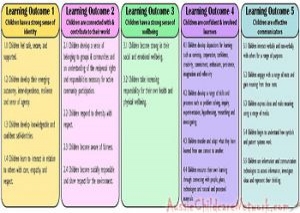 Here is the list of the EYLF Learning Outcomes that you can use as a guide or reference for your documentation and planning. The EYLF
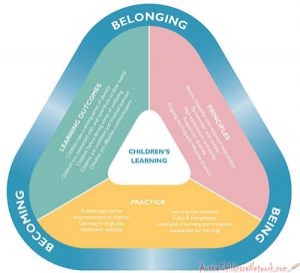 The EYLF is a guide which consists of Principles, Practices and 5 main Learning Outcomes along with each of their sub outcomes, based on identity,
 This is a guide on How to Write a Learning Story. It provides information on What Is A Learning Story, Writing A Learning Story, Sample
 One of the most important types of documentation methods that educators needs to be familiar with are “observations”. Observations are crucial for all early childhood
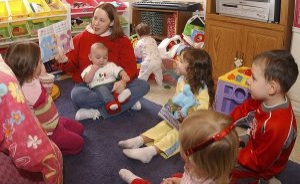 To support children achieve learning outcomes from the EYLF Framework, the following list gives educators examples of how to promote children's learning in each individual
 Reflective practice is learning from everyday situations and issues and concerns that arise which form part of our daily routine while working in an early
 When observing children, it's important that we use a range of different observation methods from running records, learning stories to photographs and work samples. Using
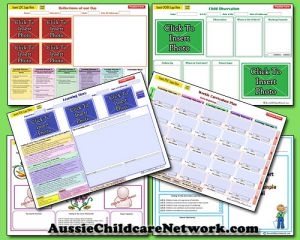 Within Australia, Programming and Planning is reflected and supported by the Early Years Learning Framework. Educators within early childhood settings, use the EYLF to guide
 This is a guide for educators on what to observe under each sub learning outcome from the EYLF Framework, when a child is engaged in
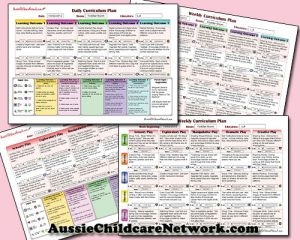 The Early Years Learning Framework describes the curriculum as “all the interactions, experiences, activities, routines and events, planned and unplanned, that occur in an environment