Extend children’s interest in K‑POP Demon Hunters through music, play, arts, and storytelling that foster creativity, teamwork, and learning.
Children’s fascination with contemporary media such as K‑POP Demon Hunters provides educators with a unique opportunity to connect learning experiences to their passions. By embedding this interest into play, arts, and structured activities, educators can foster creativity, collaboration, and resilience across both preschool and OOSH contexts.
For Preschoolers
Music & Movement
- Dance exploration: Simple, repetitive moves (clap, stomp, spin) linked to “idol hunter” themes.
- Beat games: Use drums or clapping to create “battle rhythms".
- Song adaptation: Familiar tunes reimagined with hero lyrics.
Dramatic Play
- Hero role play: Props like microphones, capes, or masks for imaginative play.
- Storytelling circles: Children narrate short adventures of their idol hunters.
- Puppet theatre: Simple puppets act out idol vs. demon quests.
Creative Arts
- Costume crafts: Paper crowns, vests, decorated with glitter and stickers.
- Drawing heroes: Sketching favorite characters or inventing new ones.
- Collage posters: Magazine cutouts and colored paper for “concert missions.”
Social & Emotional Learning
- Team missions: Group activities framed as “missions” requiring cooperation.
- Bravery discussions: Talking about courage and kindness in everyday preschool life.
- Friendship songs: Singing together about empathy and support.
Literacy & Language
- Fantasy picture books: Linking simple stories to idol hunter themes.
- Label play: Adding words like "hero", "friend", and “music” to drawings.
- Story sequencing: Using image cards to retell simple plots.
For OSHC Children
Music & Performance
- Choreography workshops: Older children can design and rehearse their own idol‑hunter dance routines, focusing on teamwork and stage presence.
- Songwriting projects: Encourage them to write lyrics about courage, friendship, or overcoming challenges, linking literacy with creative expression.
- Talent showcases: Organise mini concerts where children perform their routines or songs.
Storytelling & Creative Writing
- Character backstories: Children create detailed profiles for their demon hunter idols, blending fantasy powers with personality traits.
- Comic creation: Support them in writing and illustrating short comics or manga‑style strips.
- Collaborative scripts: Groups can draft short plays or skits to act out.
Arts & Digital Design
- Costume design: Sketching or crafting fusion outfits that mix K‑pop fashion with fantasy armour.
- Poster design: Using digital tools or collage to create promotional artwork for their “idol hunter concerts".
- Digital avatars: Explore apps to design characters and share them in group projects.
Social & Emotional Learning
- Team missions: Frame group challenges (escape rooms, scavenger hunts) as “idol hunter quests".
- Resilience themes: Discuss how idols train and hunters persevere, linking to real‑life school challenges.
- Peer mentoring: Older children guide younger peers in dance or art, reinforcing leadership.
Literacy & Knowledge Extension
- Research projects: Explore real K‑pop culture, history, and global influence.
- Creative journaling: Encourage reflective writing about their “idol hunter adventures".
- Presentation skills: Children present their projects to peers, building confidence.
By extending children’s interest in K‑POP Demon Hunters, educators can transform pop culture enthusiasm into meaningful learning opportunities. Whether through preschool play or OOSH projects, this approach validates children’s passions while embedding developmental outcomes across creativity, literacy, and social‑emotional growth.



 Open ended questions cannot be responded to with one word answers such as yes or no. These types of questions enables a child to provide
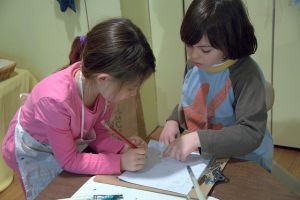 During your child’s preschool years, an important milestone begins to emerge. This is the development of pre-writing skills. Pre-writing skills are used to encourage, develop
 An Acknowledgment of the Country is a way of showing respect for the Traditional Owners and can be given by both non-Indigenous people and Aboriginal
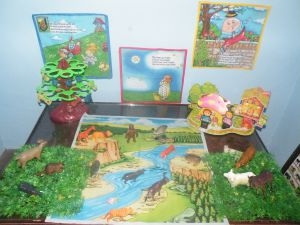 Open ended materials enables children to play freely. They are objects that have no rules to follow, use or function. Raw materials that can be
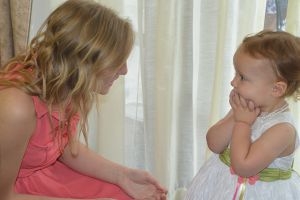 Language plays an important role in a child’s development. It enables a child to communicate effectively with their family, learn at school, socialize with friends,
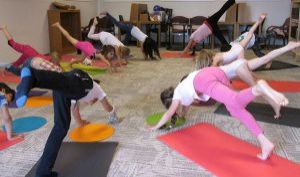 Like adults, children have to deal with their own stress in life. Moving house, starting a new school, preparing for a new sibling - these are
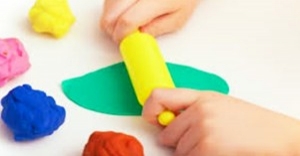 Playdough is such a versatile material. It provides numerous benefits to children as they manipulate it, it is safe and soothing and provides children with
 Teaching children about sustainability enables them to appreciate and respect the natural environment. Early childhood services can provide meaningful hand on learning experiences in order
 Recycling is an important concept that teaches children to care for the environment. It encourages children to be responsible and show a growing appreciating for
 Incursions provide children with the opportunity to explore meaningful learning experiences in the comfort of their early childhood service. The following provides a directory of