


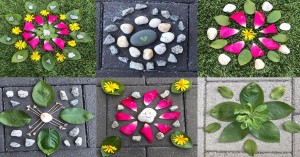
Mandala is an ancient art that originated in India and now is being used more in Tibet. They have of course gained popularity over a period of time and now they are being incorporated in various ways. So why not we also give it a try with our tiny tots. It’s a very complicated art form that involves a lot of intricacies but here we will be making it simple with objects collected in nature.
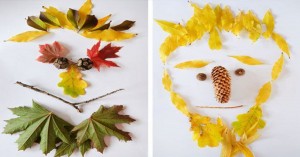
Go nature hunting with children and let them search for various objects in nature.. Make them collect as much natural objects as they can. With their collection children will be making nature people with the items they have collected. Apart from this, they will be learning a lot about their own family and parts of their face.
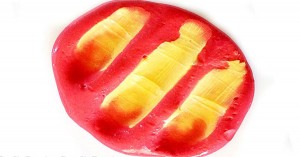
This colour changing slime is simply a wow experiment. Children will be preparing the slime right from scratch. And we will be adding a secret ingredient into the slime to make it heat sensitive colour changing slime. The ingredient used for this purpose is called thermochromic pigment. Thermochromic materials change colours when there is a change in temperature. Children will also easily learn a lot about hot, cold and temperature changes through this.
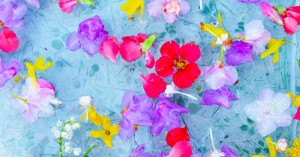
Water play is always engaging and soothing for kids. This particular play can be done when the spring is in the air. To start the activity, you could send the children to collect fallen flowers from the garden. Add water to a tub and put the flower petals inside. This experience appeals to all senses and will help soothe children if they tend to lose their calm, get bored, frustrated and agitated. This sensory play activity does wonders to children, right from learning about flowers to creating their own sensory water tub and then having some imaginative play.
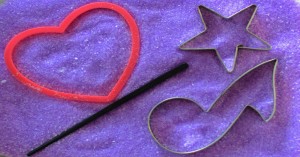
Most of the children lose their calm easily and at the same time if we take necessary steps to cool and soothe them, they also tend to forget the incident at once. They just need a diversion at that particular moment and we also need to ensure that we divert their minds in a fruitful and beneficial way. We need to make them do something constructive such as this calming tray, apart from giving a soothing and relaxing effect proves to be a great sensory activity too.
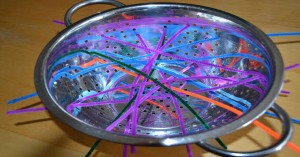
This colander activity is simple it’s an engaging activity and children get engrossed in it. This improves their fine motor skills and the children learn to use their action fingers in an efficient manner. Thus it also contributes to their pencil grasping skills. With the help of such activities children learn to get a static tripod grasp.
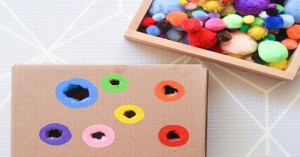
This is a simple activity that’s very important for children to develop their grasping skills. A child ought to learn and bring into practice the correct form and pattern of grasping a pencil for their future. This needs to be cultivated in the child right from the beginning stage. It could be anything right from picking up big objects like a teddy bear to picking up a tiny object such as a seed. We need to strengthen the hand muscles of a child, which this activity assists the child to do.
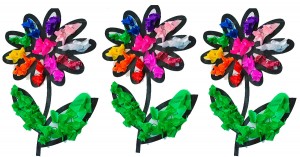
This is a great activity that can be made simply with paper. It’s an excellent activity to teach the tripod grasp to the kids. The tripod grasp involves the action fingers alone i.e. the thumb, the pointer and the middle fingers.
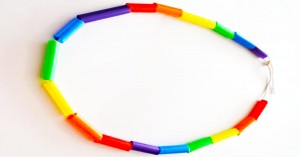
Through this experience children are going to explore their imagination skills by making accessories like bracelets, necklaces anklets. All this they are going to do with pieces of straw. This will be working on their hand-eye coordination and cognitive skills as well.
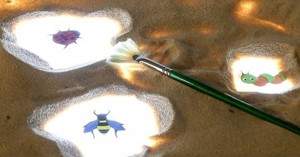
This is a simple and fun activity for children to track Australian animals.
 The Children’s Services Award introduces a streamlined classification system and updated pay rates designed to better recognise the skills, qualifications, and responsibilities of early childhood… Read More
 Children need safe and positive environments to learn and grow. To ensure this, services and educators need to ensure effective supervision at all times. The… Read More
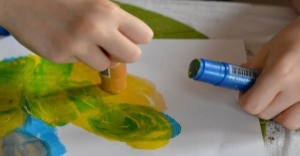 Floorbook is a documentation approach that uses a large book with blank pages for children to record different aspects of their learning in small groups… Read More
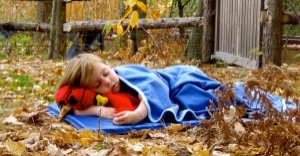 In Norway and most other Scandinavian countries, children nap in the outdoors. According, to research outdoor sleeping not only promotes better daytime sleeping, but it… Read More
 Nature programs in early childhood settings are a fantastic way to connect children with the natural world and promote holistic development. The following article provides… Read More
 Schemas are patterns of repeated behavior that allow children to explore and express developing ideas and thoughts through their play and exploration. The following article… Read More
 From 2026, every educator covered by the Children’s Services Award will move into a new, simplified classification structure. Instead of navigating 30 different levels, educators… Read More
 The following article lists 30 art and craft descriptions and links to the EYLF. These can be used as a blurb, during observations, used for… Read More
 Positive phrases play a crucial role in children's growth because they help nurture their emotional, social, and cognitive development. The following article lists 30 positive… Read More
 From the earliest months of life, babies thrive when given opportunities to experience the outdoors. Nature is not just a backdrop for play—it is a… Read More
Symbolic or dramatic play is one of the key play phases outlined by developmental psychologists...
See more...
Play is a crucial part of a child's development, and indoor activities can be just...
See more...
Anxiety and fear are natural parts of growing up. They often indicate that children are...
See more...