A clear, practical EYLF Outcome 1 cheat sheet for educators, with examples, observation wording, and strategies to document children’s identity, belonging, autonomy, emotional well-being, and respectful relationships across daily routines.
Outcome 1 is the foundation of early childhood learning; everything else grows from here. It focuses on children’s identity: how they see themselves, how safe and supported they feel, and how they relate to others. When children experience belonging, security, autonomy, emotional well-being, and respectful relationships, they develop the confidence and resilience needed for all future learning.
This cheat sheet gives educators a practical, easy‑to‑use guide to understanding, observing, and documenting Outcome 1 across everyday routines. With clear indicators, real-world examples, and ready‑to‑use documentation prompts, educators can capture meaningful learning without unnecessary paperwork.
What Outcome 1 Is About
Outcome 1 focuses on identity: how children see themselves, feel about themselves, and connect with others.
It includes:
- Belonging
- Security & attachment
- Autonomy & agency
- Emotional wellbeing
- Empathy, care & respect
Outcome 1 is the foundation for all other learning.
Outcome 1.1—Children Feel Safe, Secure and Supported
What It Means
Children develop trust, confidence, and emotional security through warm, consistent relationships.
What It Looks Like
- Seeks comfort from familiar educators
- Settles with predictable routines
- Explores confidently when supported
- Shows trust through eye contact, gestures, or proximity
- Returns to educator for reassurance
Practical Examples
- Baby relaxes into a familiar educator’s arms
- Toddler checks in visually before climbing
- Preschooler asks for help when frustrated
Educator Strategies
- Responsive caregiving
- Co‑regulation
- Predictable routines
- Cultural and emotional safety
Documentation Prompts
- How did the child show trust or security?
- What helped them feel safe?
- How did the educator respond?
Sample Observation Wording
- “Sought comfort after a loud noise and settled quickly with reassurance.”
- “Stayed close during outdoor play, showing a need for proximity.”
Outcome 1.2—Children Develop Their Emerging Autonomy
What It Means
Children make choices, act independently, and develop confidence in their abilities.
What It Looks Like
- Chooses materials or activities
- Attempts tasks independently
- Expresses preferences
- Persists through challenges
Practical Examples
- Toddler chooses between two snack options
- Preschoolers set up their own art space
- Baby reaches for a preferred toy
Educator Strategies
- Offer meaningful choices
- Provide child‑sized tools
- Encourage problem-solving
- Use autonomy‑supportive language
Documentation Prompts
- What choices did the child make?
- How did they show independence?
- What challenges did they attempt?
Sample Observation Wording
- “Choose the watercolour paints and set up independently.”
- “Persisted with threading, trying different strategies.”
Outcome 1.3—Children Develop Strong Social and Emotional Wellbeing
What It Means
Children understand emotions, build resilience, and develop self-regulation.
What It Looks Like
- Names emotions
- Uses calming strategies
- Shows empathy
- Recovers from frustration
Practical Examples
- Child uses deep breaths after co‑regulation
- Toddlers use gestures to express needs
- Preschooler re‑joins play after disappointment
Educator Strategies
- Co‑regulation
- Emotional vocabulary
- Predictable routines
- Warm, responsive relationships
Documentation Prompts
- How did the child manage emotions?
- What strategies did they use?
- How did the educator support them?
Sample Observation Wording
- “Used a breathing strategy to calm down after frustration.”
- “Identified feeling ‘angry’ and asked for help.”
Outcome 1.4 – Children Interact with Care, Empathy and Respect
What It Means
Children develop prosocial behaviours and respectful interactions.
What It Looks Like
- Helps peers
- Shares and cooperates
- Comforts others
- Respects differences
Practical Examples
- Child offers a peer a turn
- Toddler pats a friend gently when upset
- Preschooler helps pack away shared materials
Educator Strategies
- Model empathy
- Support conflict resolution
- Use inclusive language
- Promote cooperative play
Documentation Prompts
- How did the child show empathy?
- How did they respond to others’ feelings?
- How did they demonstrate respect?
Sample Observation Wording
- “Offered blocks to a peer, showing cooperation.”
- “Comforted a friend by sitting beside them.”
Outcome 1: Across Daily Routines
| Routine | Outcome 1 Focus |
|---|---|
| Arrival | Belonging, security (1.1) |
| Mealtimes | Autonomy, independence (1.2) |
| Rest Time | Emotional wellbeing (1.3) |
| Transitions | Confidence, resilience (1.3) |
| Pack-Away | Cooperation, respect (1.4) |
Outcome 1 Keywords for Documentation
Use these to strengthen your links:
- Belonging
- Agency
- Independence
- Emotional regulation
- Resilience
- Empathy
- Cooperation
- Respect
- Secure relationships
- Confidence
- Identity
Outcome 1: Quick Linking Phrases
For 1.1
- “Shows trust in familiar educators…”
- “Seeks comfort and reassurance…”
For 1.2
- “Made an independent choice to…”
- “Persisted with a challenging task…”
For 1.3
- “Used strategies to manage emotions…”
- “Expressed feelings appropriately…”
For 1.4
- “Demonstrated empathy by…”
- “Cooperated respectfully with peers…”
Further Reading
Free EYLF Version 2.0 Posters and Cheat Sheets
EYLF Principles & Practices Cheat Sheet
Summative Assessment Cheat Sheet For Educators
Early Childhood Theory Cheat Sheet For Documentation
EYLF Outcome 1.1 – Children Feel Safe, Secure and Supported
EYLF Learning Outcomes Version 2.0
Version 2.0 EYLF Outcome 1
Practical Examples Of EYLF Outcomes
Incorporating Creative Play In The EYLF Learning Outcomes
Activity Ideas To Promote EYLF Outcome 1
Understanding EYLF Outcome 1
EYLF Outcome 1 In Simplified Language


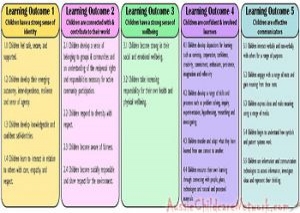 Here is the list of the EYLF Learning Outcomes that you can use as a guide or reference for your documentation and planning. The EYLF
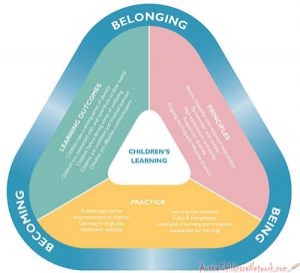 The EYLF is a guide which consists of Principles, Practices and 5 main Learning Outcomes along with each of their sub outcomes, based on identity,
 This is a guide on How to Write a Learning Story. It provides information on What Is A Learning Story, Writing A Learning Story, Sample
 One of the most important types of documentation methods that educators needs to be familiar with are “observations”. Observations are crucial for all early childhood
 To support children achieve learning outcomes from the EYLF Framework, the following list gives educators examples of how to promote children's learning in each individual
 Reflective practice is learning from everyday situations and issues and concerns that arise which form part of our daily routine while working in an early
 When observing children, it's important that we use a range of different observation methods from running records, learning stories to photographs and work samples. Using
 Within Australia, Programming and Planning is reflected and supported by the Early Years Learning Framework. Educators within early childhood settings, use the EYLF to guide
 This is a guide for educators on what to observe under each sub learning outcome from the EYLF Framework, when a child is engaged in
 The Early Years Learning Framework describes the curriculum as “all the interactions, experiences, activities, routines and events, planned and unplanned, that occur in an environment