A practical guide filled with creative, meaningful sustainability ideas for early childhood services. Explore simple, engaging ways to embed environmental responsibility into daily practice, play, and curriculum.
Sustainability in early childhood isn’t just about recycling bins and worm farms—it’s about nurturing a culture of care, curiosity, and responsibility. When children experience sustainable practices woven naturally into their day, they learn that their choices matter and that they are active contributors to their world. Early childhood services are uniquely placed to model these habits through playful, creative, and meaningful experiences that build lifelong environmental awareness. From reimagining loose parts to embedding First Nations perspectives, sustainability becomes a living, breathing part of the curriculum—not an add‑on, but a way of being together.
1. “Eco-Ambassadors” Among Children
- Create a rotating role where children act as eco-ambassadors for the day.
- Their job: remind peers to turn off lights, conserve water, and sort waste.
- This builds leadership skills and embeds sustainability into peer culture.
2. Food Scraps to Garden Gold
- Set up a worm farm or compost station where children can add food scraps.
- Link it to science learning: observe decomposition, measure soil changes, and use compost in the centre’s garden.
- Children see a closed-loop system in action.
3. Sustainable Art Studio
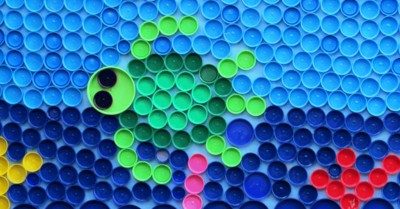
- Replace single-use craft supplies with “found materials” stations: bottle tops, fabric scraps, cardboard rolls.
- Encourage children to design projects from these materials, fostering creativity and problem-solving.
- Display art with labels explaining the sustainability story behind each piece.
4. Water Detectives
- Give children simple tools (magnifying glasses, spray bottles) to explore water use.
- Encourage them to identify leaks, drips, or wasteful practices in the centre.
- Celebrate their findings with a “Water Saver Award.”
5. Cultural Sustainability
- Invite families to share sustainable practices from their cultural traditions (e.g., reusing cloths, natural cleaning methods, food preservation).
- This promotes diversity and inclusion while broadening children’s understanding of sustainability.
6. Mini Urban Forest
- Instead of just a veggie patch, create a mini urban forest corner with native plants.
- Children can help plant, water, and observe wildlife (birds, insects) that visit.
- This fosters biodiversity awareness and a sense of stewardship.
7. Sustainability Storytelling
- Develop a “Green Library” with books about nature, conservation, and eco-heroes.
- Pair storytelling with hands-on activities (e.g., after reading about oceans, children clean up a sandpit “beach”).
- Connect literacy with action.
8. Toy & Clothing Swap Days
- Organize regular swap events where families exchange toys, clothes, or books.
- This reduces consumption and teaches children about sharing and reusing.
- Children can help set up and “shop” for items, making it fun and community-driven.
9. Pollinator Projects
- Build butterfly gardens with children.
- Teach them about pollinators’ role in food systems.
- This links sustainability with science and environmental education.
10. Sustainability Reflection Wall
- Create a wall where staff and children can post weekly reflections:
- “What sustainable action did we do today?”
- “What can we improve next week?”
- Encourages critical reflection and embeds sustainability into the centre’s culture.
11. Resource Rescue Stations
- A designated space where children and educators place materials that would otherwise be discarded but can be reused for play, art, or construction.
12. Book Hospital
- A special corner or box where damaged books are placed for “treatment.”
13. Loose Parts Play Stations
- Collect safe “junk” materials (bottle caps, corks, cardboard tubes, fabric scraps).
- Children use them for open-ended play: building, sorting, storytelling.
- Encourages imagination, problem-solving, and resourcefulness.
14. Cardboard Construction Zone
- Large boxes become cubbies, cars, or castles.
- Smaller boxes can be cut into puzzles or used for art canvases.
- Teaches children that packaging has a second life.
15. Fabric & Clothing Repurpose
- Old clothes or fabric scraps become dress-ups, puppet theatre curtains, or weaving materials.
- Children learn about textile waste reduction and creative expression.
16.. Upcycled Gardening
- Use milk cartons, tin cans, or plastic bottles as planters.
- Children decorate them and plant herbs or flowers.
- Links recycling with nature care and science learning.
17. Recycled Sensory Play
- Fill tubs with safe recycled materials (shredded paper, fabric offcuts, clean lids).
- Children explore textures, sounds, and patterns.
- Builds sensory awareness while reusing resources.
18. Paper Rescue Station
- Create a “half-used paper” box for drawing, collaging, or origami.
- Children learn that paper doesn’t need to be wasted after one use.
19. Puzzle & Toy Repair Workshop
- Broken puzzles or toys are fixed with children’s help.
- Teaches care, patience, and respect for belongings.
- Mirrors the idea of a “Book Hospital” but for toys.
20. Nature + Reuse Projects
- Combine natural and recycled materials:
- Pinecones + fabric scraps = festive decorations.
- Sticks + cardboard = mini bridges or sculptures.
- Builds connection between environment and creativity.
21. Recycled Art Gallery
- Display children’s creations made from reused materials.
- Add labels explaining what was reused and why.
- Promotes pride and awareness of sustainability.
22. Storytelling with Recycled Props
- Children use recycled items as props in dramatic play.
- Example: a cardboard tube becomes a telescope, and a lid becomes a steering wheel.
- Encourages symbolic thinking and narrative skills.
23. Slow Toy Movement
- Introduce natural, handmade, or upcycled toys instead of mass-produced plastic.
- Children learn to value quality and longevity over disposability.
- Families can be invited to contribute homemade toys or swap gently used ones.
24. Solar-Powered Play
- Install small solar-powered lights or fountains in outdoor play areas.
- Children see renewable energy in action and learn about clean power sources.
- Pair with simple experiments (e.g., solar ovens for melting chocolate or warming water).
25. Juice Box Engineering
- Collect empty juice boxes or cartons and turn them into building blocks.
- Children can construct towers, bridges, or even “mini cities.”
- Encourages STEM learning while reusing packaging.
26. Nature Toolkits
- Provide baskets of fallen sticks, seed pods, shells, and stones for play.
- Children use them for counting, sorting, art, or imaginative play.
- Reinforces the idea that nature itself is a resource.
27. Community Recycling Hub
- Partner with families to collect items like batteries, e-waste, or textiles.
- The centre becomes a drop-off point, teaching children about community responsibility.
- Children can help sort and learn where materials go next.
28. Mini Chicken Coop or Pet Project
- If space allows, keep a few chickens or small animals responsibly.
- Children learn about food cycles, waste reduction (food scraps), and animal care.
- Eggs or composted bedding can be used in the centre’s garden.
29. Recycled Music Studio
- Create instruments from reused materials:
- Tin can drums
- Bottle-cap shakers
- Cardboard guitars
- Children explore sound, rhythm, and creativity while learning about reuse.
30. Sustainability Story Wall
- Dedicate a wall or board to children’s sustainability stories.
- Each week, children share how they reused something at home or in the centre.
- Builds reflection, pride, and awareness of sustainable actions.
These ideas show that sustainability in childcare can be hands-on, playful, and deeply educational. Embedding reuse and recycling in early childhood education is about more than reducing waste; it’s about teaching children creativity, responsibility, and environmental care. By turning everyday “rubbish” into resources, educators model sustainable habits and inspire children to see value in the world around them.
Further Reading
Sustainability Practices in Childcare
Sustainability Ideas For Early Childhood Services
Teaching Children About Sustainability
List Of Reflection Questions For Embedding Sustainability
Sustainability Activities For Toddlers and Preschoolers
Hands-on Sustainability Projects For Kids
Outdoor Experiences in Sustainability




 The Children’s Services Award introduces a streamlined classification system and updated pay rates designed to better recognise the skills, qualifications, and responsibilities of early childhood
 The Children’s Services Award has 8 clear levels. These levels make it easier to understand where you fit, based on your experience, qualifications, and responsibilities.
 When working as a qualified early childhood teacher (with a university degree) within a service, your rate of pay will come from the Educational Services
 Diploma-qualified educators play a vital role in early childhood services, taking on responsibilities that range from supporting children’s learning and development to leading rooms and
 Certificate III qualified educators form the backbone of early childhood services, providing essential care and learning support for children across all settings. Their wages under
 Early Childhood Teachers (ECTs) play a vital role in leading curriculum and pedagogy in early learning settings. Regulation 272 of the Education and Care Services
 Discover how school readiness programs support children’s independence, confidence, and skills for a successful transition into primary school.
 When an Educator is not performing their tasks or responsibilities at best practice, these issues need to be addressed for the Educator to understand where
 Educators can maximise tax deductions by claiming classroom supplies, training, union fees, and home office costs this financial year.
 A staff appraisal is a formal, systematic process of determining and reviewing the performance of early childhood educators over a period of time, usually a