At the end of 2026, the early childhood sector is still waiting for ratio reform. Despite years of advocacy, despite mounting evidence, and despite repeated calls from educators, families, and sector leaders, ratios remain unchanged. Everything else seems to be happening—new frameworks, reporting requirements, compliance checks—but the most fundamental safeguard, the number of adults available to protect and nurture children, is still overlooked.
Recent data from the Productivity Commission shows that serious incidents in childcare services have hit a record high, with 160 incidents per 100 services in 2024/25—the highest level since reporting began in 2016/17. These include injuries, illnesses, instances of children being locked in or out, and even deaths in centres across Victoria and NSW.
It is impossible to ignore the connection: when ratios are stretched, supervision suffers. When supervision suffers, children are at risk. The sector has long warned that inadequate ratios compromise safety, yet policymakers continue to delay reform. Last year’s child abuse cases should have been the turning point. They should have been the moment when governments acted decisively to lower ratios and restore trust. Instead, we are entering another year with no change.
The question is stark: what more needs to happen before ratios are taken seriously? How many more incidents, how many more headlines, how many more families devastated? Ratios are not a technicality—they are the frontline of protection. Without reform, we are asking educators to do the impossible, and children are paying the price.
The sector cannot afford another year of waiting. Ratio reform should already have been implemented. Every delay is another risk, another incident, another failure to safeguard the most vulnerable members of our community. If governments are serious about child safety, then ratio reform must be the priority—not next year, not after another inquiry, but now.
Further Reading
Opinion: Are Current Childcare Staffing Ratios Enough
Opinion: Should the “Under the Roof” Staffing Loophole Be Closed
Ratios and Burnout: The Hidden Cost of “Minimum Standards”
Educator To Child Ratio Posters
Q: Am I In Ratio If I Am Completing Other Tasks Within The Room?
Educator-to-Child Ratios: A System Built for Profit, Not Quality Care
Mixed Age Ratios In An Early Childhood Service
Under the Roof Ratios
Educator To Child Ratio Calculator
Implementing Under The Roof Ratios
Educator-to-Child Ratios In Early Childhood Services
NSW Staff Ratios and Adequate Supervision
Safe Ratio Recommendations In Early Childhood
Critical Reflection Questions For Ratio
Opinion: End of 2026, Still No Ratio Reform: How Long Can the Sector Be Ignored?



 The Children’s Services Award introduces a streamlined classification system and updated pay rates designed to better recognise the skills, qualifications, and responsibilities of early childhood
 The Children’s Services Award has 8 clear levels. These levels make it easier to understand where you fit, based on your experience, qualifications, and responsibilities.
 When working as a qualified early childhood teacher (with a university degree) within a service, your rate of pay will come from the Educational Services
 Diploma-qualified educators play a vital role in early childhood services, taking on responsibilities that range from supporting children’s learning and development to leading rooms and
 Certificate III qualified educators form the backbone of early childhood services, providing essential care and learning support for children across all settings. Their wages under
 Early Childhood Teachers (ECTs) play a vital role in leading curriculum and pedagogy in early learning settings. Regulation 272 of the Education and Care Services
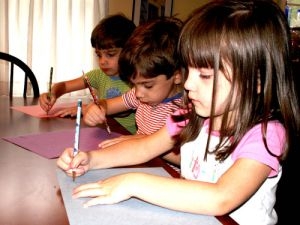 Discover how school readiness programs support children’s independence, confidence, and skills for a successful transition into primary school.
 When an Educator is not performing their tasks or responsibilities at best practice, these issues need to be addressed for the Educator to understand where
 Educators can maximise tax deductions by claiming classroom supplies, training, union fees, and home office costs this financial year.
 A staff appraisal is a formal, systematic process of determining and reviewing the performance of early childhood educators over a period of time, usually a