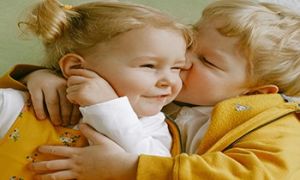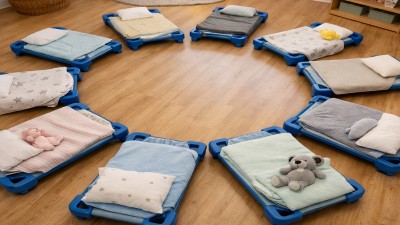
Arranging beds in a circle builds security, connection, and compliance during rest, supporting children’s wellbeing.
Sleep circles are not just about calming rituals, they also involve a deliberate physical arrangement. Instead of placing beds or mats randomly around the room, educators set them in a circle or consistent orientation. This layout creates a sense of community, ensures children feel included, and makes supervision easier. It also supports best practice by reducing distractions, promoting security, and allowing educators to manage spacing for health and safety.
Why Sleep Circles Matter in Early Childhood
-
Sense of security: Predictable, gentle rituals reduce anxiety and help children feel safe.
-
Connection: Sharing stories or songs fosters belonging and strengthens peer and educator relationships.
-
Relaxation: Activities like breathing exercises or soft music signal the body to wind down.
-
Wellbeing: Promotes emotional regulation, mindfulness, and healthy rest habits.
Theoretical Foundations
Sleep circles are grounded in several well-established frameworks:
-
Attachment theory: Predictable, nurturing routines build a sense of security.
-
Sociocultural theory: Shared rituals are social learning opportunities.
-
Ecological systems theory: The sleep environment directly influences wellbeing.
-
Oxanda philosophy: Embeds sleep circles within the mission of Igniting the Spirit of Learning, emphasising collaboration WITH children, families, teams, and community.
Practical Strategies for Educators
-
Quiet area setup: Low lighting, minimal noise, comfortable furnishings.
-
Spacing children: Spread out mats/cots to reduce distraction and illness risk.
-
Head-to-toe orientation: Alternating positions reduces face-to-face proximity and droplet spread.
-
Storytelling: Gentle narratives calm rather than excite.
-
Breathing exercises: Simple techniques like “smell the flower, blow the candle.”
-
Comfort items: Blankets or soft toys reinforce security.
-
Consistent timing: Predictable routines build trust.
Evidence-Based Data
While “sleep circles” as a term isn’t widely studied, their core elements are evidence-based:
-
Structured routines improve sleep quality (randomised control trials).
-
Quiet environments and reduced stimulation support longer rest (systematic reviews).
-
Child participation in rituals enhances emotional regulation (scoping reviews).
NSW Compliance Requirements
-
Regulation 84A–84D: Services must meet children’s sleep/rest needs, conduct risk assessments, and use safe equipment.
-
Spacing guidance: No fixed centimetre rule, but services must show risk management through head-to-toe orientation, adequate ventilation, and individual bedding.
-
Supervision: Regular checks (often every 10 minutes) must be documented.
-
Quality Area 2 & 5: Sleep circles align with health/safety and respectful relationships standards.
Sleep circles are a philosophically grounded, evidence-based, and regulation-compliant practice. By combining thoughtful room setup, gentle rituals, and compliance measures, educators create a nurturing environment that supports children’s wellbeing and models healthy rest habits.
"This article was inspired by a post from Bluebird Early Education Cardiff (25 June 2026)".
Further Reading
Balancing A Child's Sleep Needs and Parental Preferences In Early Childhood Settings
Daytime Naps Influence A Child’s Literacy Skills


 The Children’s Services Award introduces a streamlined classification system and updated pay rates designed to better recognise the skills, qualifications, and responsibilities of early childhood
 The Children’s Services Award has 8 clear levels. These levels make it easier to understand where you fit, based on your experience, qualifications, and responsibilities.
 When working as a qualified early childhood teacher (with a university degree) within a service, your rate of pay will come from the Educational Services
 Diploma-qualified educators play a vital role in early childhood services, taking on responsibilities that range from supporting children’s learning and development to leading rooms and
 Certificate III qualified educators form the backbone of early childhood services, providing essential care and learning support for children across all settings. Their wages under
 Early Childhood Teachers (ECTs) play a vital role in leading curriculum and pedagogy in early learning settings. Regulation 272 of the Education and Care Services
 Discover how school readiness programs support children’s independence, confidence, and skills for a successful transition into primary school.
 When an Educator is not performing their tasks or responsibilities at best practice, these issues need to be addressed for the Educator to understand where
 Educators can maximise tax deductions by claiming classroom supplies, training, union fees, and home office costs this financial year.
 A staff appraisal is a formal, systematic process of determining and reviewing the performance of early childhood educators over a period of time, usually a