


A QIP display board in an early learning service is a fantastic way to make your continuous improvement journey visible, engaging, and collaborative. It helps educators, families, and even children see what the service is working on, why it matters, and how progress is being tracked.

Critical reflection is more than “thinking back” on what we do each day. It’s a deliberate process of questioning assumptions, evaluating decisions, and considering multiple perspectives. For educators, this practice is central to ensuring that programs are not only meaningful for children but also compliant with sector standards.

Every child’s learning journey is unique, shaped by their interests, strengths, and cultural identity. The EYLF places strong emphasis on documenting children’s goals and critically reflecting on them as part of a continuous cycle of planning. This process is not just about compliance; it’s about making learning visible, ensuring children’s voices are heard, and engaging families as partners in their child’s development.
By setting clear, individualised goals and revisiting them regularly, educators can celebrate progress, identify emerging needs, and adapt strategies to support each child’s growth. Whether reviewed half-yearly, yearly, or through ongoing reflection, documenting and evaluating goals helps services demonstrate quality practice and align with the principles, practices, and outcomes of EYLF.

Portfolios in childcare are living records of children’s learning journeys. They capture growth, creativity, and identity while serving as evidence for compliance with the EYLF and NQS. More than folders of artwork, they are storytelling tools that celebrate belonging, being, and becoming.

Critical reflection is more than just “thinking back” on what happened in your classroom. It’s about questioning assumptions, exploring values, and considering the broader influences that shape practice. Embedding it into daily routines helps educators move beyond surface‑level reflection and create meaningful, transformative change.

Reflection and critical reflection are both essential practices in education. While they sound similar, they serve different purposes. Understanding the distinction helps educators know when to use each and how they contribute to professional growth and improved outcomes for children.

Setting meaningful goals helps educators grow professionally, strengthen practice, and enrich children’s learning experiences. This guidance sheet is designed to support each educator in identifying achievable, realistic goals that align with the EYLF and NQS. By focusing on small, practical steps, educators can celebrate progress, build confidence, and contribute to a culture of continuous improvement across the service.

In the fast-paced world of early childhood education, it’s easy to feel pulled in a dozen directions at once. Compliance demands, curriculum planning, family engagement, and the daily rhythm of caring for children can leave educators stretched thin. That’s why many leaders and reflective practitioners are embracing a simple yet powerful practice: choosing a single guiding word for the year.

The start of a new year is more than a reset—it’s a chance to align compliance responsibilities with authentic engagement. Reflective practice ensures educators move beyond “checking boxes” to create joyful, culturally rich, and sustainable learning environments.

Starting preschool is one of the most memorable milestones in a child’s life. The First Day of School—Portfolio Template is designed to capture this special moment with care, creativity, and emotional depth.
 Open ended questions cannot be responded to with one word answers such as yes or no. These types of questions enables a child to provide… Read More
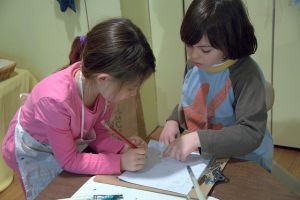 During your child’s preschool years, an important milestone begins to emerge. This is the development of pre-writing skills. Pre-writing skills are used to encourage, develop… Read More
 An Acknowledgment of the Country is a way of showing respect for the Traditional Owners and can be given by both non-Indigenous people and Aboriginal… Read More
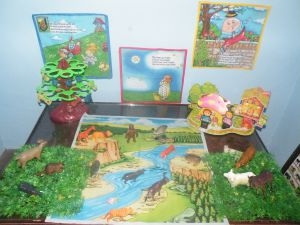 Open ended materials enables children to play freely. They are objects that have no rules to follow, use or function. Raw materials that can be… Read More
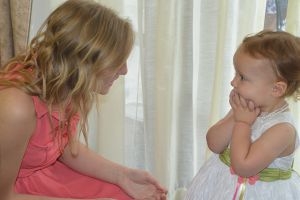 Language plays an important role in a child’s development. It enables a child to communicate effectively with their family, learn at school, socialize with friends,… Read More
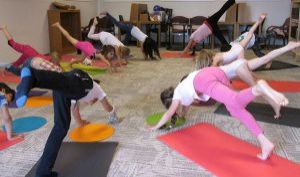 Like adults, children have to deal with their own stress in life. Moving house, starting a new school, preparing for a new sibling - these are… Read More
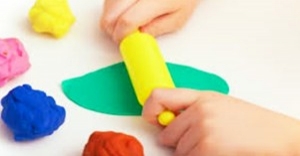 Playdough is such a versatile material. It provides numerous benefits to children as they manipulate it, it is safe and soothing and provides children with… Read More
 Teaching children about sustainability enables them to appreciate and respect the natural environment. Early childhood services can provide meaningful hand on learning experiences in order… Read More
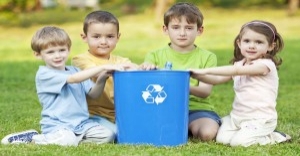 Recycling is an important concept that teaches children to care for the environment. It encourages children to be responsible and show a growing appreciating for… Read More
 Incursions provide children with the opportunity to explore meaningful learning experiences in the comfort of their early childhood service. The following provides a directory of… Read More
Part of being a childcare professional is to maintain and complete paperwork. However at times...
See more...
A literacy-rich environment is one that gives children numerous opportunities to engage in emergent literacy...
See more...
The following is a list of critical reflections that can help educators evaluate and continuously...
See more...