



Preschool classrooms thrive when curiosity is celebrated. A Wonder Wall is a dynamic display space that captures children’s questions, observations, and discoveries. More than decoration, it becomes a living documentation of inquiry—showcasing the learning journey, encouraging reflection, and linking everyday experiences to broader concepts. Wonder Walls empower children to see themselves as thinkers, researchers, and contributors to knowledge.

Quality Area 5 of the National Quality Standard focuses on Relationships with Children, ensuring that interactions are respectful and responsive and promote children’s sense of security and belonging. Below are practical examples of how this can be implemented in the workplace.
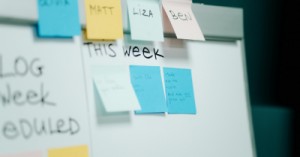
Weekly summaries are collective reflections that capture the learning, play, and experiences of a group of children over the course of a week. Instead of documenting daily group observations, educators compile a broader overview that highlights key themes, interests, and developmental progress.

Early childhood education is guided by philosophy—the beliefs and values that shape how we teach, care, and create environments for children. But philosophy is not just words on paper. When we talk about “philosophy in action", we mean bringing those values to life in everyday practice so children, families, and educators experience them meaningfully.

Exceeding Theme 2: Practice is informed by critical reflection, this means that educators don’t just “do” quality practice—they actively think about it, question it, and refine it. Reflection is ongoing, collaborative, and embedded into the way the service operates.

Educators are constantly seeking ways to make children’s learning visible—not only for compliance and documentation, but also to celebrate achievements, strengthen family partnerships, and empower children to reflect on their own growth. One powerful approach is the “Our Learning Journey” display. This visual narrative captures the progression of experiences, projects, and milestones, turning everyday learning into a collective story.

Exceeding Theme 1 focuses on practice being embedded in service operations and highlights that high-quality approaches are not occasional or dependent on individual staff—they are woven into the fabric of the service. This ensures consistency, sustainability, and a strong service identity that children, families, and educators can rely on. The following provides an overview of how Theme 1 can be demonstrated across Quality Areas 1–7 in OSHC settings.

Across OSHC services, educators and leaders are voicing the same challenge: how do we meet documentation requirements with limited staff without drowning in double-handling or excessive detail?

Quality Area 4 of the National Quality Standard focuses on Staffing Arrangements, ensuring that educators and staff are qualified, effective, and work collaboratively to support children’s learning and well-being. Below are practical examples of how this can be implemented in the workplace.

February is a month rich with opportunities to celebrate kindness, culture, science, and community. By weaving these events into programming, educators can inspire children’s curiosity, empathy, and creativity. Activities below connect to the EYLF Outcomes, encouraging identity, well-being, communication, and contribution to the world.
 Open ended questions cannot be responded to with one word answers such as yes or no. These types of questions enables a child to provide… Read More
 During your child’s preschool years, an important milestone begins to emerge. This is the development of pre-writing skills. Pre-writing skills are used to encourage, develop… Read More
 An Acknowledgment of the Country is a way of showing respect for the Traditional Owners and can be given by both non-Indigenous people and Aboriginal… Read More
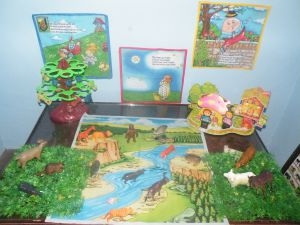 Open ended materials enables children to play freely. They are objects that have no rules to follow, use or function. Raw materials that can be… Read More
 Language plays an important role in a child’s development. It enables a child to communicate effectively with their family, learn at school, socialize with friends,… Read More
 Like adults, children have to deal with their own stress in life. Moving house, starting a new school, preparing for a new sibling - these are… Read More
 Playdough is such a versatile material. It provides numerous benefits to children as they manipulate it, it is safe and soothing and provides children with… Read More
 Teaching children about sustainability enables them to appreciate and respect the natural environment. Early childhood services can provide meaningful hand on learning experiences in order… Read More
 Recycling is an important concept that teaches children to care for the environment. It encourages children to be responsible and show a growing appreciating for… Read More
 Incursions provide children with the opportunity to explore meaningful learning experiences in the comfort of their early childhood service. The following provides a directory of… Read More

February is a month rich with opportunities to celebrate kindness, culture, science, and community. By...
See more...
STEM (Science, Technology, Engineering, and Mathematics) education for toddlers is all about fostering curiosity, problem-solving...
See more...
The start of a new year is a powerful moment for educators to pause and...
See more...