Learn how to write engaging learning stories in early childhood with this step‑by‑step guide, designed to support educators in documenting children’s growth.
Learning stories are more than documentation; they are narrative windows into a child’s thinking, identity, relationships, and growth. When written with warmth, clarity, and sector‑savvy language, learning stories become powerful tools for advocacy, family connection, and pedagogical reflection. They honour children as capable, imaginative learners and make the invisible work of early childhood education visible.
This guide supports educators in writing learning stories that are purposeful, emotionally intelligent, and aligned with the EYLF.
Step 1: Start With the Heart of the Story
A learning story begins with a meaningful moment, something that reveals the child’s interests, dispositions, strengths, or emotional world. Choose a moment that feels alive, symbolic, or significant.
Example:
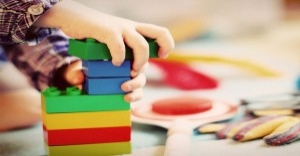
During indoor play, Noah spent the morning building a tall tower, returning to it repeatedly with determination and quiet focus.
Step 2: Describe the Experience in Story Form
Write what happened as a narrative. Capture the flow, the mood, the child’s voice, and the emotional tone. Use rich, respectful language that brings the moment to life.
Example:
Noah carefully placed each block, pausing to check the balance. When the tower wobbled, he whispered, “Stay strong,” before gently adjusting the base. A small smile appeared when the tower finally stood tall.
Step 3: Highlight the Learning You Noticed
This is where you interpret the moment. What learning, dispositions, or skills were visible? What does this story reveal about the child’s identity, well-being, or ways of thinking?
Example:
Noah demonstrated persistence, problem‑solving, and spatial awareness. His self‑talk showed emotional regulation and confidence in his abilities.
Step 4: Link the Learning to the EYLF
Connect the story to one or more EYLF outcomes. Use language that honours the child’s agency and the relational context of their learning.
Example:
This story reflects Outcome 4: Learning, as Noah experimented with balance and structure. It also connects to Outcome 1: Identity, as he showed confidence and pride in his achievements.
Step 5: Add Educator Reflection
Share your professional insight. What stood out? What questions emerged? What does this moment tell you about the child’s learning journey?
Example:
I noticed how Noah used quiet self‑talk to guide his thinking. I wonder how we can support him to share his ideas with peers and collaborate on larger constructions.
Step 6: Plan the Next Steps
Suggest ways to extend the learning or support the child’s emerging interests. This could involve materials, environment changes, intentional teaching, or family collaboration.
Example:
We’ll introduce a “builder’s corner” with blueprints, photos of real structures, and varied block types to deepen Noah’s exploration of balance and design.
Optional: Add a Symbolic or Poetic Title
A title can capture the essence of the story and make it memorable for families and children.
Example:
“Noah the Architect: Building Confidence One Block at a Time”
Sample Learning Story
Title: “The Day the Tower Touched the Sky”
Learning Story:
This morning, Noah (4 years) settled into the block area with a quiet sense of purpose. He began stacking blocks one by one, pausing often to check the balance. When the tower leant, he crouched down, studying the base with careful eyes. “I can fix this,” he murmured, gently adjusting the bottom blocks until the structure stood firm again.
As the tower grew taller, Noah’s determination grew with it. A few children gathered nearby, watching. Noah looked up and said proudly, “It’s almost touching the sky.” When the final block was placed, he stepped back, hands on hips, smiling at his creation.
Interpretation:
Noah demonstrated persistence, problem‑solving, and spatial reasoning. His self‑talk showed emotional regulation and confidence. The way he welcomed peers into the moment reflected growing social awareness and pride in his work.
EYLF Links:
- Outcome 1: Identity—Noah showed confidence and a strong sense of achievement.
- Outcome 3: Wellbeing—He used self‑regulation strategies to manage frustration.
- Outcome 4: Learning—He experimented with balance, structure, and cause‑and‑effect.
- Outcome 5: Communication—His verbal reflections supported his thinking and shared meaning with peers.
Educator Reflection:
Noah’s determination was inspiring. I noticed how he used problem‑solving strategies independently and how proud he felt when peers noticed his work. I wonder how we can support him to collaborate with others on larger construction projects.
Extension Plan:
Create a “construction studio” with photos of bridges and towers, measuring tools, and opportunities for collaborative building. Invite Noah to help design the space and share his ideas with the group.
Extra Tips For Educators
- Use Visuals — Add photos or drawings to enrich narratives.
- Include Family Voice — Invite parents to share observations.
- Balance Individual & Group Stories — Document both solo and collaborative learning.
- Keep Language Strength‑Based — Focus on capabilities, not deficits.
Further Reading
How To Write A Learning Story
Learning Stories In Childcare
Learning Stories For Assessment
Q: How Do I Write Group Learning Stories?
Q: Do All Observations and Learning Stories Require A Follow Up
Learning Stories


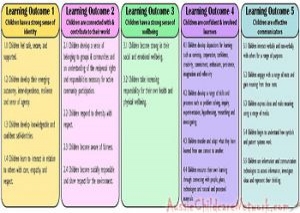 Here is the list of the EYLF Learning Outcomes that you can use as a guide or reference for your documentation and planning. The EYLF
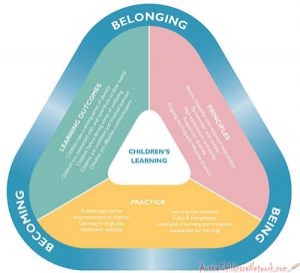 The EYLF is a guide which consists of Principles, Practices and 5 main Learning Outcomes along with each of their sub outcomes, based on identity,
 This is a guide on How to Write a Learning Story. It provides information on What Is A Learning Story, Writing A Learning Story, Sample
 One of the most important types of documentation methods that educators needs to be familiar with are “observations”. Observations are crucial for all early childhood
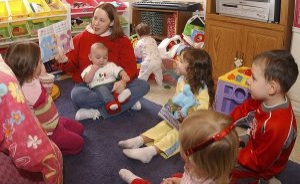 To support children achieve learning outcomes from the EYLF Framework, the following list gives educators examples of how to promote children's learning in each individual
 Reflective practice is learning from everyday situations and issues and concerns that arise which form part of our daily routine while working in an early
 When observing children, it's important that we use a range of different observation methods from running records, learning stories to photographs and work samples. Using
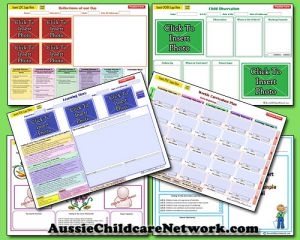 Within Australia, Programming and Planning is reflected and supported by the Early Years Learning Framework. Educators within early childhood settings, use the EYLF to guide
 This is a guide for educators on what to observe under each sub learning outcome from the EYLF Framework, when a child is engaged in
 The Early Years Learning Framework describes the curriculum as “all the interactions, experiences, activities, routines and events, planned and unplanned, that occur in an environment