January offers a vibrant mix of cultural, playful, and reflective events that can inspire meaningful programming in early childhood settings. By weaving these celebrations into daily practice, educators can foster children’s curiosity, creativity, and sense of belonging. These activities provide opportunities to explore sustainability, inclusion, empathy, and cultural pride, values that align strongly with the EYLF.
Month-long Observances
-
Veganuary
-
Food exploration: Create a “rainbow plate” activity where children arrange plant-based foods by color.
-
Story corner: Read picture books about animals and discuss kindness and care.
-
Cooking demo: Simple vegan snacks (fruit skewers, hummus dips) with child participation.
-
EYLF Outcomes:
-
Outcome 1: Children have a strong sense of identity (exploring food choices and kindness)
-
Outcome 2: Children are connected with and contribute to their world (respect for animals and environment)
-
Outcome 3: Children have a strong sense of well-being (healthy eating habits)
-
-
-
Walk Your Dog Month
-
Role play: Pretend play with stuffed animals—children “walk” pets around the classroom.
-
Movement games: Obstacle courses mimicking dog walks (jumping, crawling, and balancing).
-
Discussion: Talk about caring for pets and why exercise matters.
-
EYLF Outcomes:
-
Outcome 1: Children have a strong sense of identity (role play and empathy)
-
Outcome 3: Children have a strong sense of well-being (physical activity and care)
-
Outcome 4: Children are confident and involved learners (problem-solving in obstacle courses)
-
-
Daily Observances
-
New Year’s Day
-
Create “wish jars” where children draw or write their hopes for the year.
-
Simple countdown activity with balloons or confetti.
-
EYLF Outcomes:
-
Outcome 1: Children have a strong sense of identity (expressing hopes and feelings)
-
Outcome 5: Children are effective communicators (sharing ideas)
-
-
-
World Braille Day (Jan 4)
-
Sensory play with raised-dot stickers to mimic Braille.
-
Introduce tactile alphabet cards.
-
EYLF Outcomes:
-
Outcome 5: Children are effective communicators (exploring alternative communication)
-
Outcome 4: Children are confident and involved learners (sensory exploration)
-
-
-
World Spaghetti Day (Jan 4)
-
Pasta threading for fine motor skills.
-
Sensory bins with cooked spaghetti for messy play.
- Recipes For Dying Pasta
- National Spaghetti Day Activities For Children
-
EYLF Outcomes:
-
Outcome 3: Children have a strong sense of well-being (fine motor development)
-
Outcome 4: Children are confident and involved learners (sensory and exploratory play)
-
-
-
International Kite Day (Jan 14)
-
Craft paper kites with simple shapes.
-
Outdoor play: children run with streamers to mimic kite flying.
- International Kite Day Activities For Children
- Kites Colouring Pages
- Kite Colour Matching
- Kite Tracing Lines
- Kite Letter Matching
- Kite Shapes Matching
- Kite And Cloud Number Match
-
EYLF Outcomes:
-
Outcome 3: Children have a strong sense of well-being (physical activity)
-
Outcome 4: Children are confident and involved learners (creative arts and movement)
-
-
-
World Logic Day (Jan 14)
-
Sorting games (colors, shapes, sizes).
-
Simple sequencing puzzles (what comes first, next, and last).
-
EYLF Outcomes:
-
Outcome 4: Children are confident and involved learners (problem-solving and reasoning)
-
-
-
Pongal (Jan 15–18)
-
Rice art collages.
-
Storytelling about harvest and sun celebrations.
-
Traditional dance or music exploration.
-
EYLF Outcomes:
-
Outcome 1: Children have a strong sense of identity (cultural awareness)
-
Outcome 2: Children are connected with and contribute to their world (community and culture)
-
Outcome 5: Children are effective communicators (storytelling and music)
-
-
-
Kids Inventors’ Day (Jan 17)
-
Junk modeling: children build “inventions” from recycled materials.
-
“What if” storytelling: imagine new tools or toys.
- Kids Inventors' Day Activities For Children
-
EYLF Outcomes:
-
Outcome 4: Children are confident and involved learners (creativity and problem-solving)
-
Outcome 5: Children are effective communicators (imaginative storytelling)
-
-
-
National Winnie the Pooh Day (Jan 18)
-
Storytime with Pooh tales.
-
Friendship bracelet making.
-
EYLF Outcomes:
-
Outcome 1: Children have a strong sense of identity (friendship and belonging)
-
Outcome 3: Children have a strong sense of well-being (fine motor skills and social connection)
-
-
-
Penguin Awareness Day (Jan 20)
-
Ice play with penguin figurines.
-
Movement game: “waddle like a penguin.”
- Penguin Awareness Day Activities For Children
-
EYLF Outcomes:
-
Outcome 3: Children have a strong sense of well-being (sensory and physical play)
-
Outcome 4: Children are confident and involved learners (imaginative play)
-
-
-
Squirrel Appreciation Day (Jan 21)
-
Nut sorting and counting games.
-
Outdoor scavenger hunt for “hidden acorns.”
-
EYLF Outcomes:
-
Outcome 3: Children have a strong sense of wellbeing (fine motor and physical activity)
-
Outcome 4: Children are confident and involved learners (exploration and problem-solving)
-
-
-
International Day of Education (Jan 24)
-
Circle time: talk about why learning is important.
-
Create “learning passports” with stamps for new skills.
-
EYLF Outcomes:
-
Outcome 1: Children have a strong sense of identity (valuing learning)
-
Outcome 4: Children are confident and involved learners (reflective practice)
-
-
-
Australia Day / Invasion Day / Survival Day / Yabun Festival (Jan 26)
-
Respectful storytelling: Aboriginal Dreamtime stories.
-
Art: dot painting with natural colors.
-
Music: clap sticks and rhythm exploration.
-
Reflection: talk about fairness, respect, and community.
- Celebrating Australia Day Respectfully In Early Childhood Services
- Virtual Excursions Around Australia For Children
-
Australian Animal Information Posters
- Australia Day Activities For Children
-
Australian Food Posters
-
EYLF Outcomes:
-
Outcome 1: Children have a strong sense of identity (cultural pride)
-
Outcome 2: Children are connected with and contribute to their world (respect and community)
-
Outcome 5: Children are effective communicators (storytelling and music)
-
-
-
Chocolate Cake Day (Jan 27)
-
Pretend play bakery corner.
-
Sensory play with cocoa powder and flour.
- Chocolate Playdough
-
EYLF Outcomes:
-
Outcome 3: Children have a strong sense of well-being (sensory and imaginative play)
-
Outcome 4: Children are confident and involved learners (role play)
-
-
-
International Holocaust Remembrance Day (Jan 27)
-
For early childhood: focus on kindness, empathy, and fairness through age-appropriate stories.
-
“Helping hands” mural where children add handprints for peace.
-
EYLF Outcomes:
-
Outcome 1: Children have a strong sense of identity (empathy and kindness)
-
Outcome 2: Children are connected with and contribute to their world (peace and fairness)
-
-
-
National Lego Day (Jan 28)
-
Free Lego building stations.
-
Collaborative “community build” project.
-
EYLF Outcomes:
-
Outcome 3: Children have a strong sense of wellbeing (fine motor skills)
-
Outcome 4: Children are confident and involved learners (collaboration and creativity)
-
-
-
Puzzle Day (Jan 29)
-
Jigsaw puzzles, shape sorters, and matching games.
-
Group puzzle challenge for teamwork.
-
EYLF Outcomes:
-
Outcome 4: Children are confident and involved learners (problem-solving and teamwork)
-
Outcome 5: Children are effective communicators (collaboration)
-
-
-
Lunar New Year (Jan 29, 2025)
-
Dragon dance with ribbons.
-
Red envelope craft with paper coins.
-
Storytelling about zodiac animals.
- Lunar New Year Activities For Children
- Chinese Colour Lanterns
- Lunar New Year Information Posters
- Chinese New Year Information Posters
- Red Envelope Money Counting
- Chinese New Year Tracing Dots
- Red Envelope Letter Match
-
EYLF Outcomes:
-
Outcome 1: Children have a strong sense of identity (cultural celebration)
-
Outcome 2: Children are connected with and contribute to their world (community and tradition)
-
Outcome 5: Children are effective communicators (storytelling and arts)
-
-
-
Please like/follow our Aussie Childcare Network Facebook page to receive events and celebration activity ideas, resources and documentation templates for child portfolios, and more.



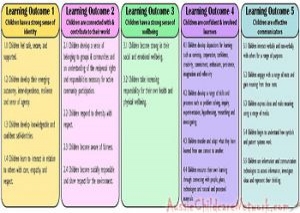 Here is the list of the EYLF Learning Outcomes that you can use as a guide or reference for your documentation and planning. The EYLF
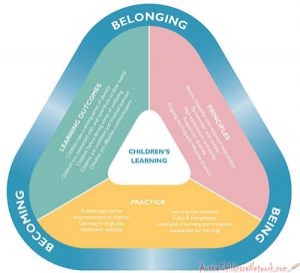 The EYLF is a guide which consists of Principles, Practices and 5 main Learning Outcomes along with each of their sub outcomes, based on identity,
 This is a guide on How to Write a Learning Story. It provides information on What Is A Learning Story, Writing A Learning Story, Sample
 One of the most important types of documentation methods that educators needs to be familiar with are “observations”. Observations are crucial for all early childhood
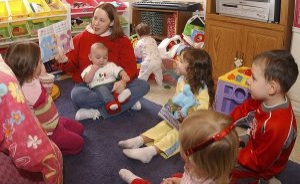 To support children achieve learning outcomes from the EYLF Framework, the following list gives educators examples of how to promote children's learning in each individual
 Reflective practice is learning from everyday situations and issues and concerns that arise which form part of our daily routine while working in an early
 When observing children, it's important that we use a range of different observation methods from running records, learning stories to photographs and work samples. Using
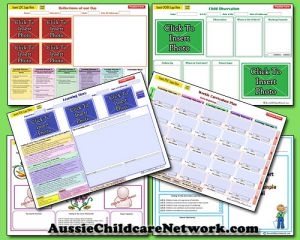 Within Australia, Programming and Planning is reflected and supported by the Early Years Learning Framework. Educators within early childhood settings, use the EYLF to guide
 This is a guide for educators on what to observe under each sub learning outcome from the EYLF Framework, when a child is engaged in
 The Early Years Learning Framework describes the curriculum as “all the interactions, experiences, activities, routines and events, planned and unplanned, that occur in an environment