Prompts for each stage of the observation cycle guide educators to observe, analyse, plan, and reflect—making documentation clear, consistent, and purposeful.
The observation cycle doesn’t need to be complicated. At its heart, it’s simply a way of noticing, understanding, and responding to children’s learning. These prompts are designed to support educators at every stage, keeping documentation meaningful, manageable, and connected to children’s identities.
Prompts for Each Stage of the Observation Cycle
Observation—What Did You See?
This stage is all about capturing what actually happened. Stick to the facts. Avoid interpreting or explaining just yet.
Prompts to guide your noticing
-
Child actions: What did the child do? How did they move, explore, persist, or experiment?
-
Materials used: What resources were chosen? How were they used, combined, or repurposed?
-
Language or gestures: What words, sounds, facial expressions, or body language did you notice?
Why This Matters
Clear, descriptive observations give you a strong foundation. They help you avoid assumptions and keep the child’s voice at the centre.
Analysis—What Does It Mean?
Here you interpret the learning. This is where your professional knowledge shines.
Prompts to guide your thinking
-
Emerging skills: What skills or understandings are beginning to appear?
-
Learning dispositions: Did you notice curiosity, persistence, problem‑solving, empathy, or creativity?
-
Identity cues: What does this tell you about who the child is becoming as a learner?
-
Social interactions: How did the child engage with peers, educators, or the environment?
Why This Matters
Analysis connects the dots. It helps you understand the deeper learning taking place and ensures your follow‑up planning is intentional rather than reactive.
Follow-Up Planning—What’s Next?
This is your opportunity to extend, enrich, or revisit learning based on what you observed.
Prompts to guide your planning
-
Materials to add or adjust: What could you introduce, remove, or modify to support the next step?
-
Intentional teaching strategies: Will you model, scaffold, question, co‑play, or step back?
-
Child or family voice: What ideas, interests, or cultural connections can you incorporate?
Why This Matters
Follow‑up planning ensures learning is responsive and meaningful. It shows families and assessors that your decisions are grounded in what children actually need.
Reflection—What Did You Notice?
Reflection closes the loop and strengthens your practice. It helps you refine your approach and celebrate growth.
Prompts to guide your reflection
-
Shifts in confidence: Did the child show more independence, willingness, or pride?
-
Unexpected discoveries: What surprised you? What challenged your assumptions?
-
Threads to follow: What new questions or interests emerged that you might explore next?
Why This Matters
Reflection keeps your practice dynamic. It helps you stay attuned to children’s evolving identities and ensures your documentation remains purposeful—not performative.
When educators use simple prompts like these, the observation cycle becomes less about paperwork and more about connection. It supports:
-
clearer, more consistent documentation
-
stronger links to children’s learning
-
more intentional planning
-
a calmer, more confident team
Further Reading
EYLF Keywords & Prompts for Daily Observations & Planning
EYLF Documentation Cheat Sheet for Educators
Free EYLF Version 2.0 Posters and Cheat Sheets
EYLF Principles & Practices Cheat Sheet
EYLF Outcome 1 Cheat Sheet



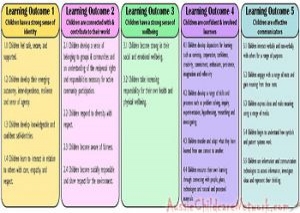 Here is the list of the EYLF Learning Outcomes that you can use as a guide or reference for your documentation and planning. The EYLF
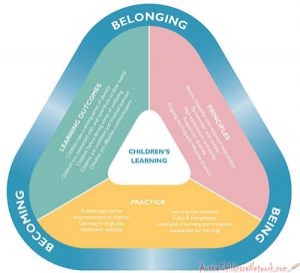 The EYLF is a guide which consists of Principles, Practices and 5 main Learning Outcomes along with each of their sub outcomes, based on identity,
 This is a guide on How to Write a Learning Story. It provides information on What Is A Learning Story, Writing A Learning Story, Sample
 One of the most important types of documentation methods that educators needs to be familiar with are “observations”. Observations are crucial for all early childhood
 To support children achieve learning outcomes from the EYLF Framework, the following list gives educators examples of how to promote children's learning in each individual
 Reflective practice is learning from everyday situations and issues and concerns that arise which form part of our daily routine while working in an early
 When observing children, it's important that we use a range of different observation methods from running records, learning stories to photographs and work samples. Using
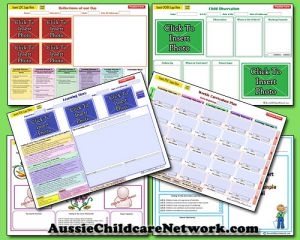 Within Australia, Programming and Planning is reflected and supported by the Early Years Learning Framework. Educators within early childhood settings, use the EYLF to guide
 This is a guide for educators on what to observe under each sub learning outcome from the EYLF Framework, when a child is engaged in
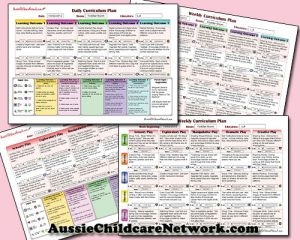 The Early Years Learning Framework describes the curriculum as “all the interactions, experiences, activities, routines and events, planned and unplanned, that occur in an environment