EYLF Outcome 1 Floorbook prompts for identity, belonging, autonomy, emotional well-being, and empathy. Includes child‑voice questions, educator reflections, group prompts, and page starters.
Outcome 1 of the EYLF focuses on identity: a child’s sense of belonging, autonomy, emotional safety, and connection to others. Floorbooks are a powerful way to capture this learning because they centre children’s voices, make thinking visible, and document identity as it unfolds in real time.
These prompts help educators:
- Invite authentic child voice
- Capture group thinking and shared identity
- Reflect on practice with clarity and purpose
- Document belonging, agency, emotional wellbeing, and respectful relationships
- Strengthen links to Outcome 1.1–1.4 through meaningful evidence
General Floorbook Prompts for Outcome 1 (Identity)
Child Voice Prompts
- “What makes you feel happy here?”
- “Who helps you feel safe?”
- “What do you like doing the most?”
- “What makes you feel proud?”
- “What makes this place feel like yours?”
- More examples:
- “What do you like about our group?”
- “What makes you feel brave?”
- “What helps you when something is tricky?”
- “What makes you feel like you belong?”
Group Prompts
- “How do we show we belong to this room?”
- “What makes our group special?”
- “How do we help each other?”
- More examples:
- “What do we do that makes everyone feel welcome?”
- “What are we proud of as a group?”
- “How do we celebrate our differences?”
Educator Reflection Prompts
- How did children show identity or belonging today?
- What moments showed agency or confidence?
- How did children express emotions or support each other?
- More examples:
- How did the environment support identity today?
- What cultural identities were visible in play?
- How did routines strengthen belonging?
Outcome 1.1 – Safe, Secure and Supported
Children feel safe, supported, and connected to trusted adults.
Child Voice Prompts
- “Who do you like to be with when you need help?”
- “What helps you feel safe?”
- “Where do you feel most comfortable in our room?”
- “What helps you when you feel sad or worried?”
- More examples:
- “Who do you go to when you need comfort?”
- “What makes you feel calm?”
- “What helps you when you miss your family?”
Group Prompts
- “How do we help new friends feel welcome?”
- “What makes our room feel safe?”
- “What helps us during transitions?”
- More examples:
- “How do we show care when someone is upset?”
- “What helps us feel ready for the day?”
- “What routines help us feel calm?”
Educator Prompts
- How did children show trust today?
- What routines supported children’s sense of security?
- How did we respond to children’s emotional cues?
- More examples:
- How did we support children during separation?
- What comfort strategies were effective?
- How did we build predictable, safe rhythms?
Outcome 1.2 – Emerging Autonomy
Children develop agency, independence, and confidence in their abilities.
Child Voice Prompts
- “What did you choose to do today?”
- “How did you solve a problem?”
- “What did you try all by yourself?”
- “What made you feel proud today?”
- More examples:
- “What did you keep trying even when it was hard?”
- “What did you learn today?”
- “What did you do your own way?”
Group Prompts
- “What choices did we make during play?”
- “How did we help each other try something new?”
- “What did we learn when we kept trying?”
- More examples:
- “What did we do independently today?”
- “How did we solve problems together?”
- “What helped us be brave learners?”
Educator Prompts
- How did children show independence today?
- What choices did we offer?
- How did we support problem‑solving and persistence?
- More examples:
- How did we scaffold risk‑taking?
- What opportunities supported agency?
- How did we celebrate effort?
Outcome 1.3 – Social and Emotional Wellbeing
Children recognise, express, and regulate emotions.
Child Voice Prompts
- “How were you feeling today?”
- “What helped you feel better?”
- “Who helped you when you needed it?”
- “What made you feel brave?”
- More examples:
- “What made you feel excited today?”
- “What made you feel frustrated?”
- “What helps you calm your body?”
Group Prompts
- “How do we help friends who feel sad?”
- “What helps us calm down?”
- “What makes us feel confident?”
- More examples:
- “How do we show our feelings safely?”
- “What helps us when we feel worried?”
- “How do we celebrate our achievements?”
Educator Prompts
- What emotions did we notice today?
- How did children use calming strategies?
- How did we support resilience and confidence?
- More examples:
- How did we model emotional language?
- What co‑regulation strategies were effective?
- How did we support peer empathy?
Outcome 1.4 – Care, Empathy and Respect
Children show kindness, cooperation, and respect for others.
Child Voice Prompts
- “How did you help a friend today?”
- “What does being kind look like?”
- “How do you show you care?”
- “What makes someone a good friend?”
- More examples:
- “How do we look after our things?”
- “What does sharing mean to you?”
- “How do we show respect?”
Group Prompts
- “How do we show respect in our room?”
- “What can we do when someone feels upset?”
- “How do we work together?”
- More examples:
- “How do we solve problems fairly?”
- “What does teamwork look like?”
- “How do we include everyone?”
Educator Prompts
- How did children show empathy today?
- What moments showed cooperation or kindness?
- How did we support respectful interactions?
- More examples:
- How did we model respectful language?
- What opportunities supported collaboration?
- How did we respond to conflict?
Floorbook Page Starters for Outcome 1
Use these as headings, page titles, or documentation anchors.
- “We Feel Safe When…”
- “We Belong Because…”
- “We Can Do It!”
- “We Are Brave Learners”
- “We Help Each Other By…”
- “We Show Kindness When…”
- “Our Choices Today…”
- “We Worked Together To…”
- “We Felt Proud When…”
- More page starters:
- “Today We Showed Respect By…”
- “We Solved Problems When…”
- “We Tried Something New…”
- “We Look After Our Room By…”
- “We Are Part of This Group Because…”
Further Reading
Version 2.0 EYLF Outcome 1
Activity Ideas To Promote EYLF Outcome 1
EYLF Learning Outcomes
Learning Goals And Activities To Achieve EYLF Learning Outcome 1
Understanding EYLF Outcome 1
EYLF Outcome 1 In Simplified Language
EYLF Outcome 1.1 – Children Feel Safe, Secure and Supported



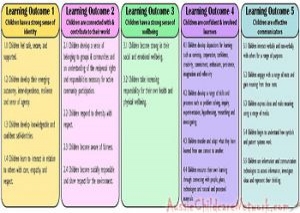 Here is the list of the EYLF Learning Outcomes that you can use as a guide or reference for your documentation and planning. The EYLF
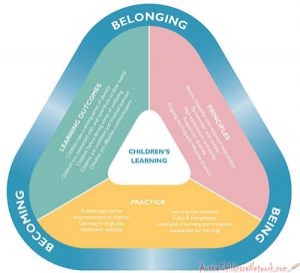 The EYLF is a guide which consists of Principles, Practices and 5 main Learning Outcomes along with each of their sub outcomes, based on identity,
 This is a guide on How to Write a Learning Story. It provides information on What Is A Learning Story, Writing A Learning Story, Sample
 One of the most important types of documentation methods that educators needs to be familiar with are “observations”. Observations are crucial for all early childhood
 To support children achieve learning outcomes from the EYLF Framework, the following list gives educators examples of how to promote children's learning in each individual
 Reflective practice is learning from everyday situations and issues and concerns that arise which form part of our daily routine while working in an early
 When observing children, it's important that we use a range of different observation methods from running records, learning stories to photographs and work samples. Using
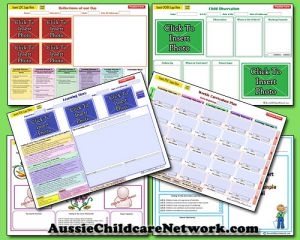 Within Australia, Programming and Planning is reflected and supported by the Early Years Learning Framework. Educators within early childhood settings, use the EYLF to guide
 This is a guide for educators on what to observe under each sub learning outcome from the EYLF Framework, when a child is engaged in
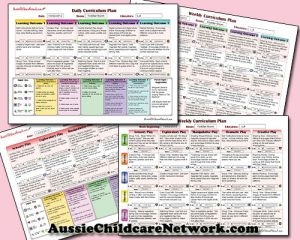 The Early Years Learning Framework describes the curriculum as “all the interactions, experiences, activities, routines and events, planned and unplanned, that occur in an environment