



Writing a critical reflection in early childhood education involves a thoughtful examination of your experiences, thoughts, and feelings to gain insights and improve your teaching practice. The following article provides a Step-by-Step Guide, Example Outline and Example Reflection, Topics To Critically Reflect On In Early Childhood and more.
Implementing the Kindness Curriculum for preschoolers involves creating a nurturing environment that fosters social-emotional learning and mindfulness. The following article provides information on Strategies For Implementing The Kindness Curriculum, Explaining The Twelve Core Attributes To Preschoolers, Twelve Core Attributes Activities For Preschoolers, Daily Kindness Activities For Preschoolers, Mindfulness Practices For Preschoolers, Linking EYLF To The Kindness Curriculum and more.
Floor books are an engaging and interactive method of recording and reflecting on children’s learning experiences in early childhood settings. The following article provides information on How To Start Floor Books, How To Document Ongoing Learning In Floor Books, Concept Ideas For Floor Books, Entries Examples For Floor Books, How To Review And Reflect Using Floor Books, How Children Can Use Floor Books and more.

Reflection is a valuable tool for personal growth and learning; critical reflection takes it a step further by promoting deeper analysis and transformative change. The following article provides information on What Is Reflection, What Is Critical Reflection, Differences Between Reflection and Critical Reflection, When To Use Reflections, When To Use Critical Reflections, Sharing Reflections and Critical Reflections With Families, Linking To The EYLF and more.
The Early Years Learning Framework (EYLF) is guided by the concepts of "Belonging, Being, and Becoming," which are central to children's learning and development. The following article provides information on Understanding Belonging, Being and Becoming, Examples Of Belonging, Being and Becoming, Implementing Belonging, Being and Becoming and more.

Quality Area 2 of the National Quality Standard focuses on children's health and safety. This area is to safeguard and promote children’s health and safety, minimise risks, and protect children from harm, injury, and infection. The following article provides a list of critical reflection questions to guide thinking and practice for QA2.
Assessment is a digital documentation tool designed for early childhood educators. It is created by Aussie Childcare Network. The following article provides information on All About Appsessment, List Of Features, Benefits and more.

Learning trajectories in early childhood refer to the developmental pathways that children typically follow as they acquire new skills and knowledge.

Creating an Early Years Learning Framework (EYLF) curriculum plan involves several key steps to ensure it aligns with the framework’s principles and supports children’s learning and development. The following article provides a step by step guide on writing the EYLF curriculum plan.
 Open ended questions cannot be responded to with one word answers such as yes or no. These types of questions enables a child to provide… Read More
 During your child’s preschool years, an important milestone begins to emerge. This is the development of pre-writing skills. Pre-writing skills are used to encourage, develop… Read More
 An Acknowledgment of the Country is a way of showing respect for the Traditional Owners and can be given by both non-Indigenous people and Aboriginal… Read More
 Open ended materials enables children to play freely. They are objects that have no rules to follow, use or function. Raw materials that can be… Read More
 Language plays an important role in a child’s development. It enables a child to communicate effectively with their family, learn at school, socialize with friends,… Read More
 Like adults, children have to deal with their own stress in life. Moving house, starting a new school, preparing for a new sibling - these are… Read More
 Playdough is such a versatile material. It provides numerous benefits to children as they manipulate it, it is safe and soothing and provides children with… Read More
 Teaching children about sustainability enables them to appreciate and respect the natural environment. Early childhood services can provide meaningful hand on learning experiences in order… Read More
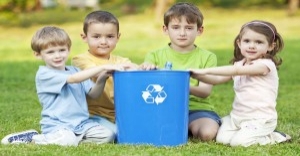 Recycling is an important concept that teaches children to care for the environment. It encourages children to be responsible and show a growing appreciating for… Read More
 Incursions provide children with the opportunity to explore meaningful learning experiences in the comfort of their early childhood service. The following provides a directory of… Read More

Feedback in early childhood education must be delivered with care; effective strategies reduce defensiveness and...
See more...
Play is more than just fun—it’s an essential part of a child’s growth and development...
See more...
An employment contract is an agreement between you and your employer. It might set out...
See more...