The start of a new year is more than a reset—it’s a chance to align compliance responsibilities with authentic engagement. Reflective practice ensures educators move beyond “checking boxes” to create joyful, culturally rich, and sustainable learning environments.
Why Reflective Practice Matters
Reflective practice nurtures growth and resilience. It helps educators reconnect with values, identify authentic learning moments, and transform challenges into opportunities.
Reflective Prompts
- What practices last year felt most authentic to me?
- Where did compliance feel heavy, and how might I reframe it?
- How did children’s voices shape our learning environment?
- What values do I want to prioritize this year (e.g., inclusion, sustainability, cultural pride)?
Setting Meaningful Goals
Goal setting becomes powerful when paired with intention.
Activities
-
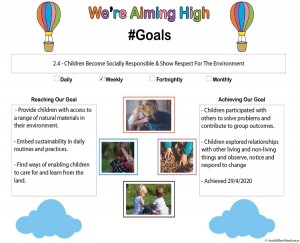
SMART + Heart Mapping: Write one compliance-focused SMART goal, then map a “heart goal” alongside it (e.g., “Complete weekly documentation” + “Celebrate children’s storytelling through visual displays”).
-
Vision Board Workshop: As a team, create a board linking compliance requirements with authentic practices. Use photos, quotes, and children’s artwork.
-
Goal Pairing Circles: In small groups, educators share one compliance goal and brainstorm authentic engagement strategies to pair with it.
Balancing Compliance with Authentic Engagement
Compliance ensures safety and accountability, but authenticity ensures joy and meaning.
Reflective Prompts
-
How can I reframe compliance tasks as opportunities for creativity?
-
Where do compliance and authenticity naturally align in my practice?
-
What small wins can I celebrate when both are achieved together?
Activities
- Child-Led Safety Walks: Turn safety audits into explorations where children identify “safe spaces” in the environment.
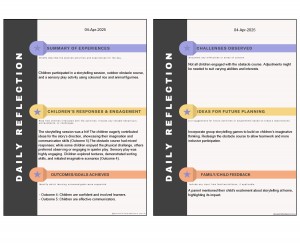
- Creative Documentation Challenge: Each week, educators experiment with a new documentation style (photo collage, reflective journaling, children’s artwork).
- Celebration Wall: A shared space where educators post examples of compliance tasks that also sparked authentic engagement.
Practical Tools for Educators
- Weekly Reflective Journals: Prompts such as “Where did I see authentic joy this week?”
- Curriculum Mapping Sessions: Align regulatory requirements with child-centered, culturally rich experiences.
- Peer Mentoring Partnerships: Pair Cert III students with experienced educators to co-set intentions and reflect together.
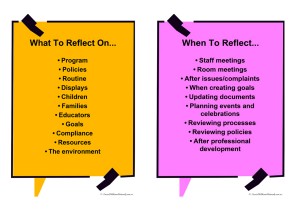
- Monthly Reflection Meetings: Teams share one compliance success and one authentic engagement story.
Meaningful intentions emerge when educators see compliance as a scaffold for authentic engagement. Reflective practice ensures every regulation is infused with heart, and every goal becomes a step toward restoring joy, dignity, and cultural richness in early childhood education.
Further Reading
Educational Leader Guide: How to Lead Reflective Practices in Your Team
Discussion Prompts To Encourage Reflective Practices
Reflective Practices In Childcare
Educator's Guide To Critical Reflections
How To Write Critical Reflections For The National Quality Standards
Reflection Vs Critical Reflection
Reflections In Action Posters
Reflection Questions For Quality Area 1 to 7
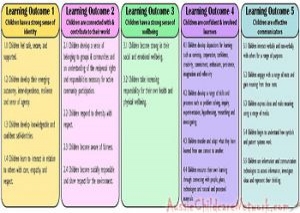 Here is the list of the EYLF Learning Outcomes that you can use as a guide or reference for your documentation and planning. The EYLF
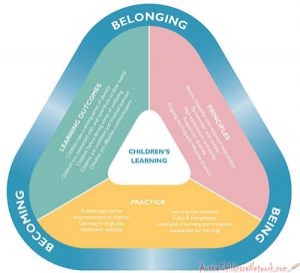 The EYLF is a guide which consists of Principles, Practices and 5 main Learning Outcomes along with each of their sub outcomes, based on identity,
 This is a guide on How to Write a Learning Story. It provides information on What Is A Learning Story, Writing A Learning Story, Sample
 One of the most important types of documentation methods that educators needs to be familiar with are “observations”. Observations are crucial for all early childhood
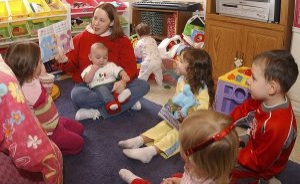 To support children achieve learning outcomes from the EYLF Framework, the following list gives educators examples of how to promote children's learning in each individual
 Reflective practice is learning from everyday situations and issues and concerns that arise which form part of our daily routine while working in an early
 When observing children, it's important that we use a range of different observation methods from running records, learning stories to photographs and work samples. Using
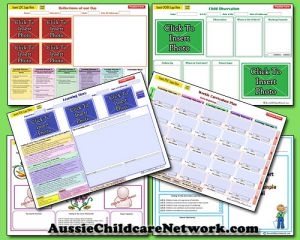 Within Australia, Programming and Planning is reflected and supported by the Early Years Learning Framework. Educators within early childhood settings, use the EYLF to guide
 This is a guide for educators on what to observe under each sub learning outcome from the EYLF Framework, when a child is engaged in
 The Early Years Learning Framework describes the curriculum as “all the interactions, experiences, activities, routines and events, planned and unplanned, that occur in an environment