Exceeding Theme 1 focuses on practice being embedded in service operations and highlights that high-quality approaches are not occasional or dependent on individual staff—they are woven into the fabric of the service. This ensures consistency, sustainability, and a strong service identity that children, families, and educators can rely on. The following provides an overview of how Theme 1 can be demonstrated across Quality Areas 1–7 in OSHC settings.
Theme 1 of the NQS
Practice is embedded in service operations. This means that quality approaches are consistently applied, visible in routines, and sustained through systems and culture.
What “Embedded Practice” Looks Like in OSHC
-
Consistency across staff: All educators apply the same approaches, not just one or two passionate individuals.
-
Visible in routines: Practices are evident in daily transitions, activities, and interactions.
-
Part of service identity: Families, children, and staff recognize these practices as “how we do things here.”
-
Sustainable systems: Policies, documentation, and planning cycles reinforce the practice so it continues even with staff changes.
Practical Examples in OSHC
Here are ways OSHC services can demonstrate Theme 1 in action:
| Area | Embedded Practice Example |
|---|---|
| Child Agency | Children consistently co-design activity schedules. For example, a weekly “planning circle” where children vote on games, projects, or menus. |
| Inclusion | Every activity is adapted for diverse needs—e.g., sports sessions always include modified rules so all children can participate. |
| Sustainability | Recycling and composting are part of daily routines. Children lead “green teams” to monitor waste and energy use. |
| Cultural Pride | Acknowledgement of Country is embedded in daily gatherings, and cultural celebrations are co-created with families and children. |
| Safety & Wellbeing | Chill Zones (calming areas) are always available, with emotion cards and sensory tools, not just during “special” times. |
| Documentation | Educator reflections and child input are consistently recorded in planning templates, showing that child voice drives programming. |
Exceeding Theme 1 Across Quality Areas 1–7 in OSHC
Quality Area 1: Educational Program and Practice
Overview: Learning frameworks (like MTOP) are naturally embedded in daily interactions, ensuring children experience meaningful, play-based learning.
-
Example 1: Weekly activity schedules are co-designed with children, embedding agency into programming.
-
Implementation: Educators consistently reflect and adjust programs based on child input, making intentional teaching a natural part of OSHC routines.
-
Example 2: Play-based learning is adapted daily to children’s interests (e.g., sports, art, STEM clubs).
-
Implementation: Environments are structured for independent choice, embedding self-directed exploration.
Quality Area 2: Children’s Health and Safety
Overview: Safety, hygiene, and wellbeing are instinctive and embedded into routines.
-
Example 1: Children automatically wash hands before meals as part of daily practice.
-
Implementation: Staff refine emergency procedures through regular drills, making responses second nature.
-
Example 2: Risk assessments are embedded into transitions (e.g., checking playground zones before outdoor play).
-
Implementation: Monthly safety reflections ensure practices evolve with real-world scenarios.
Quality Area 3: Physical Environment
Overview: Sustainability and accessibility are woven into OSHC infrastructure.
-
Example 1: Recycling and composting are embedded into snack routines, led by child “green teams.”
-
Implementation: Spaces are regularly assessed for inclusion and safety, ensuring evolving needs are met.
-
Example 2: Outdoor play is naturally integrated into programming.
-
Implementation: Flexible outdoor zones allow daily nature-based play.
Quality Area 4: Staffing Arrangements
Overview: Collaboration and continuity of relationships are embedded into staffing.
-
Example 1: Staff rosters prioritise continuity, ensuring secure relationships with children.
-
Implementation: Induction and mentoring embed service-wide practices for new educators.
-
Example 2: Professional development is embedded into daily operations.
-
Implementation: Reflective discussions and mentoring ensure consistent practice across the team.
Quality Area 5: Relationships with Children
Overview: Respectful, positive interactions are ingrained in daily practice.
-
Example 1: Educators naturally use warm communication, embedding emotional safety.
-
Implementation: Relationship-building strategies are reinforced through reflective discussions.
-
Example 2: Emotional regulation strategies (e.g., mindfulness, emotion cards) are embedded into routines.
-
Implementation: Visual cues guide children in self-regulating feelings daily.
Quality Area 6: Collaborative Partnerships with Families and Communities
Overview: Family and community engagement is embedded into service identity.
-
Example 1: Families co-shape curriculum ideas year-round, not just at review stages.
-
Implementation: Consistent communication channels embed family voice into programming.
-
Example 2: Community partnerships (e.g., local sports clubs, cultural groups) are embedded into OSHC activities.
-
Implementation: Parent-led workshops and community storytelling are part of ongoing sessions.
Quality Area 7: Governance and Leadership
Overview: Leadership embeds continuous improvement into daily operations.
-
Example 1: Quality Improvement Plans (QIP) are living documents, referenced in team meetings.
-
Implementation: Leaders embed QIP goals into everyday decision-making.
-
Example 2: Continuous improvement is embedded into staff culture.
-
Implementation: Reflective practice is part of daily routines, not annual reviews.
This isn’t a one-off project; it’s part of the service’s DNA, showing Theme 1 is exceeded.
Exceeding Theme 1 is about embedding quality into the everyday rhythm of OSHC services. When practices are consistent, visible, and sustained, they become part of the service’s identity. This not only strengthens compliance but also builds trust with families, empowers children, and creates a resilient culture that thrives even through staff changes.
Further Reading
Program Planning In OSHC Services
Flexible Indoor Layouts In OSHC Settings
MTOP Learning Outcomes V2.0
How Educators Promote MTOP Outcomes 2.0
Principles Of The MTOP Version 2.0
Practical Activity Examples Linked To The MTOP Framework
How Children Achieve MTOP Outcomes V2.0


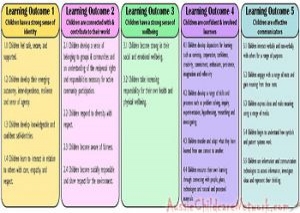 Here is the list of the EYLF Learning Outcomes that you can use as a guide or reference for your documentation and planning. The EYLF
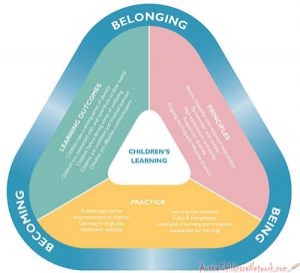 The EYLF is a guide which consists of Principles, Practices and 5 main Learning Outcomes along with each of their sub outcomes, based on identity,
 This is a guide on How to Write a Learning Story. It provides information on What Is A Learning Story, Writing A Learning Story, Sample
 One of the most important types of documentation methods that educators needs to be familiar with are “observations”. Observations are crucial for all early childhood
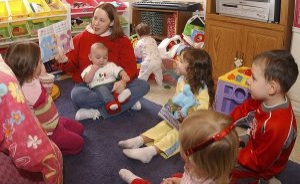 To support children achieve learning outcomes from the EYLF Framework, the following list gives educators examples of how to promote children's learning in each individual
 Reflective practice is learning from everyday situations and issues and concerns that arise which form part of our daily routine while working in an early
 When observing children, it's important that we use a range of different observation methods from running records, learning stories to photographs and work samples. Using
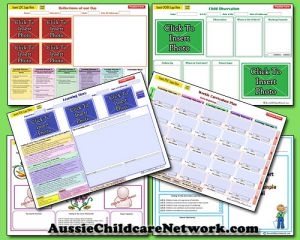 Within Australia, Programming and Planning is reflected and supported by the Early Years Learning Framework. Educators within early childhood settings, use the EYLF to guide
 This is a guide for educators on what to observe under each sub learning outcome from the EYLF Framework, when a child is engaged in
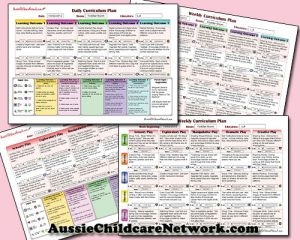 The Early Years Learning Framework describes the curriculum as “all the interactions, experiences, activities, routines and events, planned and unplanned, that occur in an environment