February is a month rich with opportunities to celebrate kindness, culture, science, and community. By weaving these events into programming, educators can inspire children’s curiosity, empathy, and creativity. Activities below connect to the EYLF Outcomes, encouraging identity, well-being, communication, and contribution to the world.
Month-long Observance
- Feel Good February
- Activity Ideas:
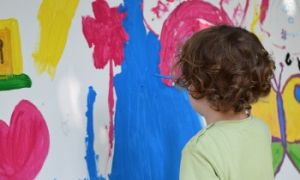
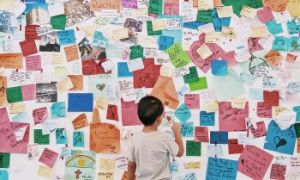
- Gratitude wall: children draw or write things that make them feel good.
- Kindness jar: add notes of kind acts observed each day.
- Yoga and mindfulness sessions for wellbeing.
- EYLF Outcomes: Outcome 1 (identity), Outcome 3 (wellbeing).
- Activity Ideas:
Daily & Weekly Events
-
1 Feb – World Hijab Day
- Dress-up corner with scarves for imaginative play.
- Storytime about cultural pride and respect.
- Outcome 1 (identity), Outcome 2 (community).
-
2 Feb – World Wetlands Day
- Water play with toy animals and plants.
- Create a “mini wetland” sensory tray.
- Outcome 2 (environmental connection), Outcome 4 (exploration).
-
4–10 Feb – Healthy Lunchbox Week
- Children design their own “dream lunchbox” with drawings.
- Cooking demo: fruit skewers or veggie wraps.
- Outcome 3 (healthy habits), Outcome 4 (problem-solving).
-
4 Feb – World Cancer Day
- Focus on empathy: “helping hands” mural with handprints.
- Simple discussions about caring for others.
- Outcome 1 (identity), Outcome 2 (community).
-
5 Feb – World Nutella Day
- Pretend play bakery corner.
- Cooking: make simple chocolate spread alternatives.
- Outcome 3 (wellbeing), Outcome 4 (role play).
-
6 Feb – Waitangi Day (NZ)
- Explore Māori art patterns.
- Music and dance inspired by New Zealand culture.
- Outcome 1 (cultural identity), Outcome 2 (community).
-
7 Feb – Safer Internet Day
- Role play: “safe sharing online” with toy computers.
-
8 Feb – International Purple Hijab Day
- Purple craft day (collages, paintings).
- Talk about respect and safety.
- Outcome 1 (identity), Outcome 2 (community).
-
9 Feb – World Pizza Day & International Day of the Dentist
- Pizza-making with paper toppings.
- Dentist role play with mirrors and toothbrushes.
- Outcome 3 (wellbeing), Outcome 4 (creative play).
-
11 Feb – International Day of Women and Girls in Science
- Science corner: simple experiments (volcano, floating objects).
- Storytime about famous women scientists.
- Outcome 4 (learning), Outcome 5 (communication).
-
12 Feb – Darwin Day & Red Hand Day
- Nature walk and observation journals.
- Handprint art symbolizing peace.
- Outcome 2 (environment), Outcome 1 (identity).
-
13 Feb – Anniversary of Apology & World Radio Day
- Reflective storytelling about fairness and respect.
- Create “radio shows” with microphones and role play.
- Outcome 2 (community), Outcome 5 (communication).
-
14 Feb – Valentine’s Day, Book Giving Day, Library Lovers’ Day
- Heart crafts and friendship bracelets.
- Book swap corner.
- Library role play.
- Outcome 1 (identity), Outcome 5 (communication).
-
17 Feb – Random Acts of Kindness Day & Lunar New Year
- Kindness bingo: children complete small kind acts.
- Lunar New Year crafts: lanterns, dragon dance ribbons.
- Outcome 1 (identity), Outcome 2 (cultural pride).
-
20 Feb – Love Your Pet Day & World Day of Social Justice
- Pet role play with stuffed animals.
- Circle time on fairness and kindness.
- Outcome 3 (wellbeing), Outcome 2 (community).
-
21 Feb – Mother Language Day & Sydney Mardi Gras
- Language exploration: greetings in different languages.
- Rainbow crafts celebrating diversity.
- Outcome 1 (identity), Outcome 2 (community).
-
22 Feb – World Thinking Day
- Group reflection: “What makes a good friend?”
- Team-building games.
- Outcome 2 (community), Outcome 4 (collaboration).
-
26 Feb – Tell a Fairy Tale Day
- Puppet shows of classic fairy tales.
- Children create their own fairy tale endings.
- Outcome 5 (communication), Outcome 4 (creativity).
-
27 Feb – Beautiful Birthday Festival
- Birthday role play with pretend cakes.
- Celebrate children’s individuality.
- Outcome 1 (identity), Outcome 3 (wellbeing).
-
28 Feb – Summer’s Day Kid Safe
- Safety role play: crossing the road, sun safety.
- Create posters about safe summer play.
- Outcome 2 (community), Outcome 3 (wellbeing).
Further Reading
February Calendar Of Events 2026
Please like/follow our Aussie Childcare Network Facebook page to receive events and celebration activity ideas, resources and documentation templates for child portfolios, and more.


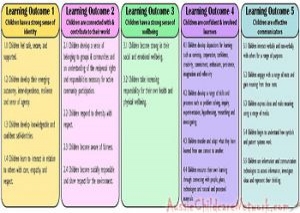 Here is the list of the EYLF Learning Outcomes that you can use as a guide or reference for your documentation and planning. The EYLF
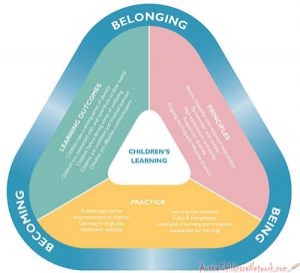 The EYLF is a guide which consists of Principles, Practices and 5 main Learning Outcomes along with each of their sub outcomes, based on identity,
 This is a guide on How to Write a Learning Story. It provides information on What Is A Learning Story, Writing A Learning Story, Sample
 One of the most important types of documentation methods that educators needs to be familiar with are “observations”. Observations are crucial for all early childhood
 To support children achieve learning outcomes from the EYLF Framework, the following list gives educators examples of how to promote children's learning in each individual
 Reflective practice is learning from everyday situations and issues and concerns that arise which form part of our daily routine while working in an early
 When observing children, it's important that we use a range of different observation methods from running records, learning stories to photographs and work samples. Using
 Within Australia, Programming and Planning is reflected and supported by the Early Years Learning Framework. Educators within early childhood settings, use the EYLF to guide
 This is a guide for educators on what to observe under each sub learning outcome from the EYLF Framework, when a child is engaged in
 The Early Years Learning Framework describes the curriculum as “all the interactions, experiences, activities, routines and events, planned and unplanned, that occur in an environment