Quality Area 5 of the National Quality Standard focuses on Relationships with Children, ensuring that interactions are respectful and responsive and promote children’s sense of security and belonging. Below are practical examples of how this can be implemented in the workplace.
Respectful and Equitable Relationships (Element 5.1.1)
Educators build warm, trusting relationships with each child.
Example: Greeting each child by name at arrival, acknowledging their emotions, and offering comfort when needed.
Responsive Engagement (Element 5.1.2)
Educators respond sensitively to children’s cues and needs.
Example: Noticing when a child withdraws during group play and gently inviting them to join in a way that respects their pace.
Positive Interactions (Element 5.2.1)
Children are supported to develop self-regulation and social skills.
Example: Modeling calm language during conflicts and guiding children to express feelings with “I” statements.
Collaborative Learning (Element 5.2.2)
Children are encouraged to work together and build friendships.
Example: Setting up cooperative games where children share resources and solve challenges as a team.
Supporting Agency and Voice (Element 5.2.3)
Children’s ideas and choices are respected in decision-making.
Example: Allowing children to vote on the next storybook or choose materials for an art project.
How Can I Evaluate These Practices?
Evaluating Quality Area 5 involves reflection, observation, and feedback to ensure relationships are nurturing and respectful.
- Self-Assessment and Reflection
Example: Journaling about how you responded to children’s emotions during the day. - Observations and Documentation
Example: Recording peer interactions in learning stories to track social development. - Feedback from Families and Children
Example: Asking families how their child talks about friendships at home. - Peer and Mentor Reviews
Example: Inviting colleagues to observe group times and provide feedback on interaction strategies. - Alignment with Frameworks
Example: Linking practices to EYLF principles of secure, respectful, and reciprocal relationships. - Quality Improvement Plan (QIP) Example: Identifying strategies to strengthen peer conflict resolution and documenting progress.



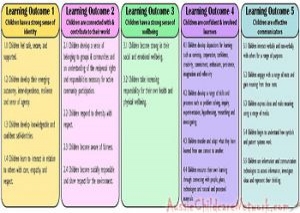 Here is the list of the EYLF Learning Outcomes that you can use as a guide or reference for your documentation and planning. The EYLF
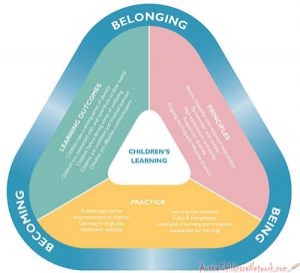 The EYLF is a guide which consists of Principles, Practices and 5 main Learning Outcomes along with each of their sub outcomes, based on identity,
 This is a guide on How to Write a Learning Story. It provides information on What Is A Learning Story, Writing A Learning Story, Sample
 One of the most important types of documentation methods that educators needs to be familiar with are “observations”. Observations are crucial for all early childhood
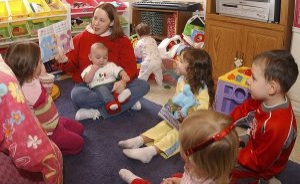 To support children achieve learning outcomes from the EYLF Framework, the following list gives educators examples of how to promote children's learning in each individual
 Reflective practice is learning from everyday situations and issues and concerns that arise which form part of our daily routine while working in an early
 When observing children, it's important that we use a range of different observation methods from running records, learning stories to photographs and work samples. Using
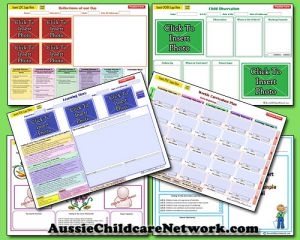 Within Australia, Programming and Planning is reflected and supported by the Early Years Learning Framework. Educators within early childhood settings, use the EYLF to guide
 This is a guide for educators on what to observe under each sub learning outcome from the EYLF Framework, when a child is engaged in
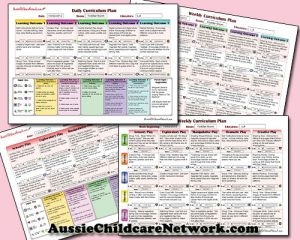 The Early Years Learning Framework describes the curriculum as “all the interactions, experiences, activities, routines and events, planned and unplanned, that occur in an environment