Preschool classrooms thrive when curiosity is celebrated. A Wonder Wall is a dynamic display space that captures children’s questions, observations, and discoveries. More than decoration, it becomes a living documentation of inquiry—showcasing the learning journey, encouraging reflection, and linking everyday experiences to broader concepts. Wonder Walls empower children to see themselves as thinkers, researchers, and contributors to knowledge.
What is a Wonder Wall?
A Wonder Wall is a classroom display where children’s questions, ideas, and findings are collected and shared. It often includes:
- Sticky notes or cards with children’s “I wonder…” statements.
- Photos of children engaged in exploration.
- Drawings, artifacts, or samples of work.
- Teacher prompts that scaffold deeper thinking.
- Sections such as What We Know, What We Learned, and What We Wonder.
This structure makes learning visible and positions children’s voices at the center of the curriculum.
Why Use Wonder Walls in Preschool?
- Encourages Inquiry: Children learn that questions are valuable and drive exploration.
- Supports Reflection: Displays help children revisit ideas and notice growth in their thinking.
- Builds Community: Shared wondering fosters collaboration and collective problem-solving.
- Connects Home and School: Families can see the evolving learning journey and contribute insights.
- Promotes Agency: Children feel ownership over their learning environment.
How to Implement a Wonder Wall
- Choose a Space: Dedicate a bulletin board, wall, or portable panel.
- Introduce the Concept: Explain to children that this is a place for their questions and discoveries.
- Gather Wonders: Encourage children to voice questions during play, group time, or outdoor exploration. Record them on sticky notes or cards.
- Organise the Display: Use headings like What We Know, What We Wonder, and What We Learned.
- Add Visuals: Include photos, drawings, and artifacts to make connections tangible.
- Revisit Regularly: Use group discussions to update the wall, celebrate answered questions, and add new ones.
- Link to Projects: Allow wonders to guide investigations, experiments, and extended learning experiences.
Strategies for Effective Use
- Model Wondering: Teachers can add their own “I wonder…” notes to show curiosity.
- Use Open-Ended Prompts: Encourage deeper thinking with questions like What do you notice? or What might happen if…?
- Celebrate Partial Answers: Highlight that learning is ongoing and not all questions have immediate solutions.
- Rotate Themes: Focus on seasonal topics, children’s interests, or curriculum areas (e.g., plants, forces, community helpers).
- Encourage Peer Responses: Invite children to answer each other’s wonders, fostering dialogue and collaboration.
Linking Wonder Walls to the EYLF
The Early Years Learning Framework (EYLF) emphasises belonging, being, and becoming. Wonder Walls align beautifully with these principles:
| EYLF Outcome | Connection to Wonder Walls |
|---|---|
| Children have a strong sense of identity | Their voices and ideas are valued and displayed. |
| Children are connected with and contribute to their world | Wonders often emerge from community, nature, and cultural experiences. |
| Children have a strong sense of wellbeing | Curiosity and reflection build confidence and resilience. |
| Children are confident and involved learners | Wonder Walls promote inquiry, experimentation, and problem-solving. |
| Children are effective communicators | Questions, drawings, and shared reflections strengthen language and expression. |
Ending a Wonder Wall is just as important as starting one—it helps children see closure in their inquiry journey and reflect on what they’ve learned. Here are some effective strategies:
Photo Ideas


Ways to Conclude a Wonder Wall
-
Celebrate the Journey
Host a group discussion where children revisit their original “wonders” and compare them with what they now know. This reinforces growth and shows that questions lead to discovery. -
Highlight Key Learnings
Move answered questions into a “We Learned” section or create a summary poster. This helps children visually track progress and achievements. -
Create a Reflection Ritual
Invite children to share their favorite wonder or biggest surprise. This can be done through drawings, storytelling, or a “Wonder Circle” discussion. -
Transition to New Inquiry
Use the final stage of one Wonder Wall to spark the next. For example, if the wall was about plants, children’s lingering questions might lead into a new wall about ecosystems. -
Family Engagement
Share photos or summaries of the completed Wonder Wall with families. This builds connection and shows how children’s voices shaped the learning.
EYLF Connections in Closure
- Outcome 1 (Identity): Children see their contributions valued and celebrated.
- Outcome 4 (Confident Learners): They recognise themselves as capable of inquiry and reflection.
- Outcome 5 (Effective Communicators): Sharing final thoughts strengthens language and expression.
Practical Tip
Think of the Wonder Wall as a story arc:
- Beginning: Provocation and questions.
- Middle: Exploration and documentation.
- End: Reflection, celebration, and transition.
This rhythm helps children understand that learning is cyclical—questions lead to answers, which spark new questions.
Wonder Walls transform preschool classrooms into spaces of inquiry, collaboration, and reflection. They honor children’s natural curiosity, make learning visible, and provide educators with a powerful tool to scaffold exploration. By linking to the EYLF, Wonder Walls become more than displays—they are catalysts for meaningful, child-led learning journeys.
Image References:
Image 1 - No Name, Pinterest
Image 1 - Twitter, Pinterest
Image 1 - Maddy Opstad, Pinterest
Image 1 - Stephanie G, Pinterest
Image 1 - Logan Finucane, Pinterest
Image 1 - No Name, Pinterest
Image 1 - Andrea Harris, Pinterest
Image 1 - Sharon McGregor, Pinterest
Image 1 - No Name, Pinterest
Image 1 - Sandra Fajgier, Pinterest
Image 1 - Jody Kalnicki, Pinterest
Further Reading
Inquiry-Based Learning In Early Childhood
How To Implement a Child-Led Inquiry Map
Inquiry Based Learning For Toddlers
Child-Led Inquiry Map
Inquiry Based Learning Questions Posters



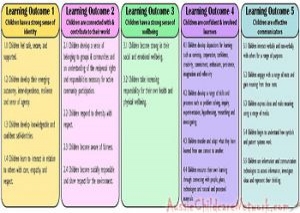 Here is the list of the EYLF Learning Outcomes that you can use as a guide or reference for your documentation and planning. The EYLF
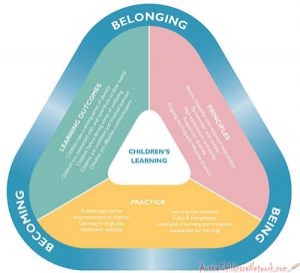 The EYLF is a guide which consists of Principles, Practices and 5 main Learning Outcomes along with each of their sub outcomes, based on identity,
 This is a guide on How to Write a Learning Story. It provides information on What Is A Learning Story, Writing A Learning Story, Sample
 One of the most important types of documentation methods that educators needs to be familiar with are “observations”. Observations are crucial for all early childhood
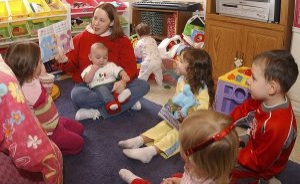 To support children achieve learning outcomes from the EYLF Framework, the following list gives educators examples of how to promote children's learning in each individual
 Reflective practice is learning from everyday situations and issues and concerns that arise which form part of our daily routine while working in an early
 When observing children, it's important that we use a range of different observation methods from running records, learning stories to photographs and work samples. Using
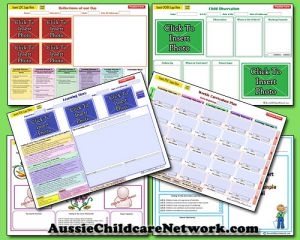 Within Australia, Programming and Planning is reflected and supported by the Early Years Learning Framework. Educators within early childhood settings, use the EYLF to guide
 This is a guide for educators on what to observe under each sub learning outcome from the EYLF Framework, when a child is engaged in
 The Early Years Learning Framework describes the curriculum as “all the interactions, experiences, activities, routines and events, planned and unplanned, that occur in an environment