Exceeding Theme 2: Practice is informed by critical reflection, this means that educators don’t just “do” quality practice—they actively think about it, question it, and refine it. Reflection is ongoing, collaborative, and embedded into the way the service operates.
What “Critical Reflection” Looks Like in OSHC
-
Ongoing dialogue: Educators regularly discuss what worked, what didn’t, and why.
-
Collaborative process: Reflection involves the whole team and often includes children and families.
-
Evidence-based: Decisions are guided by observations, documentation, and professional knowledge.
-
Visible in practice: Reflections lead to real changes in routines, activities, and policies.
-
Part of culture: Staff see reflection not as an “extra task” but as a natural part of their role.
Practical Examples in OSHC
| Area | Critical Reflection Example |
|---|---|
| Child Agency | Educators review activity participation data and discuss whether children’s voices are truly shaping the program. Adjustments are made if certain groups are underrepresented. |
| Inclusion | After each sports session, staff reflect on whether modifications supported all children equally. They brainstormed new strategies if some children were still excluded. |
| Sustainability | Reflection meetings include reviewing waste audits. Educators consider whether recycling systems are effective and explore new ways to reduce single-use items. |
| Cultural Pride | Staff reflect after cultural events, asking: Did families feel authentically represented? Were children engaged meaningfully? Feedback is gathered and used to improve future celebrations. |
| Safety & Wellbeing | Educators reflect on the use of Chill Zones—are they being accessed equitably? Are some children relying on them too heavily? Adjustments are made to balance wellbeing supports. |
| Documentation | Reflection notes are embedded in planning templates, showing how child input and educator insights shaped program changes. This demonstrates a cycle of reflection → action → review. |
Exceeding Theme 2 Across Quality Areas 1–7 in OSHC
Quality Area 1: Educational Program and Practice
Overview: Programming is shaped by reflective cycles that consider child voice, educator observations, and family input.
-
Example 1: Educators critically reflect on weekly activity schedules, asking: Did children’s choices truly shape the program?
-
Implementation: Reflection journals and team discussions ensure programming evolves with children’s interests.
-
Example 2: STEM activities are reviewed for inclusivity and engagement.
-
Implementation: Educators adjust approaches based on reflection about participation levels and outcomes.
Quality Area 2: Children’s Health and Safety
Overview: Safety practices are continuously evaluated to ensure they remain effective and relevant.
-
Example 1: After each emergency drill, educators reflect on timing, child responses, and clarity of instructions.
-
Implementation: Adjustments are made immediately, embedding reflection into safety culture.
-
Example 2: Snack routines are reviewed for nutritional balance and child independence.
-
Implementation: Reflection leads to healthier, child-led snack options.
Quality Area 3: Physical Environment
Overview: Spaces are critically assessed for accessibility, sustainability, and engagement.
-
Example 1: Educators reflect on whether outdoor zones encourage both active and quiet play.
-
Implementation: Adjustments are made to balance physical activity with calming spaces.
-
Example 2: Sustainability practices are reviewed for effectiveness.
-
Implementation: Reflection prompts new initiatives, like introducing worm farms or energy audits.
Quality Area 4: Staffing Arrangements
Overview: Reflection ensures staffing supports continuity and collaboration.
-
Example 1: Leaders reflect on rosters to ensure children experience consistent relationships.
-
Implementation: Adjustments are made to minimize staff turnover during key times.
-
Example 2: Mentoring practices are critically reviewed.
-
Implementation: Reflection leads to improved induction processes and peer support systems.
Quality Area 5: Relationships with Children
Overview: Reflection strengthens respectful, responsive interactions.
-
Example 1: Educators reflect on communication styles, asking: Did I empower children’s voices today?
-
Implementation: Adjustments are made to embed more open-ended questioning.
-
Example 2: Reflection on conflict resolution strategies ensures they are restorative, not punitive.
-
Implementation: Practices evolve to embed peer mediation and child-led solutions.
Quality Area 6: Collaborative Partnerships with Families and Communities
Overview: Reflection ensures partnerships remain meaningful and inclusive.
-
Example 1: Educators reflect on family engagement strategies, asking: Are families truly influencing programming decisions?
-
Implementation: Adjustments include more accessible communication channels (e.g., digital surveys, informal chats).
-
Example 2: Community partnerships are reviewed for relevance.
-
Implementation: Reflection leads to new collaborations with local cultural or sporting groups.
Quality Area 7: Governance and Leadership
Overview: Leadership embeds reflection into governance and continuous improvement.
-
Example 1: Leaders reflect on QIP progress during team meetings.
-
Implementation: Adjustments are made to ensure goals remain achievable and relevant.
-
Example 2: Policy reviews include reflection on whether procedures reflect current best practice.
-
Implementation: Policies evolve through collaborative reflection with staff and families.
Exceeding Theme 2 in OSHC means critical reflection is not occasional—it is embedded into every decision, routine, and interaction. By consistently questioning and refining practice, services ensure they remain responsive, inclusive, and forward-thinking. Reflection strengthens the service’s identity, empowers educators, and ensures children and families experience excellence as the everyday standard.
Further Reading
Exceeding Theme 1 in OSHC Services: Overview & Practical Examples
Program Planning In OSHC Services
Flexible Indoor Layouts In OSHC Settings
MTOP Learning Outcomes V2.0
How Educators Promote MTOP Outcomes 2.0
Principles Of The MTOP Version 2.0
Practical Activity Examples Linked To The MTOP Framework
How Children Achieve MTOP Outcomes V2.0



 Here is the list of the EYLF Learning Outcomes that you can use as a guide or reference for your documentation and planning. The EYLF
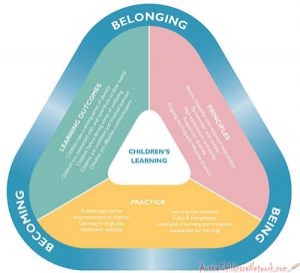 The EYLF is a guide which consists of Principles, Practices and 5 main Learning Outcomes along with each of their sub outcomes, based on identity,
 This is a guide on How to Write a Learning Story. It provides information on What Is A Learning Story, Writing A Learning Story, Sample
 One of the most important types of documentation methods that educators needs to be familiar with are “observations”. Observations are crucial for all early childhood
 To support children achieve learning outcomes from the EYLF Framework, the following list gives educators examples of how to promote children's learning in each individual
 Reflective practice is learning from everyday situations and issues and concerns that arise which form part of our daily routine while working in an early
 When observing children, it's important that we use a range of different observation methods from running records, learning stories to photographs and work samples. Using
 Within Australia, Programming and Planning is reflected and supported by the Early Years Learning Framework. Educators within early childhood settings, use the EYLF to guide
 This is a guide for educators on what to observe under each sub learning outcome from the EYLF Framework, when a child is engaged in
 The Early Years Learning Framework describes the curriculum as “all the interactions, experiences, activities, routines and events, planned and unplanned, that occur in an environment