Early childhood education is guided by philosophy—the beliefs and values that shape how we teach, care, and create environments for children. But philosophy is not just words on paper. When we talk about “philosophy in action", we mean bringing those values to life in everyday practice so children, families, and educators experience them meaningfully.
What Does “Philosophy in Action” Mean?
Philosophy in action is about translating guiding principles into daily routines, interactions, and curriculum decisions. For example:
- If your service philosophy values play-based learning, you ensure children have time, space, and resources for open-ended play.
- If your philosophy emphasises sustainability, you embed recycling, gardening, and conservation practices into the programme.
- If your philosophy highlights inclusion, you adapt experiences to reflect diverse cultures, abilities, and family structures.
It’s about consistency: what you say in your philosophy statement should be visible in the way your service operates.
How to Do This in Practice
-
Reflect on your philosophy
- Break down key values (e.g., respect, curiosity, belonging).
- Ask: How do we show this value in our daily routines?
-
Embed values into routines
- Morning welcomes that emphasize belonging.
- Mealtimes that encourage independence and healthy choices.
- Outdoor play that fosters curiosity and risk-taking.
-
Link philosophy to documentation
- When writing observations, connect children’s learning back to your philosophy.
- Use philosophy statements to guide planning decisions.
-
Involve children
- Invite them to co-create classroom rules (respect, kindness).
- Engage them in sustainability projects (watering plants, sorting recyclables).
- Encourage them to share cultural traditions or family stories.
Photo Ideas


Strategies to Get Children Involved
- Choice and agency: Allow children to choose activities that reflect their interests.
- Voice and participation: Include children in decision-making (e.g., setting up play spaces).
- Practical projects: gardening, cooking, recycling, or art projects that embody service values.
- Storytelling and reflection: Use group discussions to connect experiences back to values like respect, fairness, and curiosity.
Why It Matters
Philosophy in action ensures that services are not just compliant but authentic. It builds trust with families, strengthens educator practice, and most importantly, gives children a consistent, values-driven environment where they can thrive socially, emotionally, and intellectually.
Image References:
Image 1—Civic Avenue Early Learning
Image 2—Kristy Ward, Pinterest
Image 3—Natalie Wilson, Pinterest
Image 4—Katedrew, Pinterest
Image 5—Rosie Polis, Pinterest
Image 6—No Name, Pinterest
Image 7 - Harmony West Burleigh
Image 8—St Helena Early Learning
Image 9—Bei Bambini, Pinterest
Image 10—Mandy Lynch, Pinterest
Image 11—No Name, Pinterest
Further Reading
Service Philosophy In Early Childhood Services
Strategies To Involve Educators In Centre Philosophy
Writing A Personal Philosophy For Childcare



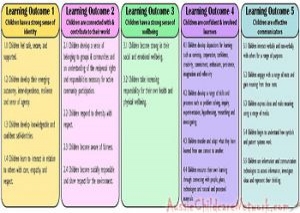 Here is the list of the EYLF Learning Outcomes that you can use as a guide or reference for your documentation and planning. The EYLF
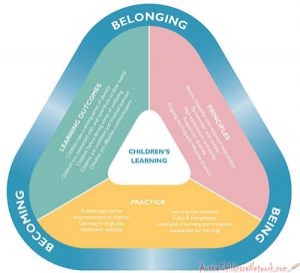 The EYLF is a guide which consists of Principles, Practices and 5 main Learning Outcomes along with each of their sub outcomes, based on identity,
 This is a guide on How to Write a Learning Story. It provides information on What Is A Learning Story, Writing A Learning Story, Sample
 One of the most important types of documentation methods that educators needs to be familiar with are “observations”. Observations are crucial for all early childhood
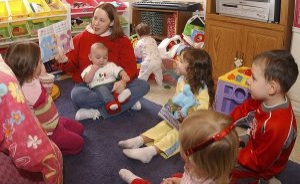 To support children achieve learning outcomes from the EYLF Framework, the following list gives educators examples of how to promote children's learning in each individual
 Reflective practice is learning from everyday situations and issues and concerns that arise which form part of our daily routine while working in an early
 When observing children, it's important that we use a range of different observation methods from running records, learning stories to photographs and work samples. Using
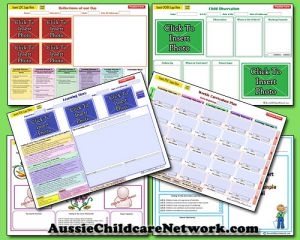 Within Australia, Programming and Planning is reflected and supported by the Early Years Learning Framework. Educators within early childhood settings, use the EYLF to guide
 This is a guide for educators on what to observe under each sub learning outcome from the EYLF Framework, when a child is engaged in
 The Early Years Learning Framework describes the curriculum as “all the interactions, experiences, activities, routines and events, planned and unplanned, that occur in an environment