Across OSHC services, educators and leaders are voicing the same challenge: how do we meet documentation requirements with limited staff without drowning in double-handling or excessive detail?
The Shared Struggle
Many educational leaders describe documentation as an “absolute headache.” With small teams, the pressure to produce detailed plans, observations, and compliance records can feel overwhelming. The frustration isn’t about avoiding accountability, it’s about finding sustainable, meaningful methods that don’t burn out staff or reduce time with children.
Practical Documentation Examples
1. Daily Snapshot Sheets
- One-page sheet where educators quickly note:
- Attendance highlights (e.g., new child, absences)
- Key activities engaged in
- Any incidents or well-being notes
- Acts as a “memory jogger” for weekly reflections without needing long narratives.
2. Learning Outcome Wall
- A visible wall chart with MTOP outcomes.
- Educators add sticky notes or photos under outcomes during the week.
- At week’s end, these notes are collated into the program plan.
3. Child Voice Journals
- A notebook or binder where children write or draw activity ideas.
- Educators transfer these into the program plan, showing agency without needing separate forms.
4. Quick Reflection Cards
- Laminated cards with prompts like:
- “What did children enjoy today?”
- “What challenges arose?”
- “What’s next?”
- Educators jot answers at the end of each session, then file them weekly.
5. Photo Voice
-
Children take photos of activities they enjoy.
-
Educators add captions linking to EYLF outcomes.
-
Provides authentic evidence of engagement.
Child Input in OSHC Documentation
1. Suggestion Box / Idea Wall
- Children write or draw activity ideas on slips of paper or sticky notes.
- Educators collect these weekly and add them into the program plan.
- Shows visible evidence of agency without needing long forms.
2. DJ of the Day / Activity Leader
- One child per session chooses a song or activity from an approved list.
- Rotates daily to avoid squabbles.
- Educators record the choice in the program plan as “child-led input.”
3. Photo Voice
- Children take photos of activities they enjoy.
- Educators print or upload them with short captions linking to EYLF outcomes.
- Provides authentic evidence of engagement and choice.
4. Reflection Circles
- At the end of ASC, children share one thing they liked and one thing they’d change.
- Educators jot these on a reflection sheet.
- Quick, verbal, and inclusive—especially for younger children.
5. Voting Charts
- Use simple charts (tick boxes, stickers, magnets) for children to vote on preferred activities.
- Results are documented in the weekly plan.
- Avoids arguments and makes child voice visible.
6. Child Journals
- A shared notebook where children draw or write about what they enjoyed.
- Educators transfer highlights into the program plan.
- Builds a sense of ownership and continuity.
7. Activity Evaluation Cards
- After a special activity, children complete a quick card:
- “I liked…”
- “I learned…”
- “Next time…”
- Cards are filed as evidence of child reflection.
8. Peer-Led Clubs
- Children form small “clubs” (e.g., Lego club, dance club).
- Educators document club activities as child-initiated projects.
- Encourages leadership and collaboration.
9. Child Journals
-
Shared notebook where children draw or write about what they enjoyed.
-
Educators transfer highlights into the program plan.
10. Rotation of Responsibility
-
Director drafts program → Educational Leader reviews → Educators add reflections.
-
Divides workload fairly and ensures accountability.
12. Visual Documentation
-
Photos of activities with short captions linked to EYLF outcomes.
-
Displayed in the room or uploaded digitally for families.
Why This Works
- Authentic Voice: Children’s ideas are captured in their own words or actions.
- Visible Evidence: Documentation shows agency without excessive paperwork.
- Inclusive: Methods work for different ages and abilities.
- Balanced: Keeps compliance strong while maintaining a play-based focus.
Strategies Emerging in the Sector
- Weekly Reflection Boards: Quick notes on what worked, what didn’t, and what children enjoyed—visible to staff and families.
- Child Voice Without Chaos: Structured choice methods (lists, rotations, group votes) that capture agency without creating conflict.
- Focus on Outcomes, Not Volume: Quality over quantity—linking activities to EYLF outcomes with short, meaningful notes rather than lengthy reports.
Reflection Prompt for Educators
- How can documentation in your service be simplified without losing depth?
- What small changes could reduce double-handling for your team?
- Where might you showcase child voice in ways that are authentic but manageable?
Documentation should serve children and educators—not overwhelm them. By sharing practical examples and sector wisdom, OSHC leaders can move from “headache” to confidence, ensuring compliance while keeping the focus on what matters most: relationships, play, and community.
Further Reading
Program Planning In OSHC Services
Flexible Indoor Layouts In OSHC Settings
MTOP Learning Outcomes V2.0
How Educators Promote MTOP Outcomes 2.0
Principles Of The MTOP Version 2.0
Practical Activity Examples Linked To The MTOP Framework
How Children Achieve MTOP Outcomes V2.0


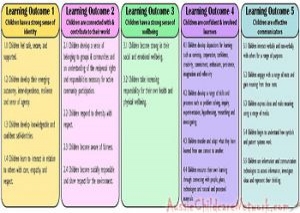 Here is the list of the EYLF Learning Outcomes that you can use as a guide or reference for your documentation and planning. The EYLF
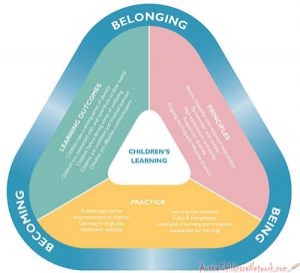 The EYLF is a guide which consists of Principles, Practices and 5 main Learning Outcomes along with each of their sub outcomes, based on identity,
 This is a guide on How to Write a Learning Story. It provides information on What Is A Learning Story, Writing A Learning Story, Sample
 One of the most important types of documentation methods that educators needs to be familiar with are “observations”. Observations are crucial for all early childhood
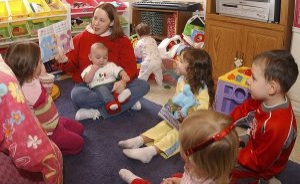 To support children achieve learning outcomes from the EYLF Framework, the following list gives educators examples of how to promote children's learning in each individual
 Reflective practice is learning from everyday situations and issues and concerns that arise which form part of our daily routine while working in an early
 When observing children, it's important that we use a range of different observation methods from running records, learning stories to photographs and work samples. Using
 Within Australia, Programming and Planning is reflected and supported by the Early Years Learning Framework. Educators within early childhood settings, use the EYLF to guide
 This is a guide for educators on what to observe under each sub learning outcome from the EYLF Framework, when a child is engaged in
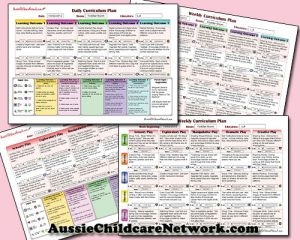 The Early Years Learning Framework describes the curriculum as “all the interactions, experiences, activities, routines and events, planned and unplanned, that occur in an environment