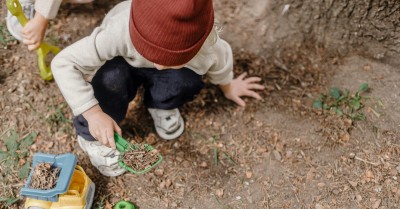
Designing outdoor spaces for little ones is about balancing safety, sensory exploration, and opportunities for growth. Babies and toddlers thrive in environments that invite curiosity while supporting their developmental milestones. Below are practical, creative ideas to guide your setup.
Safety First: Foundations of Outdoor Play
- Soft Surfaces: Use grass, rubber mats, or sand to cushion falls.
- Shaded Areas: Install pergolas, umbrellas, or natural tree cover to protect delicate skin.
- Secure Boundaries: Fencing or natural hedges ensure children can explore freely without wandering off.
Sensory Exploration Zones
- Water Play: Shallow basins, splash mats, or gentle fountains encourage tactile discovery.
- Sand & Soil Corners: Provide buckets, scoops, and natural textures for digging and pouring.
- Nature Baskets: Fill baskets with safe natural items—pinecones, smooth stones, leaves—for touch and smell experiences.
Nature-Infused Design
- Mini Gardens: Raised beds or pots with herbs and flowers let toddlers smell, touch, and water plants.
- Butterfly & Bee-Friendly Plants: Bright blooms attract pollinators, offering visual delight and early science learning.
- Edible Pathways: Plant strawberries or cherry tomatoes along borders for safe snacking.
Movement & Gross Motor Play
- Low Climbing Structures: Gentle ramps, crawl tunnels, and soft steps build strength and coordination.
- Push & Pull Toys: Wagons, toddler trikes, and carts encourage balance and exploration.
- Rolling Hills: Small grassy mounds add variety and fun to crawling or toddling.
Creative & Quiet Corners
- Outdoor Music Wall: Hang pots, pans, and safe instruments for sound exploration.
- Reading Nooks: Cushions under a tree or canopy create calm spaces for stories.
- Art Stations: Easels with washable paints or chalkboards invite creative expression.
Social & Family-Friendly Touches
- Mini Picnic Spots: Child-sized tables for snacks and group play.
- Shared Play Stations: Large blocks or communal sand pits foster cooperation.
- Observation Benches: Seating for caregivers to supervise while children play independently.
Checklist for Setup
- Safe surfacing installed
- Shade and hydration available
- Age-appropriate play zones mapped
- Natural elements integrated
- Quiet and active spaces balanced
Photo Ideas
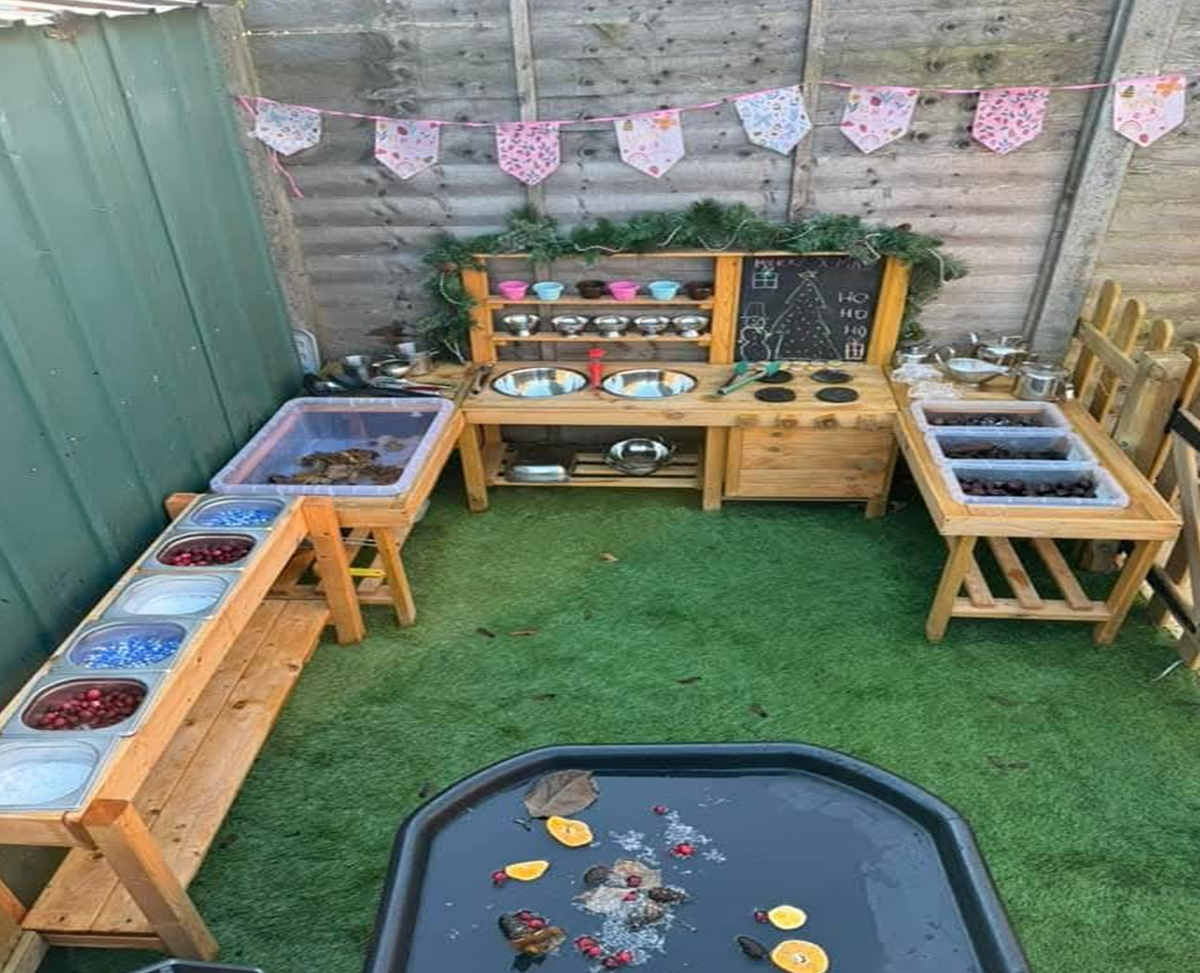
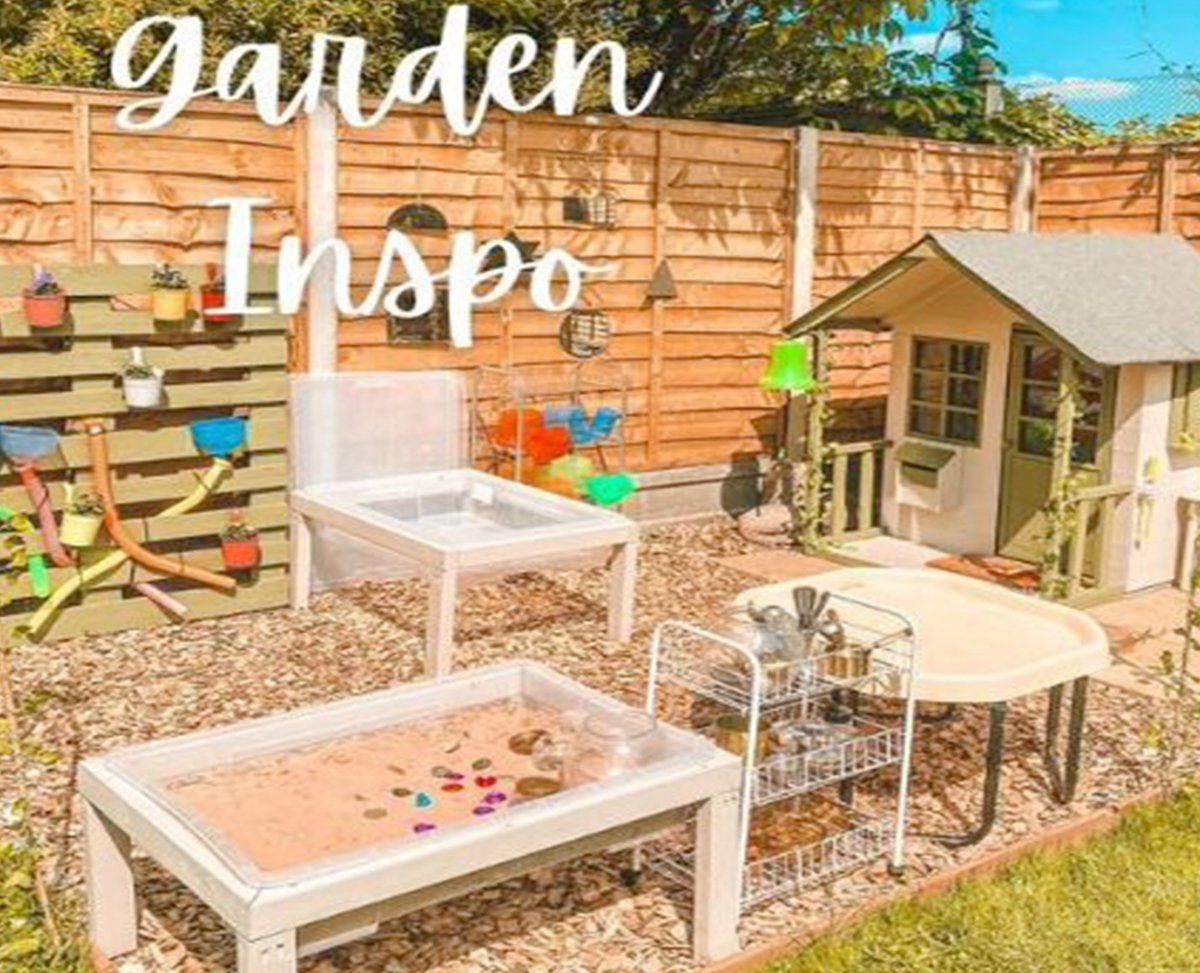
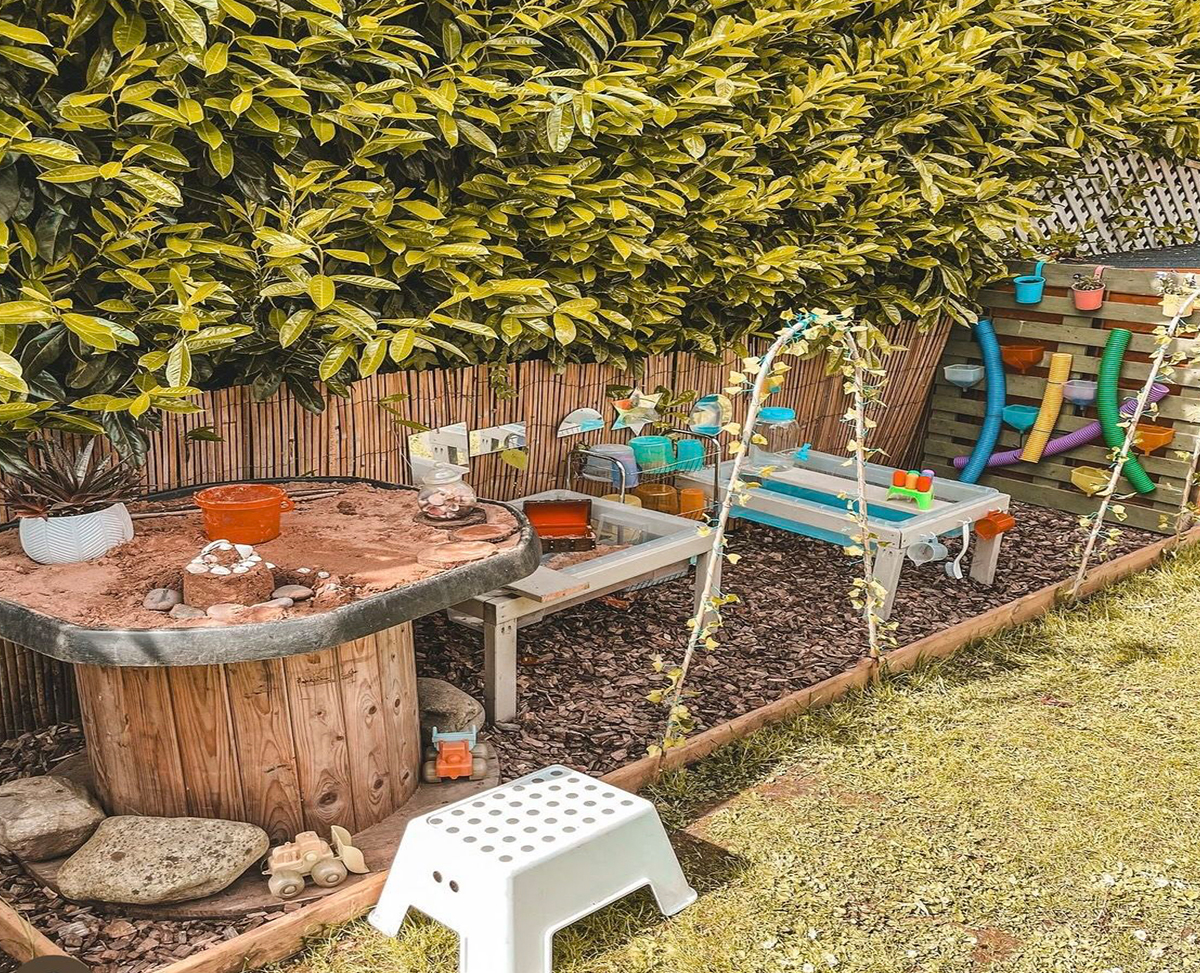
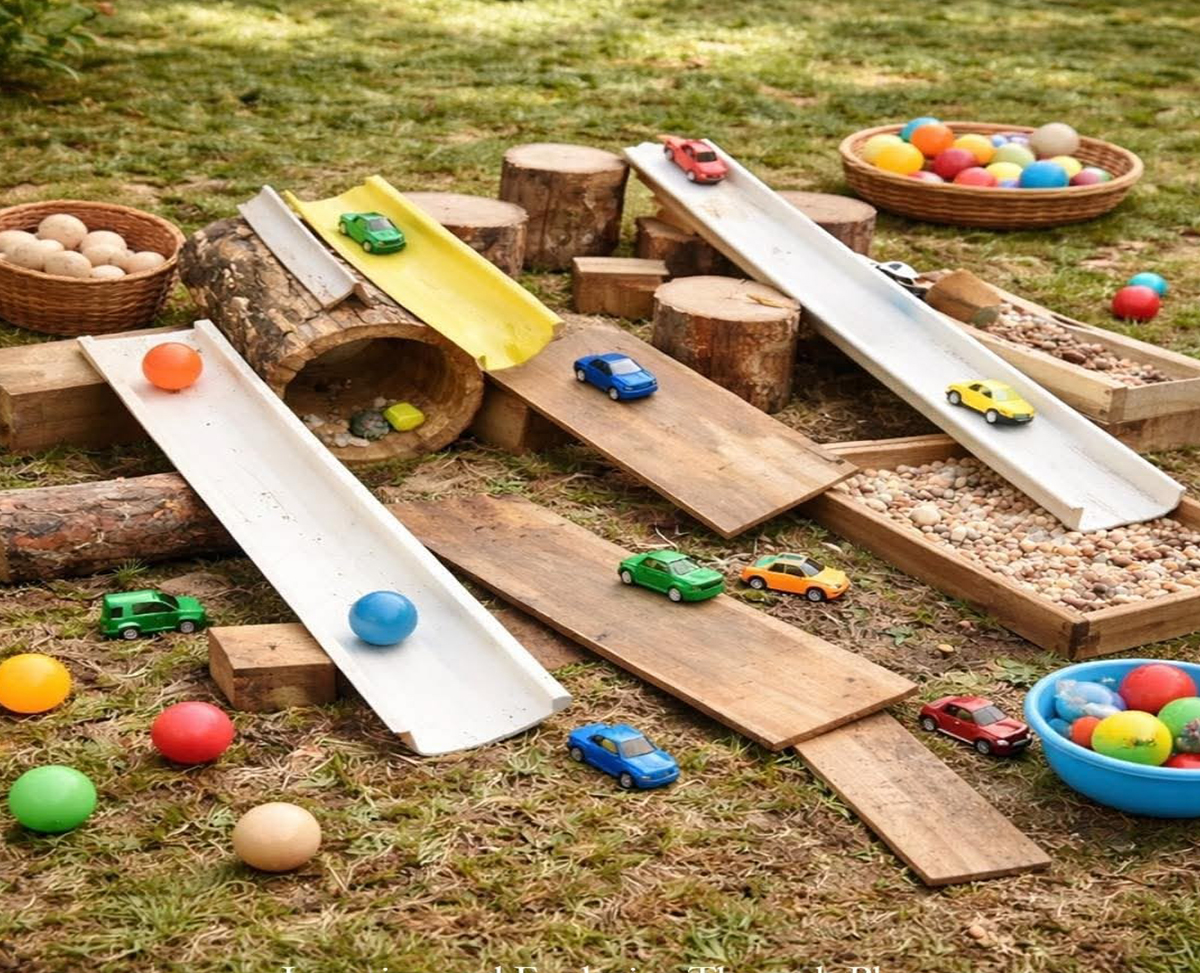
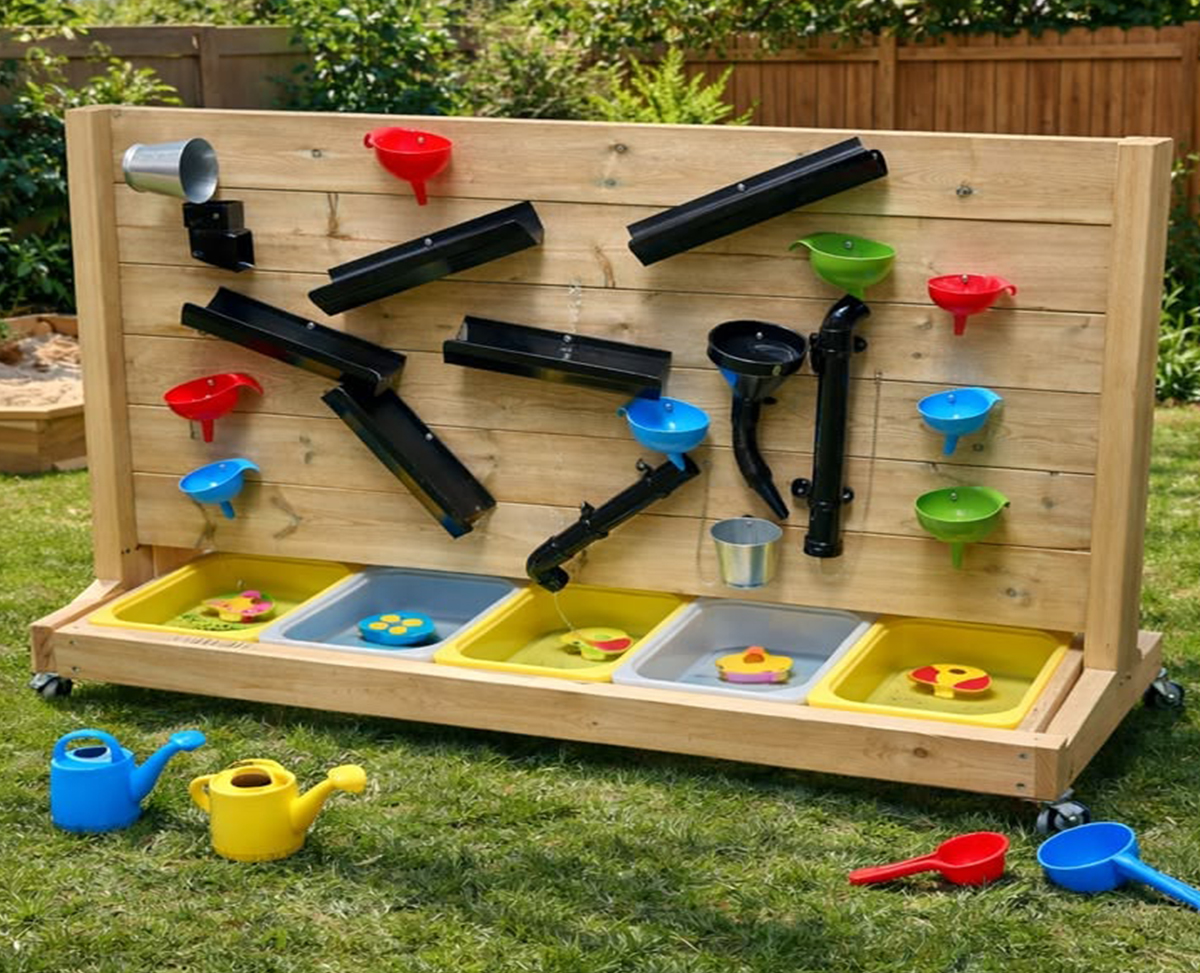
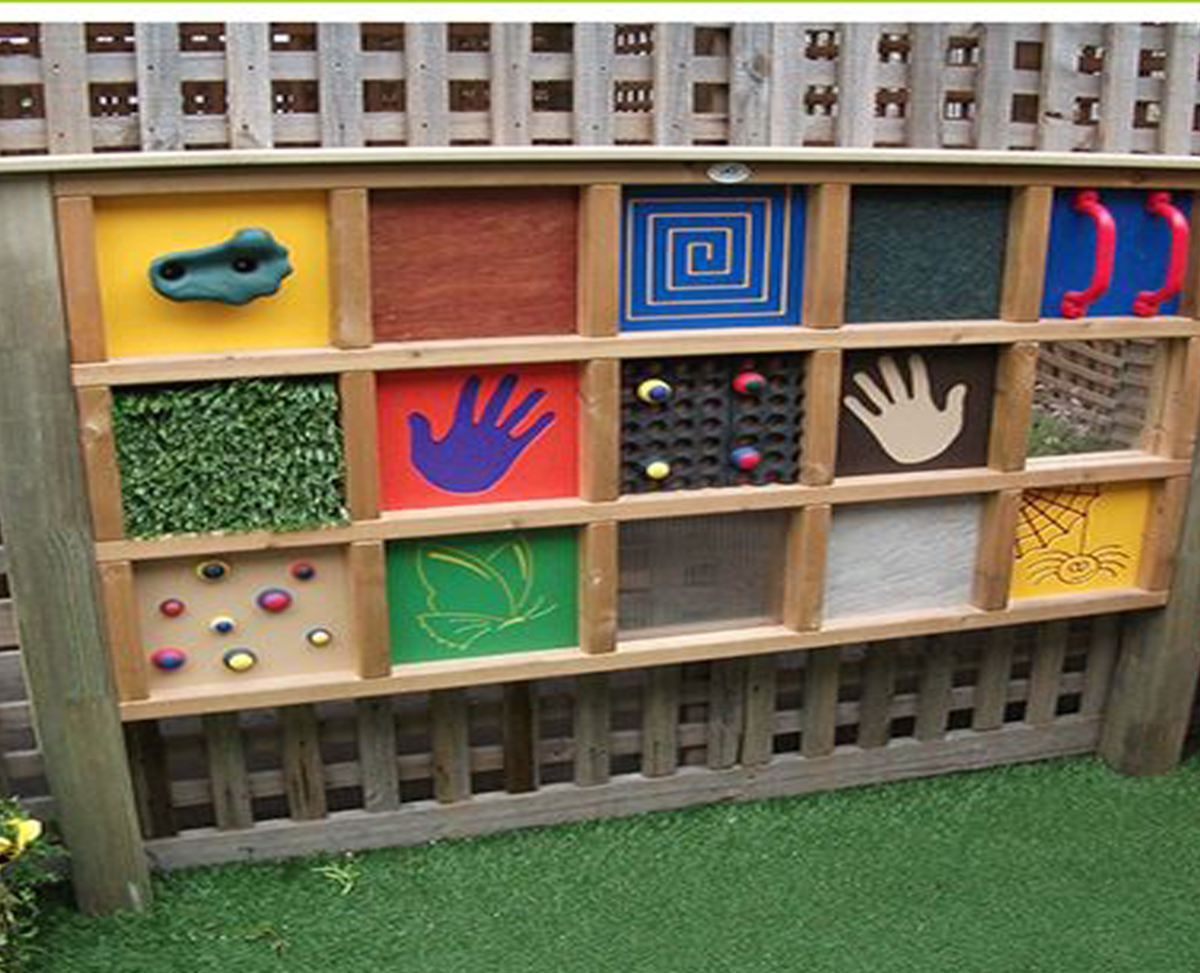
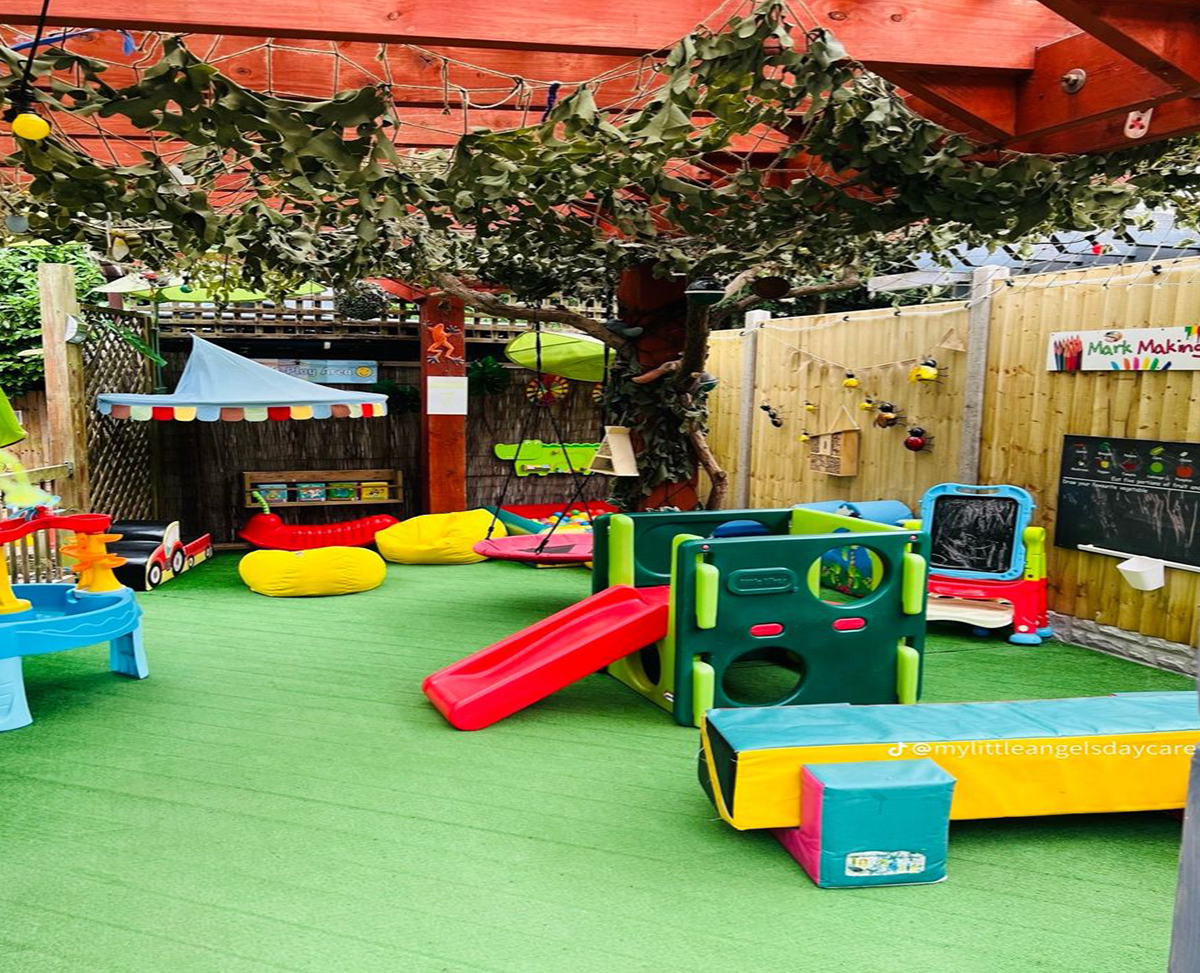
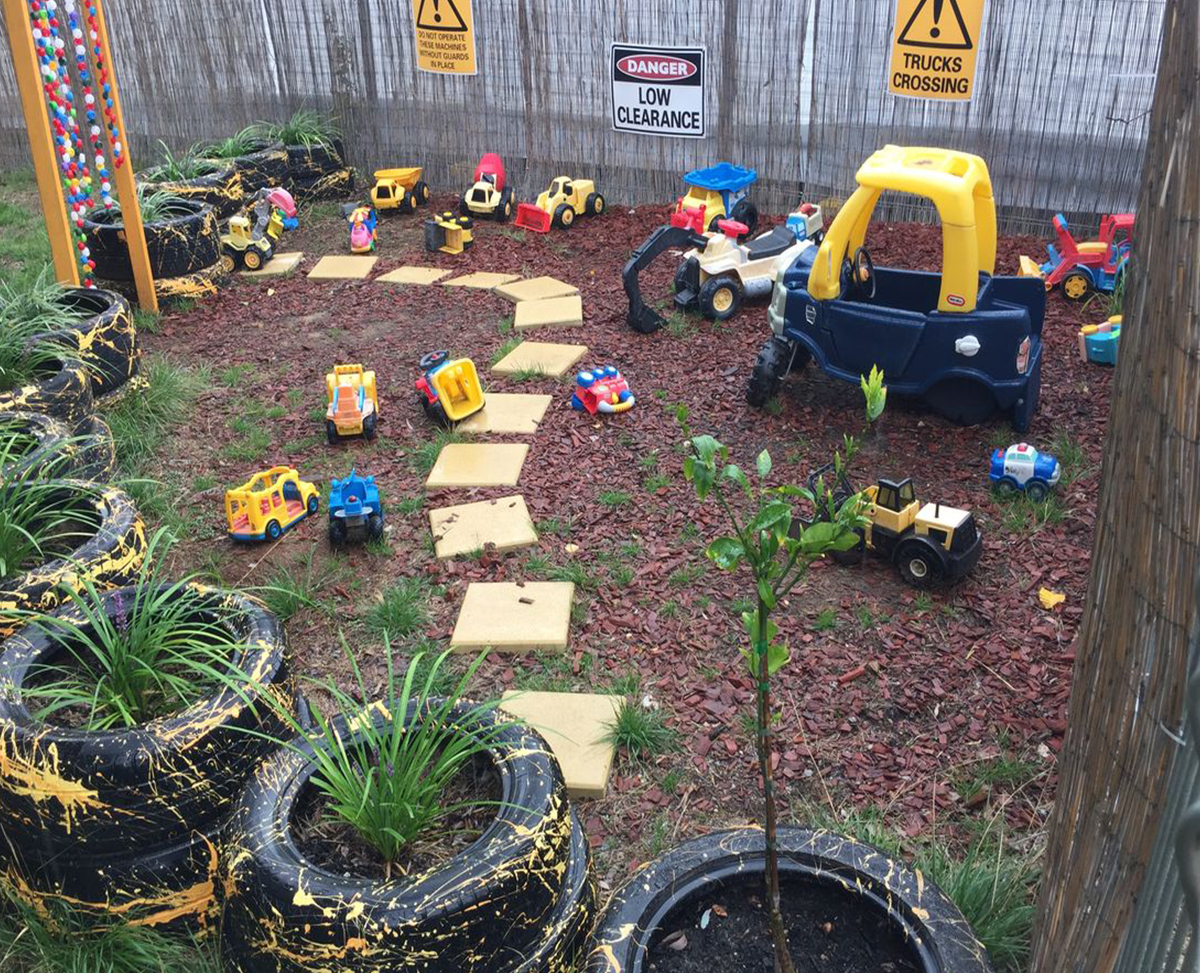
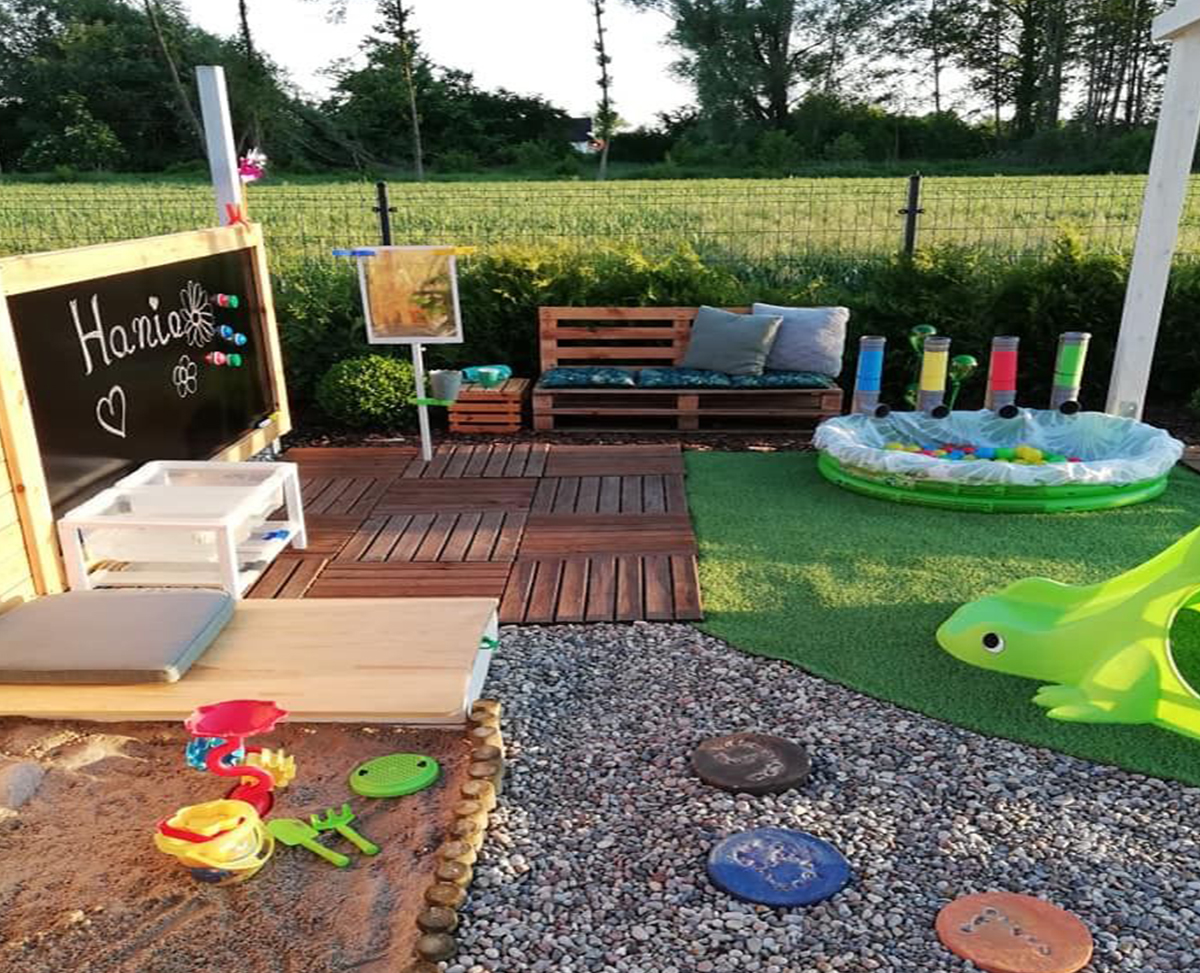
Outdoor design for babies and toddlers isn’t about grandeur—it’s about creating layered experiences where safety, nature, and play intersect. A well-planned space nurtures curiosity, independence, and joy, laying the foundation for lifelong learning.
Further Reading
Benefits Of Outdoor Area
Outdoor Play in Hot Weather
Outdoor Activities For Babies and Toddlers
Outdoor Experiences in Sustainability and Aboriginal Culture
Critical Reflection Questions For The Outdoor Learning Environment
Loose Parts Play In Outdoor Areas
Designing Engaging Outdoor Learning Spaces
Image References:
Image 1 - Bulle d'Art, Pinterest
Image 2 - Robin Hartman, Pinterest
Image 3 - Angelina, Pinterest
Image 4 - Sophie LEPRINCE, Pinterest
Image 5 - Gioco Kid, Pinterest
Image 6 - Nicole Thomas, Pinterest
Image 7 - Amy Farrugia, Pinterest
Image 8 - Julie lungu, Pinterest
Image 9 - Frenchly Moments, Pinterest
Image 10 - Madhu Jaiswal, Pinterest
Image 11 - Maison Beaumont, Pinterest




 The Children’s Services Award introduces a streamlined classification system and updated pay rates designed to better recognise the skills, qualifications, and responsibilities of early childhood
 The Children’s Services Award has 8 clear levels. These levels make it easier to understand where you fit, based on your experience, qualifications, and responsibilities.
 When working as a qualified early childhood teacher (with a university degree) within a service, your rate of pay will come from the Educational Services
 Diploma-qualified educators play a vital role in early childhood services, taking on responsibilities that range from supporting children’s learning and development to leading rooms and
 Certificate III qualified educators form the backbone of early childhood services, providing essential care and learning support for children across all settings. Their wages under
 Early Childhood Teachers (ECTs) play a vital role in leading curriculum and pedagogy in early learning settings. Regulation 272 of the Education and Care Services
 Discover how school readiness programs support children’s independence, confidence, and skills for a successful transition into primary school.
 When an Educator is not performing their tasks or responsibilities at best practice, these issues need to be addressed for the Educator to understand where
 Educators can maximise tax deductions by claiming classroom supplies, training, union fees, and home office costs this financial year.
 A staff appraisal is a formal, systematic process of determining and reviewing the performance of early childhood educators over a period of time, usually a