In OOSH services, educators are constantly looking for ways to balance energy, encourage wellbeing, and create calm transitions for children after a busy school day. Yoga in OOSH offers a simple, inclusive practice that combines movement, mindfulness, and fun. With just a few minutes of guided breathing and playful poses, children can reset their bodies and minds, helping them feel more focused, relaxed, and ready for the next activity.
Yoga doesn’t require special equipment or advanced training, just a quiet space, a willingness to try, and a few child‑friendly strategies. It can be started with simple, structured routines that emphasize calm breathing, playful poses, and group-friendly activities. Begin with short sessions (10–15 minutes), focus on easy postures like “tree” or “cat-cow,” and use circle formations or mats to manage large groups effectively.
Why Yoga in OOSH?
- Stress reduction – Helps children unwind after school.
- Focus and self-regulation – Improves attention span and emotional control.
- Physical wellbeing – Builds flexibility, balance, and posture.
- Community building – Encourages teamwork and shared calm moments.
Practical Strategies for Large Groups
- Circle formation – Children sit or stand in a circle to maintain visibility and connection.
- Partner poses – Simple paired activities like “mirror breathing” or “double tree pose.”
- Story-based yoga – Link poses to a narrative (e.g., jungle animals).
- Breathing games – Use props like feathers or bubbles to teach slow breathing.
- Rotation stations – Divide the group into smaller clusters with different yoga
Embedding Yoga into OOSH Programs
- Daily transitions – Use short breathing or stretching sequences when moving between activities (e.g., after snack time, before homework).
- Mindful moments – A 5‑minute “quiet yoga” break can help reset energy levels.
- Themed sessions – Link yoga to weekly themes (nature, animals, seasons) to keep engagement fresh.
- Inclusive practice – Offer seated or simplified versions of poses so all children can participate.
Practical Strategies for Educators
- Visual pose cards – Display laminated cards so children can self‑direct.
- Music and rhythm – Use calm background tracks or rhythmic clapping to guide transitions.
- Peer leadership – Rotate “yoga leaders” who demonstrate poses to peers.
- Short sequences – Stick to 3–5 poses per session to avoid overwhelm.
- Positive reinforcement – Celebrate effort, not perfection, with affirmations like “strong tree” or “calm star.”
Managing Large Groups
- Circle or semi‑circle – Ensures visibility and reduces crowding.
- Cluster groups – Divide into smaller groups with one educator per cluster.
- Station rotation – Each station focuses on a different yoga element (breathing, balance, stretching).
- Props and visuals – Scarves, feathers, or bubbles help guide breathing and focus.
Best Ways to Get Started
- Pilot sessions– Start with one short weekly yoga activity.
- Educator training – Provide staff with simple yoga resources or workshops.
- Family engagement – Share newsletters or photos to encourage practice at home.
- Feedback loops – Ask children what poses they enjoy most to shape future sessions.
- Gradual expansion– Move from 10‑minute sessions to longer, themed practices as confidence grows.
Yoga in OOSH services is not about perfect pose, it’s about creating calm, playful, and inclusive spaces where children can stretch, breathe, and reset. With simple strategies, visual aids, and group‑friendly formats, educators can embed yoga into daily routines and watch children thrive in both body and mind.
Sample 10 Minute Yoga Plan
Here’s a 10‑minute OOSH yoga session plan for getting started with a large group of children. It’s short, simple, and easy to embed into daily routines.
10‑Minute OOSH Yoga Session Plan
1. Breathing Warm‑Up (2 minutes)
- Circle formation, seated.
- Balloon breathing – inhale to inflate belly, exhale to deflate.
- Use a feather or bubble to guide slow breaths.
2. Core Poses (5 minutes)
- Mountain pose – Stand tall, arms by side.
- Tree pose – Balance on one leg, hands together.
- Cat‑cow – On all fours, arch and dip spine.
- Star pose – Wide stance, arms stretched out.
3. Relaxation & Close (3 minutes)
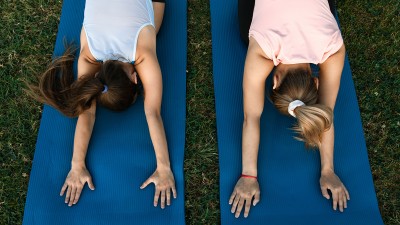
- Child’s pose – Kneel, fold forward, arms stretched.
- Guided visualization: “Imagine you are a calm starfish resting on the sand.”
- End with one deep group breath together.
Educator Tips
- Keep instructions visual and simple.
- Celebrate effort with affirmations like “strong tree” or “calm star.”
- Rotate “yoga leaders” among children to model poses.
By embedding yoga into daily routines, OOSH educators can foster resilience, self‑regulation, and a sense of community among children.
Further Reading
Benefits Of Yoga For Children
International Yoga Day Activities For Children
Yoga Asanas For Children
Yoga Poses For Children Posters
Yoga Games For Children
Yoga Colouring Pages




 The Children’s Services Award introduces a streamlined classification system and updated pay rates designed to better recognise the skills, qualifications, and responsibilities of early childhood
 The Children’s Services Award has 8 clear levels. These levels make it easier to understand where you fit, based on your experience, qualifications, and responsibilities.
 When working as a qualified early childhood teacher (with a university degree) within a service, your rate of pay will come from the Educational Services
 Diploma-qualified educators play a vital role in early childhood services, taking on responsibilities that range from supporting children’s learning and development to leading rooms and
 Certificate III qualified educators form the backbone of early childhood services, providing essential care and learning support for children across all settings. Their wages under
 Early Childhood Teachers (ECTs) play a vital role in leading curriculum and pedagogy in early learning settings. Regulation 272 of the Education and Care Services
 Discover how school readiness programs support children’s independence, confidence, and skills for a successful transition into primary school.
 When an Educator is not performing their tasks or responsibilities at best practice, these issues need to be addressed for the Educator to understand where
 Educators can maximise tax deductions by claiming classroom supplies, training, union fees, and home office costs this financial year.
 A staff appraisal is a formal, systematic process of determining and reviewing the performance of early childhood educators over a period of time, usually a