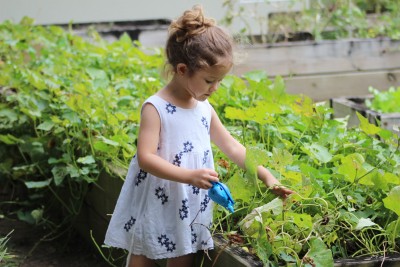
Gardening is more than a pastime; it’s a pedagogical tool that supports children’s development across multiple learning outcomes. For educators, introducing simple vegetables into the program provides opportunities for inquiry, sensory exploration, and healthy eating habits, while aligning with curriculum frameworks.
Why Gardening Matters in Early Childhood
-
Curriculum connections: Gardening links to sustainability, science, and wellbeing outcomes.
-
Social-emotional learning: Caring for plants fosters responsibility and empathy.
-
Physical development: Digging, watering, and harvesting build fine and gross motor skills.
-
Language and communication: Children learn new vocabulary through observation and discussion.
Why Gardening Works for Young Children
- Hands-on learning: Toddlers love digging, watering, and watching seeds sprout.
- Healthy eating habits: Children are more likely to taste vegetables they’ve grown themselves.
- Outdoor play: Gardening offers fresh air, movement, and sensory exploration.
Easiest Vegetables to Grow with Toddlers
-
Cherry tomatoes
Quick to sprout, colourful, and fun to pick straight from the vine. -
Carrots
Harvesting feels like a treasure hunt. Short varieties suit small spaces. -
Lettuce
Fast-growing leaves that toddlers can harvest for sandwiches or wraps. -
Beans
Climbing beans are exciting to watch grow tall and are easy to pick. -
Zucchini
Large leaves and quick growth make it visually engaging for children. -
Sweet corn
Tall stalks create a mini jungle toddlers love exploring.
Tips for Success
- Use raised beds or pots to keep plants accessible.
- Choose fast growers so children see results quickly.
- Give toddlers their own tools — small watering cans and trowels make them feel involved.
- Celebrate harvests with simple recipes like tomato salad or carrot sticks.
Whether you have a balcony, a small yard, or just a few pots, growing vegetables with toddlers is about more than food. It’s about discovery, patience, and joy. With easy crops like cherry tomatoes, beans, and lettuce, families everywhere can turn gardening into a playful, educational adventure.
Further Reading
Growing An Edible Garden For Children
Growing Vegetables Indoors In Water
Eating Healthy Theme Activities




 The Children’s Services Award introduces a streamlined classification system and updated pay rates designed to better recognise the skills, qualifications, and responsibilities of early childhood
 The Children’s Services Award has 8 clear levels. These levels make it easier to understand where you fit, based on your experience, qualifications, and responsibilities.
 When working as a qualified early childhood teacher (with a university degree) within a service, your rate of pay will come from the Educational Services
 Diploma-qualified educators play a vital role in early childhood services, taking on responsibilities that range from supporting children’s learning and development to leading rooms and
 Certificate III qualified educators form the backbone of early childhood services, providing essential care and learning support for children across all settings. Their wages under
 Early Childhood Teachers (ECTs) play a vital role in leading curriculum and pedagogy in early learning settings. Regulation 272 of the Education and Care Services
 Discover how school readiness programs support children’s independence, confidence, and skills for a successful transition into primary school.
 When an Educator is not performing their tasks or responsibilities at best practice, these issues need to be addressed for the Educator to understand where
 Educators can maximise tax deductions by claiming classroom supplies, training, union fees, and home office costs this financial year.
 A staff appraisal is a formal, systematic process of determining and reviewing the performance of early childhood educators over a period of time, usually a