May’s programming ideas are designed to be practical, adaptable, and inspiring—helping educators scaffold learning experiences that connect with children’s worlds while strengthening ties with families and communities.
Use this guide as a springboard to plan activities that are hands-on, reflective, and celebratory, ensuring that every child has the chance to explore, create, and grow throughout the month.
Monthly Observances
Mindful in May
- Create a “quiet corner” with mindfulness cards, breathing exercises, and calming music.
- Invite children to practice short guided meditations or yoga stretches.
- Fundraise with families by hosting a “Mindful Morning Tea” to support clean water initiatives.
- Mindfulness In Early Childhood Setting
- A to Z Of Mindfulness Posters
- Mindfulness Activity Cards
- Mindful Moments In A Jar
- Deep Breathing Posters
- Mindful Transitions for Educators and Children
Daily Observances
1 May – May Day / Global Love Day / Mother Goose Day
- Dance around a Maypole with ribbons.
- Create “love notes” where children draw or write something kind for a peer.
- Read classic Mother Goose rhymes and encourage children to act them out with puppets.
- Love Monster
- I Love You In Different Languages Posters
- I Love You, You Love Me
- Love Bug Shapes
- I Love You To Pieces
- I Love You Because
- What I Love About You
- Celebrating Mother Goose Day In Early Childhood Services
2 May – International Harry Potter Day / World Tuna Day
- Host a “magic day” with wand‑making crafts and spell‑themed literacy games.
- Explore ocean conservation with a tuna‑themed art project (e.g., collage of sea life).
- Potion Play
- Peaceful Potion Recipes for Young Scientists
3–9 May – International Compost Awareness Week
- Set up a compost bin in the centre and involve children in food‑scrap sorting.
- Use magnifying glasses to observe worms and soil creatures.
- Teaching Children to Reduce, Reuse and Recycle
- Reducing Food Waste In An Early Childhood Service
- Reducing Food Waste In An Early Childhood Service
4 May – Star Wars Day / Firefighters’ Day / World Laughter Day
- “May the Fourth Be With You” dress‑up day with space‑themed play.
- Invite local firefighters to visit and show equipment.
- Hold a laughter yoga session or silly joke circle.
- Teaching Through Delight: A New Lens for Early Childhood
- 10 Little Firefighters
- Teaching Children About Bushfires
- Firefighter Alphabet Match
- I'm A Little Firefighter
4–10 May – National Family Day Care Week
- Create a family tree wall where children add photos or drawings of their families.
- Share stories from family day care educators about their role in children’s lives.
5 May – World Portuguese Language Day / Kodomo no Hi / African World Heritage Day / World Hand Hygiene Day
- Teach simple Portuguese greetings and songs.
- Make carp streamers (koinobori) for Children’s Day in Japan.
- Explore African heritage through music and storytelling.
- Practice hand‑washing with glitter to show how germs spread.
7 May – Tell Your Crush Day
- Encourage children to share compliments or kind words with peers.
8 May – World Red Cross Day / Iris Day
- Role‑play first aid scenarios with toy bandages.
- Plant iris bulbs or create flower art.
8–12 May – UN Global Road Safety Week
- Set up a “road safety play zone” with toy cars, signs, and pedestrian crossings.
- Teaching Children About Road Safety
- Free Online Professional Development Road Safety Workshops
10–16 May – Food Allergy Awareness Week
- Read stories about allergies and discuss safe food practices.
- Create posters about “safe snacks” for the centre.
- Common Food Allergies In Children
10th May - Mother's Day
- Mother's Day Activities For Children
- Mother's Day DIY Gift Ideas From Babies
- Celebrating Mother's Day Inclusive Of Families Without Mothers
- Mother's Day Colouring Pages
- Mother's Day Poem
11 May – World Migratory Bird Day
- Go birdwatching or make bird feeders.
- Bird House Colour Match
- Australian Birds Posters
- Australian Birds Colouring Pages
11–18 May – National Road Safety Week
- Practice safe crossing routines during outdoor play.
- Teaching Children About Road Safety
- Free Online Professional Development Road Safety Workshops
12 May – International Nurses Day / Buddha’s Birthday
- Invite a nurse to talk about caring for others.
- Share stories of Buddha and create lotus flower crafts.
15 May – International Day of Families / Walk Safely to School Day
- Host a family picnic or storytelling session.
- Encourage families to walk together to school or care.
18 May – International Museum Day / World Baking Day
- Create a “mini museum” in the classroom with children’s collections.
- Bake simple treats together and share with families.
20 May – World Bee Day / World Metrology Day
- Build bee hotels or plant bee‑friendly flowers.
- Explore measurement with fun activities (weighing, measuring height, etc.).
- World Bee Day Activities For Children
21 May – World Day of Cultural Diversity / Outdoor Classroom Day/ Australia’s Biggest Morning Tea
- Share cultural dress‑up, food tasting, or music.
- Host a morning tea fundraiser with families.
- Take learning outdoors with nature play, gardening, or art.
- Nature Mandala
- Nature Art See Through Frames
- Nature Name Writing
- Nature Bracelets
- Nature Weavin
22 May – 65 Roses Day
- Create rose crafts to raise awareness for cystic fibrosis.
23 May – World Turtle Day
- Learn about turtles through books and documentaries.
- Make turtle crafts with recycled materials.
26 May – National Sorry Day
- Share age‑appropriate stories about reconciliation.
- Create a “hands of friendship” mural.
- Teaching Preschoolers About Apology Day
- Ideas For Introducing Apology Day For Babies and Toddlers
27 May – National Simultaneous Storytime
- Join the national reading event with children’s books.
27 May–3 June – National Reconciliation Week
- Explore Aboriginal art, music, and storytelling.
- Discuss themes of respect and unity.
31 May – Dragon Boat Festival
- Make paper dragon boats and race them in water troughs.
- Cook or taste rice dumplings with families.
Please like/follow our Aussie Childcare Network Facebook page to receive event and celebration activity ideas, resources, and documentation templates for child portfolios, and more.




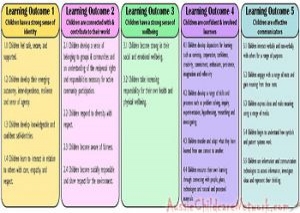 Here is the list of the EYLF Learning Outcomes that you can use as a guide or reference for your documentation and planning. The EYLF
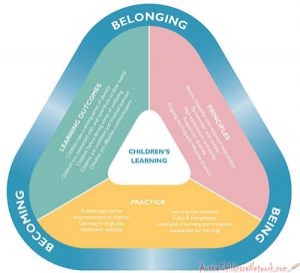 The EYLF is a guide which consists of Principles, Practices and 5 main Learning Outcomes along with each of their sub outcomes, based on identity,
 This is a guide on How to Write a Learning Story. It provides information on What Is A Learning Story, Writing A Learning Story, Sample
 One of the most important types of documentation methods that educators needs to be familiar with are “observations”. Observations are crucial for all early childhood
 To support children achieve learning outcomes from the EYLF Framework, the following list gives educators examples of how to promote children's learning in each individual
 Reflective practice is learning from everyday situations and issues and concerns that arise which form part of our daily routine while working in an early
 When observing children, it's important that we use a range of different observation methods from running records, learning stories to photographs and work samples. Using
 Within Australia, Programming and Planning is reflected and supported by the Early Years Learning Framework. Educators within early childhood settings, use the EYLF to guide
 This is a guide for educators on what to observe under each sub learning outcome from the EYLF Framework, when a child is engaged in
 The Early Years Learning Framework describes the curriculum as “all the interactions, experiences, activities, routines and events, planned and unplanned, that occur in an environment