Potion play is a form of sensory and imaginative play where children mix natural or everyday materials (like water, herbs, petals, spices, sand, or glitter) to create “potions.” It’s not about real magic but about sparking creativity, curiosity, and exploration. Children pretend their mixtures have special powers, which builds storytelling and symbolic thinking.
How to Set It Up
- Materials: Bowls, jars, spoons, pipettes, funnels, and natural items (flowers, leaves, seeds, citrus slices, herbs, and colored water).
- Space: A safe outdoor area or sensory table where spills are welcome.
- Invitations to Play: Provide labels, recipe cards, or themed prompts (e.g., “Potion for Happiness”).
- Safety: Ensure all materials are non-toxic and age-appropriate. Avoid choking hazards for younger children.
- Extension: Add storytelling props (wands, capes, scrolls) or link to books about magic and nature.
Benefits for Children
- Sensory Exploration: Engages touch, smell, sight, and sometimes sound.
- Creativity & Imagination: Children invent stories and roles around their potions.
- Problem-Solving: They experiment with combinations, ratios, and cause-effect.
- Collaboration: Potion play often becomes group work, encouraging teamwork and negotiation.
- Emotional Expression: Children can “brew” potions for feelings (calm, bravery), supporting emotional literacy.
Photo Ideas


Learning Outcomes
- STEM Skills: Measuring, mixing, observing reactions (like fizzing with baking soda + vinegar).
- Language Development: Rich vocabulary (stir, sprinkle, dissolve, magical words).
- Fine Motor Skills: Pouring, scooping, grinding, squeezing.
- Cultural Connections: Using herbs, spices, and natural materials can link to traditions and sustainability.
- Early Science Concepts: States of matter, absorption, color mixing, and transformation.
Educator’s Guide
- Role: Be a facilitator, not a director. Offer materials and prompts, then step back.
- Observation: Document children’s language, problem-solving, and social interactions.
- Reflection: Encourage children to share their potion recipes and meanings.
- Curriculum Links: EYLF/MTOP outcomes—identity, community, wellbeing, learning, communication.
- Sustainability: Use natural, biodegradable materials and discuss caring for the environment.
Materials To Use
Natural Materials
- Flower petals (rose, marigold, lavender, hibiscus)
- Leaves (eucalyptus, mint, basil, lemon balm)
- Herbs & spices (cinnamon sticks, cloves, rosemary, turmeric)
- Seeds & pods (sunflower seeds, gumnuts, pinecones)
- Citrus slices (orange, lemon, lime)
- Pebbles, shells, sand
Liquids & Sensory Bases
- Water (plain, colored with food dye, or scented with herbs)
- Vinegar (for fizzing reactions)
- Baking soda (to combine with vinegar)
- Cornflour mixed with water (oobleck texture)
- Soap bubbles or foam
Tools & Containers
- Jars, bowls, cups, and small bottles
- Wooden spoons, ladles, scoops
- Funnels, sieves, strainers
- Pipettes, droppers, syringes (without needles)
- Mortar and pestle (for grinding herbs)
Creative Additions
- Natural colorants (beetroot juice, turmeric, spirulina powder)
- Glitter alternatives (biodegradable confetti, flower petals)
- Chalk dust or crushed colored stones
- Essential oils (child-safe, like lavender or orange)
Play Enhancements
- Potion recipe cards (blank or with prompts like “Potion for Courage”)
- Labels and jars for potion storage
- Storybooks about magic, witches, or nature
- Props (wands, capes, scrolls, treasure chests)
Educator Tips
- Rotate materials weekly to keep play fresh.
- Encourage children to narrate their potion-making process.
- Link potions to emotions (“Potion for Calm”) or sustainability (“Potion for Caring for Nature”).
- Document children’s language and problem-solving for curriculum evidence.
- Always check materials for safety and allergies.
Image References
Image 1 - The Rural Headteacher, Pinterest
Image 2 - Fisher Tales, Pinterst
Image 3 - Kim Hart, Pinterest
Image 4 - Yellow Door Education, Pinterest
Image 5 - Alisha Pogson, Pinterest
Image 6 - Miss Liz, Pinterest
Image 7 - Melanie Tuffill, Pinterest
Image 8 - Katie, Pinterest
Image 9 - Laura Hossin, Pinterest
Image 10 - Angelina, Pinterest
Image 11 - Scholar's Choice, Pinterest
Image 12- Donna Wibberley, Pinterest
Image 13- Lucy Merrick, Pinterest
Image 14 - Lauren Rutledge, Pinterest
Image 15 - Adela Caruso, Pinterest

 Open ended questions cannot be responded to with one word answers such as yes or no. These types of questions enables a child to provide
 During your child’s preschool years, an important milestone begins to emerge. This is the development of pre-writing skills. Pre-writing skills are used to encourage, develop
 An Acknowledgment of the Country is a way of showing respect for the Traditional Owners and can be given by both non-Indigenous people and Aboriginal
 Open ended materials enables children to play freely. They are objects that have no rules to follow, use or function. Raw materials that can be
 Language plays an important role in a child’s development. It enables a child to communicate effectively with their family, learn at school, socialize with friends,
 Like adults, children have to deal with their own stress in life. Moving house, starting a new school, preparing for a new sibling - these are
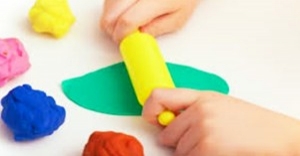 Playdough is such a versatile material. It provides numerous benefits to children as they manipulate it, it is safe and soothing and provides children with
 Teaching children about sustainability enables them to appreciate and respect the natural environment. Early childhood services can provide meaningful hand on learning experiences in order
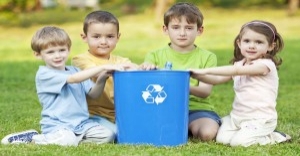 Recycling is an important concept that teaches children to care for the environment. It encourages children to be responsible and show a growing appreciating for
 Incursions provide children with the opportunity to explore meaningful learning experiences in the comfort of their early childhood service. The following provides a directory of