



A growing movement of educators, researchers, and sector advocates is reclaiming the emotional heart of early learning—where delight, wonder, and connection are not side effects but central outcomes.
In a world increasingly driven by metrics, compliance, and performance benchmarks, early childhood education stands at a crossroads. The question is no longer just “Are we meeting standards?” but “Are we nurturing joy?
What's Happening
Recent Australian research is unlocking what many educators have long known intuitively: joy is teachable, observable, and transformative. When children experience delight—whether through play, discovery, or relational warmth—their brains light up with possibility. These moments aren’t just “nice to have”; they’re foundational to cognitive, emotional, and social development.
Educators, too, thrive in environments where joy is visible and valued. The science of delight reminds us that emotional resonance is not a distraction from learning—it’s the very soil in which learning grows.
Traditional frameworks often prioritize documentation, compliance, and outcomes. But what if we measured success by the frequency of laughter, the sparkle in a child’s eye, or the quiet comfort of a trusted relationship?
Emotionally intelligent pedagogy invites educators to:
- Notice and name moments of joy
- Scaffold emotional safety through relational rituals
- Document delight as evidence of learning
- Design environments that evoke curiosity and wonder
This approach doesn’t reject structure—it reimagines it. It centers the child’s emotional experience as a legitimate and powerful indicator of quality.
To recapture joy, we must:
- Listen deeply to children’s emotional cues
- Empower educators to document and celebrate delight
- Co-design resources that reflect cultural richness and emotional safety
- Advocate boldly for systems that honor relational pedagogy
This is not just a philosophical shift—it’s a practical one. When joy becomes a metric, we transform not only how we teach but also how we live.
Reference:
Seeing Delight: Recapturing the Joy of Early Childhood Education




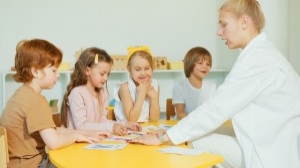 G8 Education introduces Emmy and Friends consent lessons, teaching 30,000 children body autonomy, safe adults, and protective behaviours nationwide.
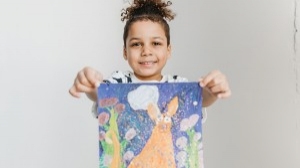 Indigenous preschools play an important role in preserving language, culture, and identity for future generations. A recent story from Australia highlights how early childhood education