


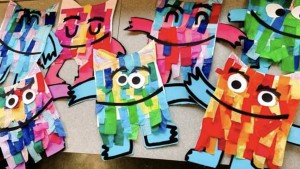
Explore Colour Monster activities with sensory play, crafts, and educator strategies to help children identify, express, and manage emotions.
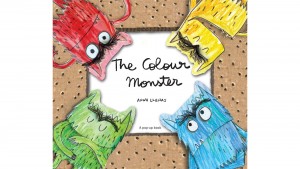
The Colour Monster helps children explore emotions with colours, building empathy and self‑regulation.

50 fun toddler activities (1–2 years) to boost learning, play, and EYLF outcomes every day.

Engaging space activities for kids with photo ideas—explore craters, rockets, stars, and galaxies.

Fun farm animal action songs for kids with movement, music, and learning through play.

Engaging farm animal activities with photos to spark creativity, learning, and play in ecec services.

Vegetables aren’t just for eating; they can be powerful tools for creativity, sensory exploration, and imaginative play. By incorporating vegetables into art and activity setups, educators can encourage children to experiment, problem‑solve, and express themselves in unique ways. These photo ideas highlight how vegetables can be transformed into engaging experiences that connect children with food, nature, and creativity.

Creative process art photo ideas for childcare educators to inspire exploration and creativity.

Engaging Australian wildlife activities with photo ideas for educators. Inspire creativity, culture, and EYLF learning outcomes in ECEC services.
Creative alphabet photo ideas for childcare: fun sorting, tracing, and sensory activities to build literacy, phonics, and letter recognition.
 The Children’s Services Award introduces a streamlined classification system and updated pay rates designed to better recognise the skills, qualifications, and responsibilities of early childhood… Read More
 The Children’s Services Award has 8 clear levels. These levels make it easier to understand where you fit, based on your experience, qualifications, and responsibilities.… Read More
 When working as a qualified early childhood teacher (with a university degree) within a service, your rate of pay will come from the Educational Services… Read More
 Diploma-qualified educators play a vital role in early childhood services, taking on responsibilities that range from supporting children’s learning and development to leading rooms and… Read More
 Certificate III qualified educators form the backbone of early childhood services, providing essential care and learning support for children across all settings. Their wages under… Read More
 Early Childhood Teachers (ECTs) play a vital role in leading curriculum and pedagogy in early learning settings. Regulation 272 of the Education and Care Services… Read More
 Discover how school readiness programs support children’s independence, confidence, and skills for a successful transition into primary school.
Read More
Discover how school readiness programs support children’s independence, confidence, and skills for a successful transition into primary school.
Read More
 When an Educator is not performing their tasks or responsibilities at best practice, these issues need to be addressed for the Educator to understand where… Read More
 Educators can maximise tax deductions by claiming classroom supplies, training, union fees, and home office costs this financial year.
Read More
Educators can maximise tax deductions by claiming classroom supplies, training, union fees, and home office costs this financial year.
Read More
 A staff appraisal is a formal, systematic process of determining and reviewing the performance of early childhood educators over a period of time, usually a… Read More

Early childhood services often require staff to arrive before their rostered start time, to set...
See more...
To support children achieve learning outcomes from the EYLF Framework, the following list gives educators...
See more...
Lunar New Year is celebrated on the 29th of January 2025. The Lunar New Year in...
See more...