Building secure, trusting relationships is the heart of early childhood education, and EYLF Outcome 1.1 places this at the centre of children’s learning and well-being. Before children can explore, communicate, or engage confidently with others, they must first feel safe, supported, and emotionally held within their environment.
Learn how to understand, support, and document EYLF Outcome 1.1 with clear examples, practical strategies, and observation wording that help educators build secure, trusting relationships in early childhood settings.
Quick Summary
- Outcome 1.1 focuses on children feeling safe, secure, and supported through warm, consistent relationships.
- Children show security through trust, confidence, and willingness to explore.
- Predictable routines, responsive caregiving, and strong educator–child relationships are essential.
- Documentation should highlight emotional cues, attachment behaviours, and educator support strategies.
Key Points
- Secure relationships build the foundation for all learning.
- Babies, toddlers, and preschoolers show security in different ways.
- Co-regulation and predictable routines strengthen children’s sense of safety.
- Observations should describe trust, comfort-seeking, and confident exploration.
What EYLF Outcome 1.1 Means
Outcome 1.1 focuses on the foundation of all learning: secure, trusting relationships.
When children feel safe and supported, they are more confident to explore, take risks, communicate, and engage with others.
EYLF emphasises that children’s sense of security is shaped by:
- Consistent, warm relationships
- Predictable routines
- Responsive caregiving
- Respect for children’s cues, emotions, and rights
- A strong sense of belonging within the environment
Children who feel safe and supported develop confidence, resilience, and a positive sense of identity.
What Feeling Safe, Secure and Supported Looks Like
Babies
- Relaxing into a familiar educator’s arms
- Making eye contact and smiling
- Settling quickly when comforted
- Showing preference for familiar educators
- Exploring when a trusted adult is nearby
Toddlers
- Seeking comfort when upset
- Checking in with educators during play
- Showing confidence to try new experiences
- Responding positively to predictable routines
- Using simple language or gestures to express needs
Preschoolers
- Engaging in sustained play
- Expressing emotions safely
- Showing trust in educators during challenges
- Demonstrating confidence in group settings
- Building friendships with peers
Examples of Outcome 1.1 in Daily Practice
Arrival Time
- Child greets their educator with a smile
- Child separates calmly with support
- The educator acknowledges the child’s feelings and offers reassurance
Transitions
- Child follows routine confidently
- The educator gives warnings and uses visual cues
- Child moves between activities with minimal stress
Play
- A child explores freely when a trusted adult is present
- Child returns to educator for reassurance before continuing play
- Educator models calm, predictable behaviour
Routines
- Child participates in mealtimes confidently
- Child accepts comfort during rest time
- The educator responds promptly to cues
Observation Examples
Learning Story Example
“During morning arrival, Aria held her mother’s hand tightly. When her educator knelt down and greeted her warmly, Aria moved into her arms and relaxed. After a short cuddle, she walked to the block area and began building. This shows Aria’s growing sense of security and trust in her educators.”
Anecdotal Observation
“During outdoor play, Noah tripped and began to cry. He immediately sought out his educator, who comforted him. After a few moments, Noah returned to play, showing he feels safe and supported in the environment.”
Photo Caption Wording
“Feeling safe and supported during group time—Outcome 1.1.”
Program Link Wording
“Used predictable routines and warm interactions to support children’s sense of security (Outcome 1.1).”
How Educators Support Outcome 1.1
Build strong, consistent relationships
- Greet each child warmly
- Use children’s names
- Spend one‑on‑one time daily
- Follow children’s cues
Create predictable routines
- Use visual schedules
- Give transition warnings
- Maintain consistent expectations
Respond sensitively to emotions
- Acknowledge feelings
- Offer comfort without judgment.
- Model calm emotional regulation
Provide a safe, nurturing environment
- Soft spaces for comfort
- Familiar objects
- Photos of families
- Culturally responsive materials
Communicate with families
- Share updates
- Ask about home routines
- Respect cultural practices
How to Document EYLF Outcome 1.1
- Use clear, specific language
- Describe the child’s behaviour and emotional cues.
- Explain how the behaviour shows security, trust, or belonging.
- Show how you supported the child.
- Child seeks comfort from educators
- Child engages confidently in play
- Child responds positively to routines
- Child expresses emotions safely
- Child shows trust in familiar adults
Use Reflective Prompts
- How did the child show trust?
- What helped the child feel secure?
- How did the educator respond?
- What routines supported the child?
Further Reading
EYLF Learning Outcomes Version 2.0
Version 2.0 EYLF Outcome 1
Practical Examples Of EYLF Outcomes
Incorporating Creative Play In The EYLF Learning Outcomes
Activity Ideas To Promote EYLF Outcome 1
Understanding EYLF Outcome 1
EYLF Outcome 1 In Simplified Language



 Here is the list of the EYLF Learning Outcomes that you can use as a guide or reference for your documentation and planning. The EYLF
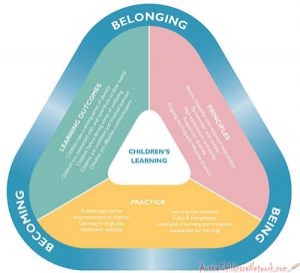 The EYLF is a guide which consists of Principles, Practices and 5 main Learning Outcomes along with each of their sub outcomes, based on identity,
 This is a guide on How to Write a Learning Story. It provides information on What Is A Learning Story, Writing A Learning Story, Sample
 One of the most important types of documentation methods that educators needs to be familiar with are “observations”. Observations are crucial for all early childhood
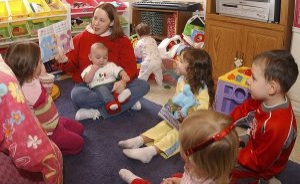 To support children achieve learning outcomes from the EYLF Framework, the following list gives educators examples of how to promote children's learning in each individual
 Reflective practice is learning from everyday situations and issues and concerns that arise which form part of our daily routine while working in an early
 When observing children, it's important that we use a range of different observation methods from running records, learning stories to photographs and work samples. Using
 Within Australia, Programming and Planning is reflected and supported by the Early Years Learning Framework. Educators within early childhood settings, use the EYLF to guide
 This is a guide for educators on what to observe under each sub learning outcome from the EYLF Framework, when a child is engaged in
 The Early Years Learning Framework describes the curriculum as “all the interactions, experiences, activities, routines and events, planned and unplanned, that occur in an environment