Support toddler identity development through choices, routines, relationships, and play. Explore practical examples that build autonomy, belonging, and emotional confidence.
Toddlers develop a strong sense of identity through everyday choices, warm relationships, predictable routines, and meaningful play. When educators intentionally design experiences that honour children’s autonomy, culture, emotions, and social connections, toddlers begin to see themselves as capable, valued, and connected members of their community.
These experiences don’t need to be elaborate. In fact, identity is built most powerfully through repetition, belonging, and being truly seen.
Key Principles of Identity‑Building
- Use routines to build confidence through predictable, meaningful participation.
- Offer choices to strengthen autonomy and agency.
- Encourage emotional expression through language, modelling, and tools.
- Support peer interactions that nurture belonging and cooperation.
- Embed cultural identity and family connections into daily practice.
Identity‑Building Experiences for Toddlers
Below is an expanded, educator‑friendly breakdown with practical examples you can use immediately.
1. Choice‑Based Activities
Giving toddlers real, meaningful choices communicates, “Your voice matters.”
Examples
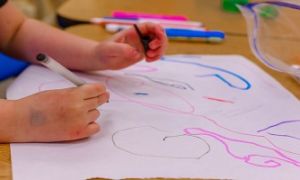
- Art Invitations
- Choose between crayons, paint sticks, collage pieces
- Select their own paper size or colour
- Outdoor Challenges
- Pick which climbing structure to try
- Choose between sand, water, or nature play
- Books & Music
- Select a story for group time
- Choose instruments for a music session
- Pick a movement song to finish the day
Why It Matters
Choice builds agency, confidence, and a sense of ownership over learning.
2. Family & Cultural Connections
Identity is deeply rooted in family, culture, and community. Toddlers thrive when these are visible and celebrated.
Examples
- Family Photos
- Photo keychains on bags
- Family albums in the book corner
- Songs From Home
- Lullabies or cultural songs shared by families
- Morning welcome songs in multiple languages
- Cultural Celebrations
- Simple, child‑led rituals (lighting a lamp, sharing a story, exploring textiles)
- Cooking experiences using family recipes
Why It Matters
These experiences affirm, “Who I am and where I come from is valued here.”
3. Emotional Expression
Toddlers are learning to name, understand, and regulate big feelings. Identity grows when emotions are acknowledged, not corrected.
Examples
- Feelings Cards
- Toddlers point to how they feel during transitions
- Puppets
- Puppets model problem‑solving or comfort‑seeking
- Social Stories
- Stories about sharing, waiting, or saying goodbye
- Stories featuring the children themselves
Why It Matters
Emotional literacy builds self‑awareness, resilience, and trust.
4. Peer Interactions
Toddlers begin to see themselves as part of a group through shared play and cooperation.
Examples
- Small‑Group Play
- Block building with two peers
- Shared sensory tubs
- Cooperative Games
- Rolling balls back and forth
- Simple turn‑taking games
- Group art murals
Why It Matters
Peer experiences build belonging, social identity, and early collaboration skills.
Routines as Identity Builders
Routines are the most powerful identity‑building tool because they happen every day and involve real responsibility.
Examples
- Helping With Pack‑Away
- Sorting blocks
- Wiping tables
- Returning books
- Serving Food
- Choosing utensils
- Pouring water
- Serving fruit to peers
- Choosing Bedding Items
- Selecting their sheet or comfort toy
- Setting up their own rest space
Why It Matters
Routines communicate:
“You are capable. You belong. You contribute.”
Further Reading
EYLF Learning Outcome 1: Children Have A Strong Sense Of Identity
Version 2.0 EYLF Outcome 1
Developing A Child's Strong Sense Of Identity
Activity Ideas To Promote EYLF Outcome 1
All About Me Theme Activities For Toddlers and Preschoolers
 Open ended questions cannot be responded to with one word answers such as yes or no. These types of questions enables a child to provide
 During your child’s preschool years, an important milestone begins to emerge. This is the development of pre-writing skills. Pre-writing skills are used to encourage, develop
 An Acknowledgment of the Country is a way of showing respect for the Traditional Owners and can be given by both non-Indigenous people and Aboriginal
 Open ended materials enables children to play freely. They are objects that have no rules to follow, use or function. Raw materials that can be
 Language plays an important role in a child’s development. It enables a child to communicate effectively with their family, learn at school, socialize with friends,
 Like adults, children have to deal with their own stress in life. Moving house, starting a new school, preparing for a new sibling - these are
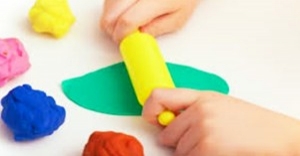 Playdough is such a versatile material. It provides numerous benefits to children as they manipulate it, it is safe and soothing and provides children with
 Teaching children about sustainability enables them to appreciate and respect the natural environment. Early childhood services can provide meaningful hand on learning experiences in order
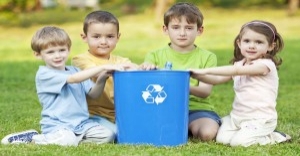 Recycling is an important concept that teaches children to care for the environment. It encourages children to be responsible and show a growing appreciating for
 Incursions provide children with the opportunity to explore meaningful learning experiences in the comfort of their early childhood service. The following provides a directory of