This learning experience is designed to approach the topic gently through play, storytelling, small‑world exploration, and hands‑on creativity. Rather than focusing on danger, it highlights helpers, community care, and nature’s remarkable ability to heal and regrow. The aim is to empower children with knowledge in a developmentally appropriate way, supporting emotional regulation while strengthening their connection to Country and community.
By engaging with familiar materials, calm routines, and open‑ended play, children can explore big ideas safety, responsibility, resilience, and environmental cycles in ways that feel safe, supported, and meaningful. This plan honours children’s voices, respects cultural perspectives on fire and land care, and provides educators with a thoughtful, responsive framework for guiding conversations during bushfire season.
Learning Focus
To support children’s understanding of bushfires in a developmentally safe, empowering way through sensory play, storytelling, and exploration of community helpers and environmental regrowth.
Learning Outcomes
- Outcome 1.1 – Children feel safe, secure, and supported
- Outcome 2.4 – Children become socially responsible and show respect for the environment
- Outcome 3.2 – Children take increasing responsibility for their own health and safety
- Outcome 4.1 – Children develop dispositions for learning such as curiosity, cooperation, confidence
- Outcome 5.1 – Children interact verbally and non‑verbally for a range of purposes
Rationale
Bushfires are part of Australian life. Children may see smoke, hear sirens, or experience community conversations. This experience provides a calm, play‑based way to explore safety, helpers, and nature’s regrowth without fear or overwhelm.
Experience Title
“Fire, Helpers & New Growth”—A Play‑Based Exploration of Bushfires
Materials
- Toy fire trucks, firefighter figures, helmets, walkie‑talkies
- Natural materials: gum leaves, sticks, seed pods, charcoal pieces (clean)
- Green felt or fabric for “regrowth”
- Small world, animals
- Large paper, paints (reds, oranges, yellows, greens), spray bottles with water
- Books about firefighters or Australian bushland (non‑graphic)
- Photos of bushland before/after regrowth (gentle, non‑distressing)
Learning Experience Steps
1. Welcome Circle – Gentle Conversation
- Acknowledge what children may have noticed (smoke, sirens, weather).
- Use simple, reassuring language:
“Sometimes fires happen in nature. Grown‑ups have plans to keep everyone safe.” - Invite children’s questions or observations.
2. Small World Play: “Firefighters to the Rescue”
Set up a small world scene with:
- Trees, animals, toy firefighters
- A “fire zone” using red/orange fabric
- A “safe zone” and “regrowth zone”
Children explore:
- Helping animals
- Calling firefighters
- Moving objects to safety
- Using water spray bottles to “put out” the fire
Intentional teaching:
- Model calm problem‑solving
- Introduce vocabulary: smoke, fire truck, hose, helpers, safe place, regrowth
3. Art Experience: “Colours of Fire & New Life”
Two stations:
- Fire colours – red, orange, yellow paint
- Regrowth colours – greens, browns, natural materials for printing
Children create:
- Fire colour blending
- Leaf prints
- “Before and after” bushland scenes
Extension:
Spray bottles for water‑mist effects.
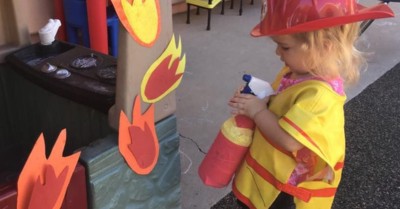
4. Dramatic Play: Fire Station Role‑Play
Provide:
- Helmets
- Jackets
- Clipboards
- Walkie‑talkies
- Cones for “blocked roads”
Children practice:
- Calling 000 in pretend play
- Teamwork
- Helping scenarios
- Fire drill routines
5. Storytime: Helpers & Healing
Choose a gentle book focusing on:
- Firefighters
- Community helpers
- Australian bushland regrowth
Pause to ask:
- “What are the helpers doing?”
- “How does the land grow again?”
6. Reflection Circle
Invite children to share:
- What they learned
- What helpers do
- How nature grows back
- How they feel now
Use visual prompts (emotion stones, puppets).
Assessment - What to Look For
- Children expressing understanding of safety routines
- Use of new vocabulary
- Empathy for people, animals, and the environment
- Ability to role-play helpers and problem-solve
- Curiosity about nature and regrowth
- Emotional regulation during discussions
Extensions
- Plant native seeds and observe regrowth
- Invite a local firefighter for a non‑emergency visit
- Create a class “Safety Plan” poster
- Nature walk to observe bushland changes
- Sensory tray with sand, charcoal, leaves, and green felt for regrowth play
Family Connections
Share with families:
- What children explored
- How to talk calmly about bushfires at home
- Local community safety information
- Photos of children’s regrowth artwork
Invite families to contribute:
- Photos of local bushland
- Stories of community helpers
- Cultural knowledge about fire and land care
Further Reading
Teaching Children About Bushfires
Talking to Children About Bushfires
Birdie And The Fire—Free Children's Storybook About Bushfires
 Open ended questions cannot be responded to with one word answers such as yes or no. These types of questions enables a child to provide
 During your child’s preschool years, an important milestone begins to emerge. This is the development of pre-writing skills. Pre-writing skills are used to encourage, develop
 An Acknowledgment of the Country is a way of showing respect for the Traditional Owners and can be given by both non-Indigenous people and Aboriginal
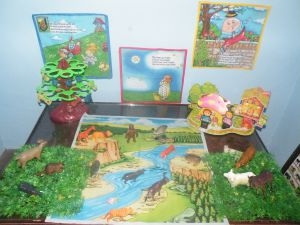 Open ended materials enables children to play freely. They are objects that have no rules to follow, use or function. Raw materials that can be
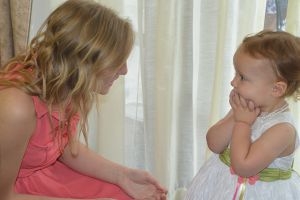 Language plays an important role in a child’s development. It enables a child to communicate effectively with their family, learn at school, socialize with friends,
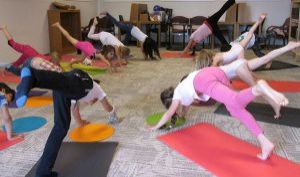 Like adults, children have to deal with their own stress in life. Moving house, starting a new school, preparing for a new sibling - these are
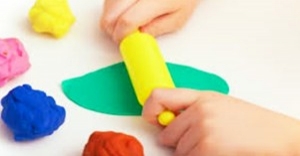 Playdough is such a versatile material. It provides numerous benefits to children as they manipulate it, it is safe and soothing and provides children with
 Teaching children about sustainability enables them to appreciate and respect the natural environment. Early childhood services can provide meaningful hand on learning experiences in order
 Recycling is an important concept that teaches children to care for the environment. It encourages children to be responsible and show a growing appreciating for
 Incursions provide children with the opportunity to explore meaningful learning experiences in the comfort of their early childhood service. The following provides a directory of