


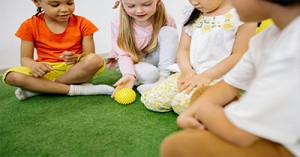
Schematic play refers to repeated patterns of behavior that children exhibit as they explore the world around them. These behaviors, known as schemas, are essential for understanding how things work and for brain development. The following article provides information on Nine Schemas in Young Children's Play, How To Encourage Schematic Play, Activity Ideas For Schema Play and more.

The relationship between families and educators forms the backbone of a supportive environment for children’s growth. When these partnerships are strong, they create a continuity of care and shared values that empower children to thrive both academically and emotionally. The following article provides information on Strategies For Building Relationships Between Families and Educators, How Relationships Influence Positive Outcomes For Children and more.

Becoming an effective leader in early childhood education requires mastering a blend of communication, organizational, and relationship-building skills. Here’s how educational leaders can develop and enhance their leadership abilities.

Reflective practice is essential for continuous growth in early childhood education. As a leader, fostering a culture of self-reflection helps educators refine their teaching methods, identify strengths, and enhance their impact on children’s learning experiences. Here's how to lead reflective practices effectively and an example of reflective practice in action.

Engaging families in early learning is crucial for fostering a collaborative environment that supports children's development. Here are some practical strategies on how to get families involved in their child's learning.

Building positive relationships with families is essential, and simple, thoughtful greetings go a long way in creating a welcoming environment. The following article provides tips for educators on how they can approach drop-offs and pick-ups effectively.

Providing constructive feedback is an essential skill for fostering growth, trust, and improvement. Here’s a structured guide to help you deliver feedback effectively.

The following article provides a list of Professional Development Goals that can be implemented to develop team collaboration and cohesiveness, effective conflict resolution, Success Measures, Workshop Topic Ideas and more.

Promoting the NSW Child Safe Standards involves embedding safety into every aspect of an organization or setting. The following article provides practical strategies tailored to each standard.

Fostering independence in children is one of the greatest gifts we can give them. A small but impactful step in this journey is encouraging children to walk into the center on their own each day. This simple practice not only builds confidence but also helps children view themselves as capable and competent. The following article provides information on Why Walking Matters, Strategies To Encourage Children To Walk Into The Service On Their Own, Practically Implementing The Strategies, Encouraging Parents To Support Their Child To Walk Into The Service Independently, and more.
 The Children’s Services Award introduces a streamlined classification system and updated pay rates designed to better recognise the skills, qualifications, and responsibilities of early childhood… Read More
 The Children’s Services Award has 8 clear levels. These levels make it easier to understand where you fit, based on your experience, qualifications, and responsibilities.… Read More
 When working as a qualified early childhood teacher (with a university degree) within a service, your rate of pay will come from the Educational Services… Read More
 Diploma-qualified educators play a vital role in early childhood services, taking on responsibilities that range from supporting children’s learning and development to leading rooms and… Read More
 Certificate III qualified educators form the backbone of early childhood services, providing essential care and learning support for children across all settings. Their wages under… Read More
 Early Childhood Teachers (ECTs) play a vital role in leading curriculum and pedagogy in early learning settings. Regulation 272 of the Education and Care Services… Read More
 Children need safe and positive environments to learn and grow. To ensure this, services and educators need to ensure effective supervision at all times. The… Read More
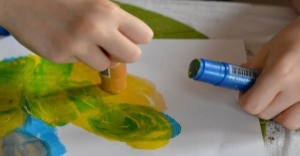 Floorbook is a documentation approach that uses a large book with blank pages for children to record different aspects of their learning in small groups… Read More
 In Norway and most other Scandinavian countries, children nap in the outdoors. According, to research outdoor sleeping not only promotes better daytime sleeping, but it… Read More
 From 2026, every educator covered by the Children’s Services Award will move into a new, simplified classification structure. Instead of navigating 30 different levels, educators… Read More

Quality Area 4 (QA4) focuses on staffing arrangements, including educator-to-child ratios, qualifications, continuity of care...
See more...
Social distancing plays a key role in preventing the spread of coronavirus. This means putting...
See more...
Achieving EYLF Outcome 1: Children have a strong sense of identity in the babies' room...
See more...