Quality Area 4 (QA4) focuses on staffing arrangements, including educator-to-child ratios, qualifications, continuity of care, and collaborative practices. Building QA4 evidence folders helps services demonstrate how staffing supports children’s learning, safety, and well-being, while also showcasing professional collaboration and compliance with the NQS.
Why Use QA4 Evidence Folders
- Central Reference Point: Provides assessors and educators with clear documentation of staffing practices.
- Consistency: Demonstrates alignment with NQS standards and service philosophy.
- Improvement Tracking: Shows how staffing arrangements evolve through reflection and continuous improvement.
Suggested Evidence for QA4 Folders
| Category | Examples of Evidence | Notes |
|---|---|---|
| Staffing Ratios & Rosters | Daily rosters, ratio compliance records, attendance logs | Demonstrate adherence to legal requirements and consistency in supervision. |
| Qualifications & Training | Copies of educator qualifications, professional development certificates, training logs | Show that staff meet qualification requirements and engage in ongoing learning. |
| Continuity of Care | Documentation of key educator systems, transition notes, family feedback | Highlight strategies that ensure children experience stable, secure relationships. |
| Collaboration & Teamwork | Meeting minutes, peer mentoring notes, reflective discussions | Evidence of professional dialogue and shared responsibility. |
| Professional Standards | Code of ethics displays, staff induction materials, supervision policies | Show commitment to professional conduct and sector standards. |
| Critical Reflections | Educator reflections on staffing challenges, evaluation of rostering, improvement plans | Link reflections to changes in practice and service quality. |
| Family & Community Input | Parent feedback on staffing, surveys, collaborative projects | Demonstrate partnerships in shaping staffing practices. |
Tips for Educators
- Keep it concise: Focus on authentic, purposeful evidence rather than excessive paperwork.
- Mix formats: Use both digital and physical evidence depending on what works best for your service.
- Update regularly: Include reflections, rosters, and training records to show ongoing improvement.
- Link to philosophy: Ensure evidence demonstrates how staffing supports safety, continuity, and collaboration.
Building QA4 evidence folders is about more than compliance; it’s about showcasing how staffing arrangements actively support children’s well-being, learning, and secure relationships. By documenting ratios, qualifications, continuity strategies, and professional collaboration, educators can demonstrate their commitment to creating environments where children thrive under consistent, capable, and reflective care.
Further Reading
Building QA 1 Evidence Folders: A Practical Guide for Educators
Building QA 2 Evidence Folders: A Practical Guide for Educators
Building QA 3 Evidence Folders: A Practical Guide for Educators
How To Achieve Quality Area 4
Reflection Questions For Quality Area 4
Documentation Services Require To Support Quality Area 4
Exceeding Guidance For Quality Area 4
Practical Examples Of NQS Quality Area 4
Quality Area 4 Cheat Sheet
Key Terms From Quality Area 4
Critical Reflection Questions For NQS QA4




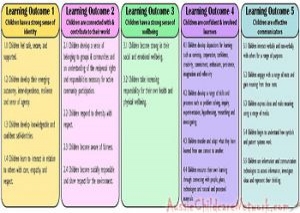 Here is the list of the EYLF Learning Outcomes that you can use as a guide or reference for your documentation and planning. The EYLF
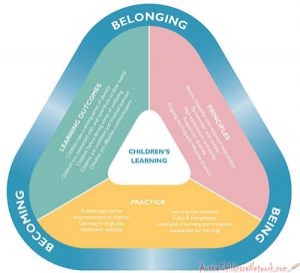 The EYLF is a guide which consists of Principles, Practices and 5 main Learning Outcomes along with each of their sub outcomes, based on identity,
 This is a guide on How to Write a Learning Story. It provides information on What Is A Learning Story, Writing A Learning Story, Sample
 One of the most important types of documentation methods that educators needs to be familiar with are “observations”. Observations are crucial for all early childhood
 To support children achieve learning outcomes from the EYLF Framework, the following list gives educators examples of how to promote children's learning in each individual
 Reflective practice is learning from everyday situations and issues and concerns that arise which form part of our daily routine while working in an early
 When observing children, it's important that we use a range of different observation methods from running records, learning stories to photographs and work samples. Using
 Within Australia, Programming and Planning is reflected and supported by the Early Years Learning Framework. Educators within early childhood settings, use the EYLF to guide
 This is a guide for educators on what to observe under each sub learning outcome from the EYLF Framework, when a child is engaged in
 The Early Years Learning Framework describes the curriculum as “all the interactions, experiences, activities, routines and events, planned and unplanned, that occur in an environment