



The childcare sector in Australia includes both for‑profit providers (like G8 Education) and nonprofit services (often community or council‑run). While families often focus on fees and convenience, educators experience the differences most directly in their daily work, professional development, and job security.

Educators in early childhood services often carry immense responsibility, balancing compliance, pedagogy, and family engagement. While many appear resilient during peak stress periods, the effects often surface later. This phenomenon, known as a delayed stress response, can have significant consequences for well-being, service quality, and career longevity.

In recent weeks, many centres have begun noticing a new pressure point: educators struggling to attend shifts due to the rising cost of fuel. While this is completely understandable given the current economic climate, it is creating ripple effects across teams: coverage gaps, increased stress, and added strain on those stepping in to fill the roster.

Every time a shocking case of child abuse surfaces, the sector braces for another wave of reactionary policies. Device bans, endless training modules, and compliance paperwork pile up on educators who already uphold professional standards. Yet none of these measures address the core issue: ratios.
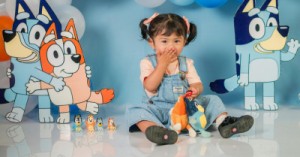
Bluey Listen Along offers audio-only versions of favorite episodes, mixed by Bluey’s sound designer, Dan Brumm. With twenty new episodes now available, including Markets, Taxi, Squash, Grandad, Pizza Girls, and Faceytalk. Educators have a fresh toolkit for creating calm, imaginative rest-time environments. Available free on the ABC KIDS Listen app.

From 27 February 2026, it is now a legal requirement that every decision and action in early childhood education and care services must put the safety, rights, and best interests of children first. This change elevates what was once a guiding principle under the NQF into a statutory duty.

Stress is a reality in many workplaces, but in early childhood education it can be particularly acute. Between compliance demands, emotional labour, and chronic understaffing, educators often face pressures that impact their well-being. Stress leave is possible—and when stress is directly caused by work, WorkCover may apply. This article explains the difference, the process, and the evidence required to make a successful claim.

Educators often wonder: Do we need to display something from every culture every day to be inclusive? The answer is no. The EYLF not require a daily checklist of cultural artifacts. Instead, it emphasises creating environments that are inclusive, meaningful, and responsive to the children, families, and communities you serve.
Authentic representation is about embedding diversity across the year and ensuring children see their identities reflected in ways that feel genuine, not tokenistic. This article provides a practical framework for balancing broad diversity with specific cultural representation.
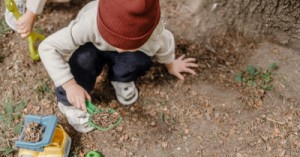
Designing outdoor spaces for little ones is about balancing safety, sensory exploration, and opportunities for growth. Babies and toddlers thrive in environments that invite curiosity while supporting their developmental milestones. Below are practical, creative ideas to guide your setup.

Educational leaders hold a unique position in early childhood services: part mentor, part compliance guide, and part visionary. The role is not about quick fixes; it’s about cultivating a reflective culture where educators', families', and children’s voices shape practice. This 12‑month roadmap offers a structured yet flexible guide, helping leaders pace their focus across programming, planning, family engagement, compliance, and professional growth.
 The Children’s Services Award introduces a streamlined classification system and updated pay rates designed to better recognise the skills, qualifications, and responsibilities of early childhood… Read More
 Children need safe and positive environments to learn and grow. To ensure this, services and educators need to ensure effective supervision at all times. The… Read More
 Floorbook is a documentation approach that uses a large book with blank pages for children to record different aspects of their learning in small groups… Read More
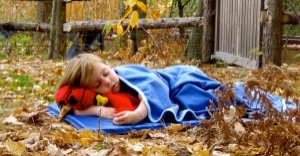 In Norway and most other Scandinavian countries, children nap in the outdoors. According, to research outdoor sleeping not only promotes better daytime sleeping, but it… Read More
 Nature programs in early childhood settings are a fantastic way to connect children with the natural world and promote holistic development. The following article provides… Read More
 From 2026, every educator covered by the Children’s Services Award will move into a new, simplified classification structure. Instead of navigating 30 different levels, educators… Read More
 Schemas are patterns of repeated behavior that allow children to explore and express developing ideas and thoughts through their play and exploration. The following article… Read More
 The following article lists 30 art and craft descriptions and links to the EYLF. These can be used as a blurb, during observations, used for… Read More
 Positive phrases play a crucial role in children's growth because they help nurture their emotional, social, and cognitive development. The following article lists 30 positive… Read More
 From the earliest months of life, babies thrive when given opportunities to experience the outdoors. Nature is not just a backdrop for play—it is a… Read More

Teaching children about sustainability enables them to appreciate and respect the natural environment. Early childhood...
See more...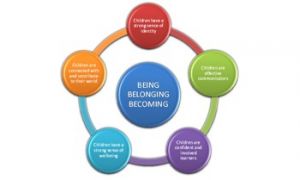
Here is the list of the EYLF Learning Outcomes that you can use as a...
See more...
Lego and Building Blocks are a favourite activity for young children. From toddlers, they start...
See more...