



Creating a peaceful atmosphere during rest time is essential for children’s emotional regulation, relaxation, and overall well-being. Music and sound choices can significantly impact how easily children transition into quiet time. The following article provides information on Why Sound Matters in Rest-Time Routines, Implementing Calming Sounds in the Environment, Recommended Playlists and more.

Play is more than just fun—it’s an essential part of a child’s growth and development. Through play, children explore their world, develop crucial skills, and build emotional resilience. For families and educators, understanding the significance of play can help create an environment where children thrive.

Helping children develop a strong sense of identity, confidence, and independence is essential for their overall well-being and future success. The following article provides information on Strategies To Support A Child's Strong Sense Of Identity, Confidence and Independence, Strategies Tailored To Different Age Groups, Real Life Examples Of Fostering Independence, What Is A Strong Sense Of Identity, Self-awareness In Identity Development, Self Awareness Skills For Toddlers and Preschoolers and Linking NQS and EYLF To A Strong Sense of Identity, Confidence, and Independence

Group learning in early childhood offers numerous benefits that support children's cognitive, social, and emotional development. The following article provides information on the Benefits of Group Learning, Group Learning Strategies, Group Learning Activities, Strategies To Encourage Positive Behavior In Group Learning and more.

Independent play is a fantastic way for children to develop creativity, problem-solving skills, and confidence. The following article provides information on Benefits Of Independence Play, Practical Strategies To Encourage Independent Play, Why Do Children Struggle With Independent Play, Tips For Encouraging Independent Play, How Does Independent Play Change As Children Grow, Fostering Independent Play At Different Stages and more.

Here are some ways to dye pasta, whether for crafts, sensory play, or even naturally coloured edible pasta.

Educator burnout in early childhood services is a serious issue, but there are ways to manage and prevent it. The following article provides information on What Is Burnout, What Workplace Adjustments Can Help Reduce Burnout, Strategies On Dealing With Educator Burnout and more.

The following article provides a list of 25 creative team project ideas designed to engage early childhood educators in a meaningful, hands-on way.

Cold weather play is incredibly beneficial for early childhood development! It helps children build resilience, strengthen their immune systems, and develop essential motor skills. Here’s why outdoor play in winter is important.

The "100 Languages of Children" is a concept from the Reggio Emilia Approach, an educational philosophy that emphasizes children's diverse ways of expressing themselves and learning. This approach encourages children to explore their creativity, curiosity, and individuality through various mediums, fostering a deeper understanding of the world around them.
 The Children’s Services Award introduces a streamlined classification system and updated pay rates designed to better recognise the skills, qualifications, and responsibilities of early childhood… Read More
 The Children’s Services Award has 8 clear levels. These levels make it easier to understand where you fit, based on your experience, qualifications, and responsibilities.… Read More
 When working as a qualified early childhood teacher (with a university degree) within a service, your rate of pay will come from the Educational Services… Read More
 Diploma-qualified educators play a vital role in early childhood services, taking on responsibilities that range from supporting children’s learning and development to leading rooms and… Read More
 Certificate III qualified educators form the backbone of early childhood services, providing essential care and learning support for children across all settings. Their wages under… Read More
 Early Childhood Teachers (ECTs) play a vital role in leading curriculum and pedagogy in early learning settings. Regulation 272 of the Education and Care Services… Read More
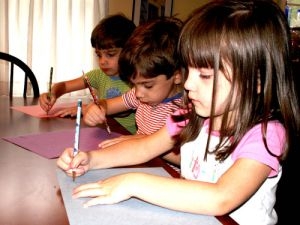 Discover how school readiness programs support children’s independence, confidence, and skills for a successful transition into primary school.
Read More
Discover how school readiness programs support children’s independence, confidence, and skills for a successful transition into primary school.
Read More
 When an Educator is not performing their tasks or responsibilities at best practice, these issues need to be addressed for the Educator to understand where… Read More
 Educators can maximise tax deductions by claiming classroom supplies, training, union fees, and home office costs this financial year.
Read More
Educators can maximise tax deductions by claiming classroom supplies, training, union fees, and home office costs this financial year.
Read More
 A staff appraisal is a formal, systematic process of determining and reviewing the performance of early childhood educators over a period of time, usually a… Read More

Transitioning children into a new room in childcare can be a smooth and positive experience...
See more...
The spread of certain infectious diseases can be reduced by excluding the child or Educator...
See more...
Sustainability isn’t just about recycling; it’s about helping children understand their role as caretakers of...
See more...