




Services must show compliance and quality every day, not just during assessments.




Protected disclosures in NSW childcare safeguard educators, uphold integrity, and strengthen trust in early education services.

For some long-serving staff, the new Award minimum after the 1 July 2026 increase is still lower than the Award minimum, they were entitled to on 28 February 2026. To stop these staff from taking a pay cut, FWC introduced “Retained Minimum Rates.”


For educators on the WRG, the 15% is locked to the 1 Dec 2025 rate. You’re still getting 15% above what the award was in Dec 2025, inclusive of the 4.75% Annual Wage Review. But you don’t get 15% on top of the new award rates as of 1st July 2026. Fair Work is now lifting the minimum pay rate in the Awards to catch up.

Programming time is a cornerstone of quality practice in early childhood education. The Children’s Services Award guarantees educators and teachers responsible for planning and documenting learning experiences a minimum of two hours of non-contact time each week. This entitlement recognises that programming is not an “extra” task but a professional responsibility essential for compliance, reflection, and supporting children’s development.
 Open ended questions cannot be responded to with one word answers such as yes or no. These types of questions enables a child to provide… Read More
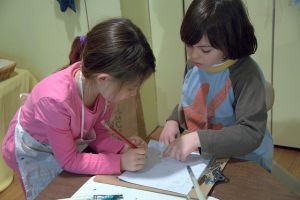 During your child’s preschool years, an important milestone begins to emerge. This is the development of pre-writing skills. Pre-writing skills are used to encourage, develop… Read More
 An Acknowledgment of the Country is a way of showing respect for the Traditional Owners and can be given by both non-Indigenous people and Aboriginal… Read More
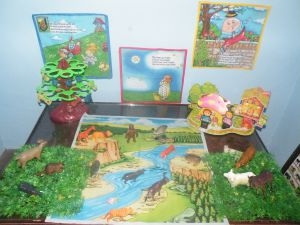 Open ended materials enables children to play freely. They are objects that have no rules to follow, use or function. Raw materials that can be… Read More
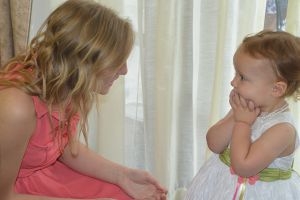 Language plays an important role in a child’s development. It enables a child to communicate effectively with their family, learn at school, socialize with friends,… Read More
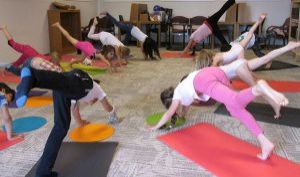 Like adults, children have to deal with their own stress in life. Moving house, starting a new school, preparing for a new sibling - these are… Read More
 Playdough is such a versatile material. It provides numerous benefits to children as they manipulate it, it is safe and soothing and provides children with… Read More
 Teaching children about sustainability enables them to appreciate and respect the natural environment. Early childhood services can provide meaningful hand on learning experiences in order… Read More
 Recycling is an important concept that teaches children to care for the environment. It encourages children to be responsible and show a growing appreciating for… Read More
 Incursions provide children with the opportunity to explore meaningful learning experiences in the comfort of their early childhood service. The following provides a directory of… Read More
Negative framing and brain-building language shape how children perceive themselves, their abilities, and their learning...
See more...
Reading books about diversity to children helps them understand and appreciate the many ways people can...
See more...
World Space Week is from 4th - 10th October. To help educators join the global celebration...
See more...