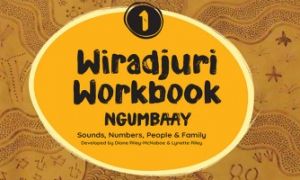
Reconciliation in early childhood is not a one‑week event; it’s a daily practice. Embedding reconciliation means weaving respect, truth‑telling, and cultural awareness into routines, environments, and relationships. For educators, this is about creating spaces where Aboriginal and Torres Strait Islander perspectives are visible, valued, and celebrated.
Key Practices to Embed
-
Acknowledgement of Country
Begin group times with child‑friendly acknowledgements, using gestures, songs, or simple language. -
Storytelling with First Nations Books
Include Aboriginal and Torres Strait Islander authors in daily story baskets. Discuss themes of belonging, caring for Country, and community. -
Caring for Country in Playgrounds
Encourage children to water plants, notice birds, and collect natural materials respectfully. -
Art & Symbols
Explore Aboriginal symbols in art projects. Use collaborative murals, handprints, and natural colours to connect creativity with culture. -
Family Engagement
Invite families to share cultural stories, songs, or photos of places they care for. Display these alongside children’s work. -
Reflective Practice
Journal prompts for educators: How do we show respect daily? How are Aboriginal voices represented in our program? - Inclusive Visual Environments
Display Aboriginal and Torres Strait Islander flags, artwork, and photos of local Country in classrooms.
EYLF Outcome 2: Children connect with and contribute to their world. - Language Connections
Introduce simple First Nations words for everyday items (sun, water, earth). Use them in songs and routines. - Cooking & Food Stories
Explore bush foods or native herbs in cooking activities. Share stories about their cultural significance. - Outdoor Caring for Country
Create eco‑helper roles where children water plants, collect rubbish, and care for the playground. - Music & Movement
Use clapsticks, rhythm games, and reconciliation songs during group time. - Truth‑Telling Through Story
Share age‑appropriate stories that acknowledge history and celebrate resilience. - Family & Community Partnerships
Invite families and elders to share cultural stories, songs, or experiences. - Daily Rituals of Respect
Begin and end the day with a short “thank you Country” chant, song, or gesture.
Educator Reflection Prompts
- Which practices are already embedded daily, and which feel tokenistic?
- How can we ensure reconciliation is visible in both indoor and outdoor environments?
- What opportunities exist to strengthen partnerships with local Aboriginal and Torres Strait Islander communities?
Embedding reconciliation is about consistency and authenticity. When children see respect for Country and culture reflected in everyday practice, they grow up with empathy, awareness, and pride in diversity.
Further Reading
National Reconciliation Week - 27 May to 3 June
Including Aboriginal and Torres Strait Islander Cultures In Your Service
Practical Steps For Including Aboriginal and Torres Strait Islander Cultures and People Within An Early Childhood Service



 The Children’s Services Award introduces a streamlined classification system and updated pay rates designed to better recognise the skills, qualifications, and responsibilities of early childhood
 The Children’s Services Award has 8 clear levels. These levels make it easier to understand where you fit, based on your experience, qualifications, and responsibilities.
 When working as a qualified early childhood teacher (with a university degree) within a service, your rate of pay will come from the Educational Services
 Diploma-qualified educators play a vital role in early childhood services, taking on responsibilities that range from supporting children’s learning and development to leading rooms and
 Certificate III qualified educators form the backbone of early childhood services, providing essential care and learning support for children across all settings. Their wages under
 Early Childhood Teachers (ECTs) play a vital role in leading curriculum and pedagogy in early learning settings. Regulation 272 of the Education and Care Services
 Discover how school readiness programs support children’s independence, confidence, and skills for a successful transition into primary school.
 When an Educator is not performing their tasks or responsibilities at best practice, these issues need to be addressed for the Educator to understand where
 Educators can maximise tax deductions by claiming classroom supplies, training, union fees, and home office costs this financial year.
 A staff appraisal is a formal, systematic process of determining and reviewing the performance of early childhood educators over a period of time, usually a