


The expectation that three-year-olds should sit at a table and write their names with pencils and stencils is being reconsidered by many educators. While name recognition and writing are important milestones, current pedagogy emphasises that children develop these skills through play, sensory experiences, and creative exploration—not through repetitive table work.

At the end of 2026, the early childhood sector is still waiting for ratio reform. Despite years of advocacy, despite mounting evidence, and despite repeated calls from educators, families, and sector leaders, ratios remain unchanged. Everything else seems to be happening—new frameworks, reporting requirements, compliance checks—but the most fundamental safeguard, the number of adults available to protect and nurture children, is still overlooked.

Working in OSHC means being prepared for the unexpected. Children are naturally curious, and sometimes their questions can feel confronting—especially when asked in front of peers. One educator recently shared an experience where a Year 4/5 child interrupted a group discussion to ask, “Are you gay?” This scenario highlights the importance of professional boundaries, inclusivity, and reflective practice.

The home corner is more than a play space—it’s a mirror of children’s lived experiences and a stage for imagination, identity, and social learning. By re-enacting routines, caring for “family members,” and experimenting with roles, children build empathy, language, and problem-solving skills. For educators, the home corner is a window into children’s understanding of relationships, culture, and community.

Recent headlines have sounded alarms about the sharp rise in “serious incidents” reported in Australian childcare services. At first glance, the numbers appear troubling: more breaches of national guidelines, more incidents logged, and a decline in staff qualifications. Yet to interpret this solely as evidence of worsening safety is to miss a deeper, more hopeful story.

Sensory bottles are simple yet powerful tools for children’s play, regulation, and learning. They are clear containers (usually plastic bottles or jars) filled with materials that stimulate the senses—sight, sound, and touch.

Trust is the foundation of strong partnerships between educators and families. When families feel respected, informed, and included, children thrive in environments that reflect their identity and needs. Building trust is not a one-off task—it’s a daily practice woven into communication, routines, and relationships.

Mentoring is one of the most powerful tools we have as leaders. It’s not about correcting deficits—it’s about unlocking potential. When an experienced educator tends to supervise passively rather than actively engaging with children, the challenge is not only about practice but also about relationships, influence, and team culture. Addressing this requires sensitivity, preparation, and a strengths-based approach.

A writing area in a preschool room is more than a corner with pencils and paper—it’s a space where children begin to see themselves as authors, communicators, and creators. By offering diverse tools and meaningful prompts, educators can nurture early literacy skills while celebrating children’s voices and identities. This area encourages mark-making, storytelling, and playful exploration, laying the foundation for confident communication.

Music has always been a powerful tool in OSHC programs—whether it’s setting the tone for a calm morning or energising children after school. Many educators are exploring how to use music not just as background noise, but as a way to support regulation, inclusion, and child agency.
 Open ended questions cannot be responded to with one word answers such as yes or no. These types of questions enables a child to provide… Read More
 During your child’s preschool years, an important milestone begins to emerge. This is the development of pre-writing skills. Pre-writing skills are used to encourage, develop… Read More
 An Acknowledgment of the Country is a way of showing respect for the Traditional Owners and can be given by both non-Indigenous people and Aboriginal… Read More
 Open ended materials enables children to play freely. They are objects that have no rules to follow, use or function. Raw materials that can be… Read More
 Language plays an important role in a child’s development. It enables a child to communicate effectively with their family, learn at school, socialize with friends,… Read More
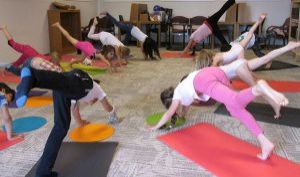 Like adults, children have to deal with their own stress in life. Moving house, starting a new school, preparing for a new sibling - these are… Read More
 Playdough is such a versatile material. It provides numerous benefits to children as they manipulate it, it is safe and soothing and provides children with… Read More
 Teaching children about sustainability enables them to appreciate and respect the natural environment. Early childhood services can provide meaningful hand on learning experiences in order… Read More
 Recycling is an important concept that teaches children to care for the environment. It encourages children to be responsible and show a growing appreciating for… Read More
 Incursions provide children with the opportunity to explore meaningful learning experiences in the comfort of their early childhood service. The following provides a directory of… Read More

In today’s competitive early childhood sector, resumes must do more than list qualifications—they should reflect...
See more...
Early childhood education is guided by philosophy—the beliefs and values that shape how we teach...
See more...
This article should give you a heads-up in preparing for an interview in a childcare...
See more...