


When we talk about art areas in learning environments, we’re really looking at how spaces can be intentionally designed to foster creativity, self-expression, and developmental growth. In early childhood, art areas aren’t just about painting or drawing—they’re hubs for exploration, identity-building, and skill development.

Recent headlines have warned of a “systemic and escalating” risk in childcare allergy management, claiming that regulations are failing children by requiring only one staff member per centre to be trained in anaphylaxis response. While the concern for child safety is valid, this framing overlooks a critical fact: Diploma-qualified educators are already required to hold current First Aid, CPR, Asthma, and Anaphylaxis training—and at least 50% of staff in every service must hold a Diploma.

In early childhood education, play is the foundation of learning. Two powerful spaces—the block area and the construction area—offer children opportunities to explore, create, and problem-solve. While often treated separately, combining these areas can enrich children’s experiences and deepen their developmental outcomes.

Acknowledgement of Country is more than a ritual—it’s a daily opportunity to connect children with respect, gratitude, and belonging.

In early childhood, programming is the backbone of quality practice. Yet, many leaders encounter a familiar refrain when asking teams to engage with program planning: “I haven’t had the time.” While time pressures are real in our sector, this phrase often masks deeper issues—avoidance, prioritization gaps, or resistance to leadership direction. For emerging and experienced leaders alike, knowing how to respond is critical for maintaining both program integrity and team morale.

Storybook baskets (sometimes called book buckets) are a powerful way to transform a simple read-aloud into an interactive, multi-sensory experience. By pairing books with props, toys, and open-ended materials, educators can help children connect more deeply with stories, practice language skills, and extend their learning through play.

Older children in OSHC often hit us with the classic line: “I’m bored.” But when asked what they’d like to do, the reply is just as familiar: “I don’t know.”
This isn’t laziness; it’s a developmental stage. They’re testing independence, craving novelty, and rejecting anything that feels “too little kid.” The challenge for educators is to offer activities that are low-prep, high-engagement, and feel authentically “big kid.”
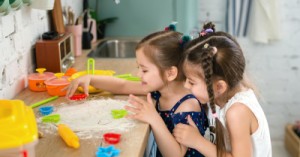
Playdough is more than a fun activity; it’s a versatile tool for creativity, fine motor development, sensory exploration, and imaginative play. A thoughtfully designed playdough area can inspire children to explore textures, shapes, and storytelling while supporting key developmental outcomes.

Create inspiring science and nature areas in childcare with photo ideas, practical setups, and engaging activities to spark curiosity and learning.

Rest time in preschool settings has traditionally been associated with sleep. Yet, many children—especially as they approach school age—may not need or want to nap. For educators, this raises the question: how do we balance children’s individual needs with program requirements and the importance of downtime?
 Open ended questions cannot be responded to with one word answers such as yes or no. These types of questions enables a child to provide… Read More
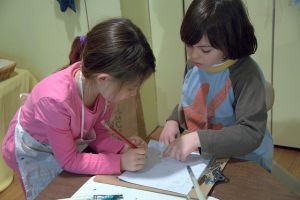 During your child’s preschool years, an important milestone begins to emerge. This is the development of pre-writing skills. Pre-writing skills are used to encourage, develop… Read More
 An Acknowledgment of the Country is a way of showing respect for the Traditional Owners and can be given by both non-Indigenous people and Aboriginal… Read More
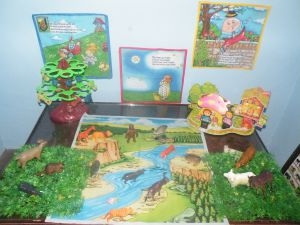 Open ended materials enables children to play freely. They are objects that have no rules to follow, use or function. Raw materials that can be… Read More
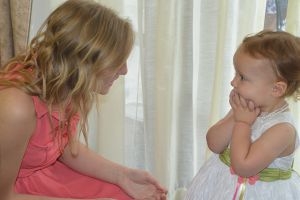 Language plays an important role in a child’s development. It enables a child to communicate effectively with their family, learn at school, socialize with friends,… Read More
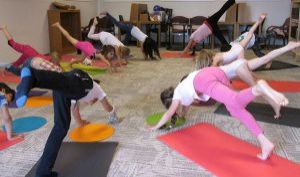 Like adults, children have to deal with their own stress in life. Moving house, starting a new school, preparing for a new sibling - these are… Read More
 Playdough is such a versatile material. It provides numerous benefits to children as they manipulate it, it is safe and soothing and provides children with… Read More
 Teaching children about sustainability enables them to appreciate and respect the natural environment. Early childhood services can provide meaningful hand on learning experiences in order… Read More
 Recycling is an important concept that teaches children to care for the environment. It encourages children to be responsible and show a growing appreciating for… Read More
 Incursions provide children with the opportunity to explore meaningful learning experiences in the comfort of their early childhood service. The following provides a directory of… Read More

In OOSH services, educators often support children with diverse abilities and needs. Some children may...
See more...
Sensory play is a cornerstone of early childhood education, offering children opportunities to explore textures...
See more...
The following article lists 30 art and craft descriptions and links to the EYLF. These...
See more...