



Stress is a reality in many workplaces, but in early childhood education it can be particularly acute. Between compliance demands, emotional labour, and chronic understaffing, educators often face pressures that impact their well-being. Stress leave is possible—and when stress is directly caused by work, WorkCover may apply. This article explains the difference, the process, and the evidence required to make a successful claim.

Educators often wonder: Do we need to display something from every culture every day to be inclusive? The answer is no. The EYLF not require a daily checklist of cultural artifacts. Instead, it emphasises creating environments that are inclusive, meaningful, and responsive to the children, families, and communities you serve.
Authentic representation is about embedding diversity across the year and ensuring children see their identities reflected in ways that feel genuine, not tokenistic. This article provides a practical framework for balancing broad diversity with specific cultural representation.
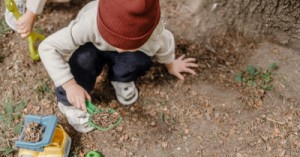
Designing outdoor spaces for little ones is about balancing safety, sensory exploration, and opportunities for growth. Babies and toddlers thrive in environments that invite curiosity while supporting their developmental milestones. Below are practical, creative ideas to guide your setup.

Educational leaders hold a unique position in early childhood services: part mentor, part compliance guide, and part visionary. The role is not about quick fixes; it’s about cultivating a reflective culture where educators', families', and children’s voices shape practice. This 12‑month roadmap offers a structured yet flexible guide, helping leaders pace their focus across programming, planning, family engagement, compliance, and professional growth.

For 3-year-olds who don’t nap, the key is offering calm, quiet, and engaging activities that help them reset without disturbing their sleeping peers. Think soft, independent activities like story listening, mindful breathing, or quiet table play. Here are some structured ideas you can try in your centre:
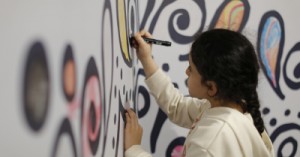
Displays are more than decoration, they shape how children and families feel in a space. Overly busy walls can overwhelm, while thoughtful, curated displays invite calm, belonging, and genuine connection. As educators, our role is to ensure displays reflect children’s voices, celebrate diversity, and communicate clearly with families, all while maintaining a soothing environment.
This guide offers principles, reflection prompts, and practical examples to help educators design displays that are purposeful, inclusive, and calming.

Educators in Australia must conduct at least one emergency evacuation drill per year under AS 3745-2010, with best practice being every six months. Fire drills are directly linked to the Education and Care Services National Regulations and Quality Area 2 of the National Quality Standard (NQS), ensuring children’s safety and wellbeing.

Duty of care is more than a legal obligation—it is the foundation of safe, ethical, and professional practice. In education, healthcare, and community services, it means ensuring that every decision, action, and environment prioritizes the wellbeing of those in our care. Compliance is not about ticking boxes; it is about embedding responsibility into everyday routines.
Sensory boards, often called busy boards, are interactive panels designed to stimulate children’s senses and encourage hands-on exploration. They combine everyday objects, locks, switches, textures, zippers, bells, into a safe, engaging platform that nurtures curiosity, problem-solving, and fine motor skills.

The International Day of Happiness, observed globally on 20th March, is an opportunity to highlight the importance of well-being, joy, and positive relationships in children’s lives. In early childhood settings, celebrating this day can foster belonging, resilience, and emotional literacy. By embedding happiness-focused activities into daily routines, educators can nurture environments where children, families, and staff thrive together.
 Open ended questions cannot be responded to with one word answers such as yes or no. These types of questions enables a child to provide… Read More
 During your child’s preschool years, an important milestone begins to emerge. This is the development of pre-writing skills. Pre-writing skills are used to encourage, develop… Read More
 An Acknowledgment of the Country is a way of showing respect for the Traditional Owners and can be given by both non-Indigenous people and Aboriginal… Read More
 Open ended materials enables children to play freely. They are objects that have no rules to follow, use or function. Raw materials that can be… Read More
 Language plays an important role in a child’s development. It enables a child to communicate effectively with their family, learn at school, socialize with friends,… Read More
 Like adults, children have to deal with their own stress in life. Moving house, starting a new school, preparing for a new sibling - these are… Read More
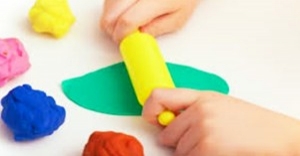 Playdough is such a versatile material. It provides numerous benefits to children as they manipulate it, it is safe and soothing and provides children with… Read More
 Teaching children about sustainability enables them to appreciate and respect the natural environment. Early childhood services can provide meaningful hand on learning experiences in order… Read More
 Recycling is an important concept that teaches children to care for the environment. It encourages children to be responsible and show a growing appreciating for… Read More
 Incursions provide children with the opportunity to explore meaningful learning experiences in the comfort of their early childhood service. The following provides a directory of… Read More
Teaching emotional attunement requires more than knowledge—it demands presence, practice, and a culture that values...
See more...
The Child Safe Standards recommended by the Royal Commission provide a framework for making organisations...
See more...
A personal philosophy is a short written statement that explains your beliefs, values, and approaches...
See more...