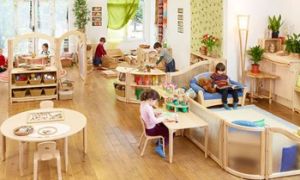
Play is more than just fun; it is a fundamental right enshrined in UNCRC Article 31, which guarantees every child the right to rest, leisure, play, and participation in cultural and artistic life. On the International Day of Play (11 June 2026), we are reminded that protecting play means protecting childhood itself. The 31 Minutes of Play Challenge is a simple yet powerful way to honour this right: dedicating at least 31 minutes each day to uninterrupted play that nurtures creativity, imagination, and well-being.
Why Article 31 Matters
-
Right to Play: Essential for children’s physical, cognitive, social, and emotional growth.
-
Right to Rest: Ensures children have downtime to recharge and reflect.
-
Right to Culture: Protects access to traditions, languages, and diverse cultural practices.
-
Right to Arts: Encourages creativity and self-expression through music, drama, and visual arts.
The 31 Minutes of Play Challenge
A daily ritual where children engage in 31 minutes of uninterrupted play, divided into diverse segments:
-
Outdoor Exploration (10 minutes): Running, climbing, nature walks.
-
Creative Arts (7 minutes): Painting, block building, recycled crafts.
-
Imaginative Roleplay (7 minutes): Storytelling, dress-ups, puppet shows.
-
Sensory Play (4 minutes): Sand, water, textured materials.
-
Reflective Sharing (3 minutes): Talking, drawing, or writing about play experiences.
This balance touches on physical, creative, social, and emotional aspects of play, making it holistic and engaging.
Why 31 Minutes?
- It’s quirky and memorable, not the usual 30.
- It signals intentionality: a ritual, not a random activity.
- It’s achievable daily in classrooms and homes.
- Inspired by Article 31 of the UN Convention on the Rights of the Child (UNCRC), which enshrines every child’s right to play, rest, leisure, and participation in cultural life.
How to Celebrate
- Launch the challenge on International Day of Play (11 June).
- Encourage families to join at home for “31 minutes together.”
- Share reflections to spread awareness.
- Connect the challenge to Save the Children’s advocacy for Article 31, reinforcing that play is a right, not a privilege.
The 31 Minutes of Play Challenge is more than a fun activity; it is a statement of advocacy. By dedicating time to play, we affirm children’s rights under Article 31 and strengthen the message that play is essential for growth, resilience, and joy. On the International Day of Play, let’s commit to protecting childhood by protecting play.
Further Reading
The Value Of Play
Unstructured Play Materials For Children
Spontaneous Play In Early Childhood
Child Theorists and Their Theories in Practice
Benefits Of Interest Areas
Open Ended Play Materials
Stages Of Play
Kenneth Rubin—Theories Of Play
Benefits Of Risk Play For Children




 The Children’s Services Award introduces a streamlined classification system and updated pay rates designed to better recognise the skills, qualifications, and responsibilities of early childhood
 The Children’s Services Award has 8 clear levels. These levels make it easier to understand where you fit, based on your experience, qualifications, and responsibilities.
 When working as a qualified early childhood teacher (with a university degree) within a service, your rate of pay will come from the Educational Services
 Diploma-qualified educators play a vital role in early childhood services, taking on responsibilities that range from supporting children’s learning and development to leading rooms and
 Certificate III qualified educators form the backbone of early childhood services, providing essential care and learning support for children across all settings. Their wages under
 Early Childhood Teachers (ECTs) play a vital role in leading curriculum and pedagogy in early learning settings. Regulation 272 of the Education and Care Services
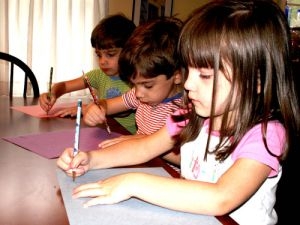 Discover how school readiness programs support children’s independence, confidence, and skills for a successful transition into primary school.
 When an Educator is not performing their tasks or responsibilities at best practice, these issues need to be addressed for the Educator to understand where
 Educators can maximise tax deductions by claiming classroom supplies, training, union fees, and home office costs this financial year.
 A staff appraisal is a formal, systematic process of determining and reviewing the performance of early childhood educators over a period of time, usually a