Reflection and critical reflection are both essential practices in education. While they sound similar, they serve different purposes. Understanding the distinction helps educators know when to use each and how they contribute to professional growth and improved outcomes for children.
What Is Reflection?
Reflection is the process of looking back on experiences to understand what happened and how you felt about it.
- Descriptive: Focuses on what occurred during an activity or interaction.
- Personal learning: Helps identify strengths, challenges, and areas for improvement.
- Everyday practice: Often used in journals, daily notes, or team discussions.
Example: After a messy play activity, you reflect that children enjoyed the sensory experience, but the cleanup took longer than expected. You decide to adjust the setup next time.
What Is Critical Reflection?
Critical reflection goes deeper. It asks educators to question assumptions, values, and systemic influences that shape practice.
- Analytical: Explores why things happened and what influenced them.
- Challenges bias: Encourages examining personal beliefs, cultural perspectives, and ethical considerations.
- Transformative: Leads to changes in practice, policies, or approaches that promote equity and inclusion.
Example: After noticing that some children avoided messy play, you critically reflect on whether cultural expectations, sensory sensitivities, or your own assumptions about “engagement” influenced participation. You then adapt the activity to be more inclusive.
Quick Comparison
| Aspect | Reflection | Critical Reflection |
|---|---|---|
| Focus | What happened | Why it happened |
| Depth | Surface-level | Deeper analysis |
| Purpose | Personal growth | Transformative change |
| Use for | Daily practice notes | Challenging bias/systemic issues |
| Outcome | Improved activities | Shift in values/practice |
Example Of Reflection (Everyday Practice)
"The children really enjoyed the messy play activity today. They were engaged with the textures and laughed while exploring. Cleanup took longer than expected, so next time I’ll set up trays to contain the mess better."
Here, the educator is describing what happened, noting enjoyment and a practical adjustment for next time. It’s surface-level and focused on immediate practice.
Example Of Critical Reflection (Deeper Analysis)
"During messy play, I noticed some children avoided the activity. At first, I assumed they weren’t interested, but on reflection I wonder if cultural expectations around cleanliness, sensory sensitivities, or my own bias about what ‘engagement’ looks like influenced participation. This makes me question whether my setup was inclusive. Next time, I’ll provide alternative sensory options and consult families about cultural perspectives on messy play to ensure all children feel comfortable and represented."
Here, the educator is questioning assumptions, considering broader influences (culture, bias, inclusion), and planning systemic changes. It’s not just about cleanup; it’s about equity and values.
Key Difference
-
Reflection: What happened, what worked, and what didn’t.
-
Critical Reflection: Why it happened, whose voices are included/excluded, what values or systems are at play, and how practice can transform.
When to Use Each
-
Use Reflection:
- After lessons or activities to record what worked.
- For personal journaling or quick evaluation.
- When tracking progress without deep analysis.
-
Use Critical Reflection:
- When considering equity, inclusion, or cultural responsiveness.
- To align practice with EYLF/NQS standards.
- When aiming for systemic improvements or challenging assumptions.
Think of reflection as your daily diary—a way to capture what happened and learn from it.
Think of critical reflection as your investigation journal—a tool for questioning, challenging, and transforming practice.
Both are valuable, but critical reflection is what drives long-term professional growth and sector reform.
Further Reading
Reflection Vs Critical Reflection
Reflective Practices In Childcare
Educators Guide To Critical Reflections
Reflections Of Our Day
Reviewing Practices
Reflection Journal
Letting Go
10 Minute Reflection
Reflections In Action Posters
Writing Prompts For Evaluations, Reflections and Children's Documentation

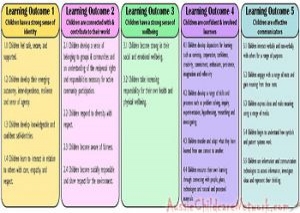 Here is the list of the EYLF Learning Outcomes that you can use as a guide or reference for your documentation and planning. The EYLF
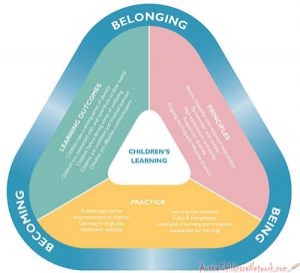 The EYLF is a guide which consists of Principles, Practices and 5 main Learning Outcomes along with each of their sub outcomes, based on identity,
 This is a guide on How to Write a Learning Story. It provides information on What Is A Learning Story, Writing A Learning Story, Sample
 One of the most important types of documentation methods that educators needs to be familiar with are “observations”. Observations are crucial for all early childhood
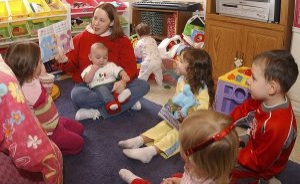 To support children achieve learning outcomes from the EYLF Framework, the following list gives educators examples of how to promote children's learning in each individual
 Reflective practice is learning from everyday situations and issues and concerns that arise which form part of our daily routine while working in an early
 When observing children, it's important that we use a range of different observation methods from running records, learning stories to photographs and work samples. Using
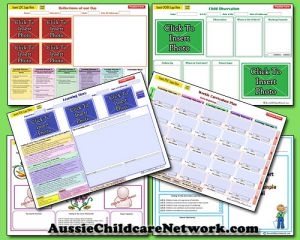 Within Australia, Programming and Planning is reflected and supported by the Early Years Learning Framework. Educators within early childhood settings, use the EYLF to guide
 This is a guide for educators on what to observe under each sub learning outcome from the EYLF Framework, when a child is engaged in
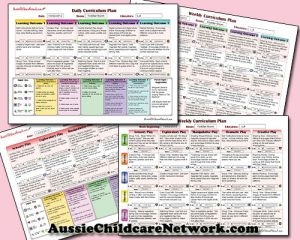 The Early Years Learning Framework describes the curriculum as “all the interactions, experiences, activities, routines and events, planned and unplanned, that occur in an environment