


The following provides a list of activity ideas for each sub-outcome of MTOP Outcome 3: Children And Young People Have A Strong Sense Of Wellbeing.
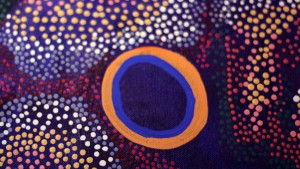
NAIDOC Week is a time to celebrate and learn about the rich histories, cultures, and achievements of Aboriginal and Torres Strait Islander peoples. For OOSH children, it’s an opportunity to engage in meaningful activities that go beyond fun, encouraging respect, curiosity, and creativity while deepening their understanding of First Nations stories, art, and traditions. By weaving together hands-on projects, storytelling, and reflection, educators can help children connect with the spirit of NAIDOC Week in ways that are both age-appropriate and inspiring.
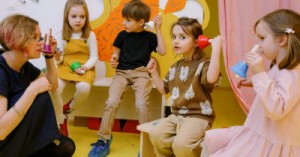
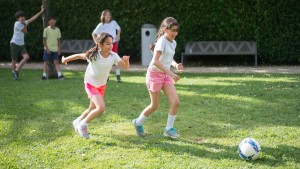
Group games are a wonderful way to build social skills, cooperation, and confidence in preschoolers. They encourage children to listen, take turns, and celebrate each other’s successes. Here are 30 tried‑and‑true favourites you can introduce to your kindy group.

When you’re running OSHC programs, it’s easy to feel like you’re recycling the same handful of activities. Children thrive on variety, and having a big bank of creative options can help you break out of that slump. Below is a list of 50 diverse art and craft ideas, ranging from quick, low-prep projects to collaborative, cultural, and recycled-material activities. They’re designed to spark imagination, foster belonging, and keep sessions fresh and engaging for all ages.
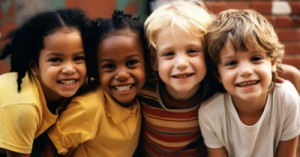
Harmony Week (16th–23rd March) is a national celebration of cultural diversity, respect, and inclusion. For toddlers and preschoolers, it’s an opportunity to explore the idea that everyone belongs through play, stories, and shared experiences.
In early childhood settings, Harmony Week is not about complex discussions—it’s about simple, joyful ways to show kindness, celebrate differences, and build a sense of belonging. By weaving Harmony Week into everyday routines, educators can help children understand that our world is made richer when we learn from each other.
This guide provides practical strategies, activity ideas, and reflection prompts tailored for toddlers and preschoolers. It’s designed to support educators in creating meaningful, age-appropriate experiences that highlight diversity and inclusion while keeping learning playful and accessible.
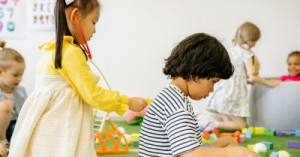
It is not uncommon for children aged 3–5 to show curiosity about bodies, including private parts. This behaviour is part of early exploration and does not carry sexual intent. However, when children seek privacy or involve peers, educators must respond with clear boundaries and child-safe practices. The goal is to guide children respectfully, without shaming, while reinforcing safety and trust.

Minecraft has become a powerful tool for engaging children in OOSH. Its open-ended, creative environment allows children to explore, build, and collaborate in ways that naturally align with the MTOP. When thoughtfully facilitated, Minecraft activities can extend children’s interests, foster teamwork, and embed meaningful learning outcomes.

In OSHC, children often mirror cultural trends. The rise of “Sephora kids," young people fascinated by skincare and makeup, has sparked curiosity about how educators can channel this interest safely. While applying cosmetics directly to children’s skin isn’t appropriate, there are many playful, imaginative strategies that let them explore beauty culture without risk.
 Toddlers have a greater understanding of the world around them by this stage. Their cognitive development (also known as intellectual development and thinking skills) continues… Read More
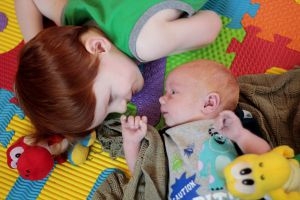 Infants begin to develop trust when parents begin to fulfil their needs. Such as changing an infant's nappy when needed, feeding on request and holding… Read More
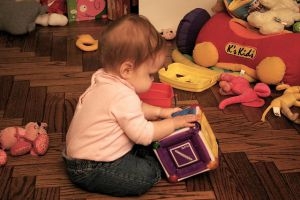 Beginning at birth the construction of thought processes, such as memory, problem solving, exploration of objects etc, is an important part of an infant’s cognitive… Read More
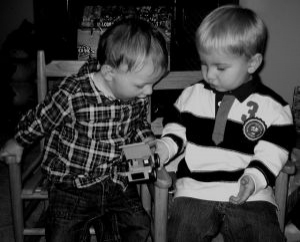 Toddlers want to do more on their own and do not like it when you begin to establish limits on their behaviour. Tantrums can become… Read More
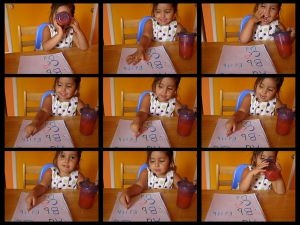 Your preschooler is now able to focus their attention more accurately and is less influenced by distractions. The intensity of questions increase as your child… Read More
 John Dewey is often seen as the proponent of learning by doing – rather than learning by passively receiving. He believed that each child was active,… Read More
 Erik Erikson developed a psychosocial theory to understand how we each develop our identities through eight stages of psychosocial development from infancy to adulthood. The… Read More
 Toddler advance and gains new skills in Gross Motor Development milestones achieved throughout earlier years. Co-ordination and challenges that could not be performed before such… Read More
 At this point preschoolers begin to interact effectively with others. Play becomes more innovative and organized and “boyfriend” or “girlfriend” begins to emerge. Preschoolers have… Read More
 From now, babies begin to identify and respond to their own feelings, understanding other's feelings & needs and interact positively with others. A baby's social and… Read More
Nail Biting or Onychophagia is a very common behaviour found in children and adults. Nearly...
See more...
Fine motor skills have improved during this point, with increased concentration and patience. These improvements...
See more...
Critical reflection is a powerful tool for understanding and addressing challenging behaviours in young children...
See more...