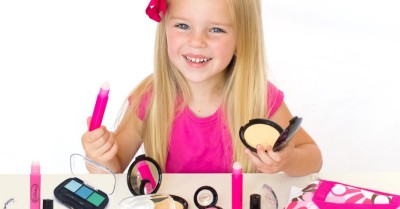
In OSHC, children often mirror cultural trends. The rise of “Sephora kids," young people fascinated by skincare and makeup, has sparked curiosity about how educators can channel this interest safely. While applying cosmetics directly to children’s skin isn’t appropriate, there are many playful, imaginative strategies that let them explore beauty culture without risk.
Why Makeup Play Matters
- Identity exploration: Children experiment with self-expression and creativity.
- Role-play: Makeup activities often connect to dramatic play, performance, and storytelling.
- Fine motor skills: Handling brushes, sponges, and palettes builds coordination.
- Safe boundaries: Redirecting makeup use onto props or canvases avoids skin irritation and peer pressure.
Practical Strategies for Safe Makeup Activities
1. Potato or Fruit Faces
- Provide potatoes, apples, or oranges as “practice canvases.”
- Children can apply foundation, blush, or face paint to these items instead of themselves.
- Extend the activity by drawing facial features with markers before decorating.
2. Paper Doll Glam Stations
- Print large paper doll templates.
- Offer makeup swatches, stickers, or colored pencils for children to design looks.
- Encourage themed challenges (e.g., “red carpet,” “nature-inspired,” “futuristic”).
3. Makeup on Mannequin Heads or Masks
- Use plastic mannequin heads or blank masks.
- Children can experiment with makeup styles, then wipe clean for reuse.
- Link to drama activities—designing characters for plays or skits.
4. Brush & Sponge Exploration
- Provide clean brushes, sponges, and applicators with water-based paints.
- Children practice blending colors on paper or cardboard palettes.
- This builds technique without cosmetic products.
5. Fashion Show Role Play
- Children design makeup looks on props, then present them in a “runway” or photo shoot.
- Use digital tablets or cameras to capture their creations for reflection.
6. Cultural & Historical Makeup Exploration
- Introduce makeup traditions from different cultures (e.g., Japanese Kabuki, Indigenous face painting, Ancient Egyptian styles).
- Children recreate these designs on paper or props, linking to identity and diversity outcomes.
7. Makeup on Rocks or Shells
- Smooth rocks or large shells can be decorated with makeup, paint, or chalk.
- Children can create “character stones” with personalities and backstories.
8. Face Charts & Makeup Design Sheets
- Provide printable face charts (used by professional makeup artists).
- Children experiment with color combinations using pencils, crayons, or makeup swatches.
- Great for linking to art and design outcomes.
9. Collaborative Canvas Painting
- Set up a large canvas or cardboard sheet.
- Children use brushes, sponges, and makeup palettes to create abstract art.
- Encourages teamwork and blending techniques.
10. Makeup + Costume Integration
- Pair makeup props with dress-up boxes.
- Children design looks for puppets, dolls, or stuffed animals.
- Extend into drama play with skits or performances.
11. Digital Makeup Play
- Use tablets with drawing apps to simulate makeup application.
- Children can “apply” lipstick, blush, or eyeshadow digitally to avatars or photos of paper dolls.
- Safe, mess-free, and tech-integrated.
12. Makeup Science Experiments
- Explore textures and mixing: compare foundation, paint, and clay.
- Children test blending on paper or props, linking to STEM inquiry.
- Discuss how pigments and powders work.
13. Makeup Collage Boards
- Provide old magazines, makeup packaging, and colored paper.
- Children cut, paste, and design “mood boards” for creative looks.
- Encourages visual storytelling and design thinking.
14. Seasonal & Cultural Makeup Themes
- Link activities to festivals or cultural traditions (e.g., Diwali, Halloween, Lunar New Year).
- Children design themed looks on props or paper templates.
- Builds cultural awareness and celebration.
15. Makeup + Nature Play
- Combine natural materials (leaves, petals, sand) with makeup brushes.
- Children create eco-inspired designs on cardboard faces or clay models.
- Connects beauty play with sustainability.
Educator Tips
- Set boundaries clearly: Explain why makeup isn’t applied to faces in OSHC.
- Celebrate creativity: Focus on design, color theory, and storytelling.
- Link to curriculum: Tie activities to My Time, Our Place outcomes—identity, community, creativity, and well-being.
- Encourage reflection: Ask children to share what their design represents or how it makes them feel.
Makeup play doesn’t have to mean cosmetics on skin. By redirecting children’s fascination into imaginative, safe activities, OSHC educators can nurture creativity, cultural awareness, and self-expression—while maintaining professional boundaries. Potatoes, paper dolls, and props become canvases for identity exploration, turning beauty culture into a playful, educational resource.
Further Reading
Cardboard Nail Painting
Helping Children Develop Self-Awareness
Building Confidence In Children
Developing A Child's Strong Sense Of Identity


 Open ended questions cannot be responded to with one word answers such as yes or no. These types of questions enables a child to provide
 During your child’s preschool years, an important milestone begins to emerge. This is the development of pre-writing skills. Pre-writing skills are used to encourage, develop
 An Acknowledgment of the Country is a way of showing respect for the Traditional Owners and can be given by both non-Indigenous people and Aboriginal
 Open ended materials enables children to play freely. They are objects that have no rules to follow, use or function. Raw materials that can be
 Language plays an important role in a child’s development. It enables a child to communicate effectively with their family, learn at school, socialize with friends,
 Like adults, children have to deal with their own stress in life. Moving house, starting a new school, preparing for a new sibling - these are
 Playdough is such a versatile material. It provides numerous benefits to children as they manipulate it, it is safe and soothing and provides children with
 Teaching children about sustainability enables them to appreciate and respect the natural environment. Early childhood services can provide meaningful hand on learning experiences in order
 Recycling is an important concept that teaches children to care for the environment. It encourages children to be responsible and show a growing appreciating for
 Incursions provide children with the opportunity to explore meaningful learning experiences in the comfort of their early childhood service. The following provides a directory of