


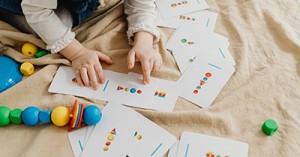
Shapes are everywhere, in the food we eat, the toys we play with, and the stories we tell. For young children, learning shapes isn’t just about geometry; it’s about noticing patterns, building vocabulary, and connecting with the world around them. These simple, rhythmic rhymes make shape learning fun, memorable, and emotionally engaging.
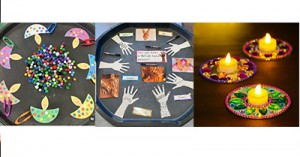
The following setups and experiences are designed to foster fine motor skills, pattern recognition, and joyful engagement with the traditions of the Festival of Lights. Each activity offers opportunities for children to express themselves, explore symbolism, and co-create meaning in inclusive and developmentally appropriate ways.

Celebrating Diwali with toddlers and preschoolers in early childhood settings is a joyful opportunity to foster cultural awareness, sensory exploration, and inclusive belonging. Here are some developmentally appropriate, emotionally intelligent ideas to celebrate Diwali with toddlers and preschoolers.
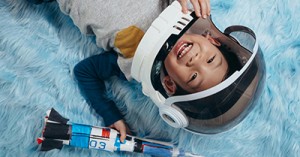
World Space Week is from 4th - 10th October. To help educators join the global celebration, a variety of free themed activities are available for download. These resources are designed to be engaging, educational, and easy to use across different age groups, making space exploration accessible and fun for all.
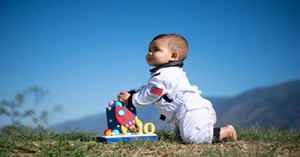
World Space Week ideas for babies and toddlers: sensory play, crafts, songs, and gentle learning.

Here’s a curated list of simple, quick, and tasty vegetarian recipes designed with young children in mind—perfect for early learning settings or family meals. These recipes balance nutrition, sensory appeal, and ease of preparation, with options that support cultural inclusion and dietary needs.

By empowering early childhood educators to embrace Auslan and foster inclusive communication from the earliest years. Here's a scaffolded guide to help you begin teaching Auslan in early childhood settings for toddlers and preschoolers.

Here are 5 gentle, emotionally intelligent, story-based resources designed to help young children understand body boundaries, safe adults, and protective behaviors.

Father’s Day is on the 6th of September 2026; it's time to start thinking of gifts from babies that can be meaningful, practical, and developmentally appropriate—without relying on the usual hand or footprints. Here are 50 inspired DIY Father's Day gift ideas for babies.

Children’s Book Week 2025 marks the 80th anniversary of this beloved national celebration, running from Saturday, 16 August, to Saturday, 23 August. Hosted by the Children’s Book Council of Australia (CBCA), this year’s theme—“Book an Adventure!”—explores the magic of storytelling through bold journeys, imaginative quests, and meaningful connections.
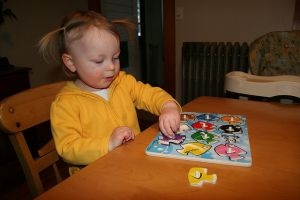 Toddlers have a greater understanding of the world around them by this stage. Their cognitive development (also known as intellectual development and thinking skills) continues… Read More
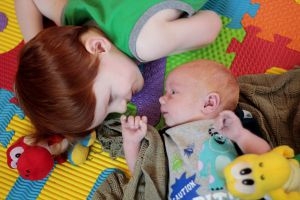 Infants begin to develop trust when parents begin to fulfil their needs. Such as changing an infant's nappy when needed, feeding on request and holding… Read More
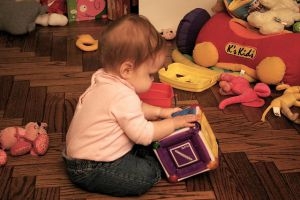 Beginning at birth the construction of thought processes, such as memory, problem solving, exploration of objects etc, is an important part of an infant’s cognitive… Read More
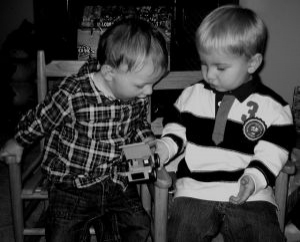 Toddlers want to do more on their own and do not like it when you begin to establish limits on their behaviour. Tantrums can become… Read More
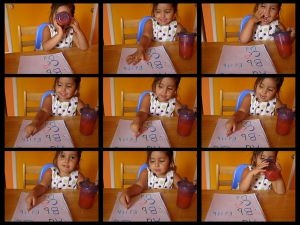 Your preschooler is now able to focus their attention more accurately and is less influenced by distractions. The intensity of questions increase as your child… Read More
 John Dewey is often seen as the proponent of learning by doing – rather than learning by passively receiving. He believed that each child was active,… Read More
 Erik Erikson developed a psychosocial theory to understand how we each develop our identities through eight stages of psychosocial development from infancy to adulthood. The… Read More
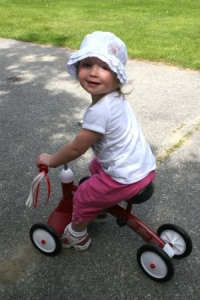 Toddler advance and gains new skills in Gross Motor Development milestones achieved throughout earlier years. Co-ordination and challenges that could not be performed before such… Read More
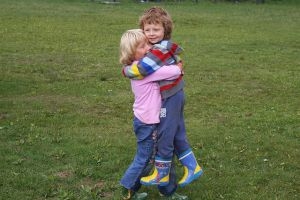 At this point preschoolers begin to interact effectively with others. Play becomes more innovative and organized and “boyfriend” or “girlfriend” begins to emerge. Preschoolers have… Read More
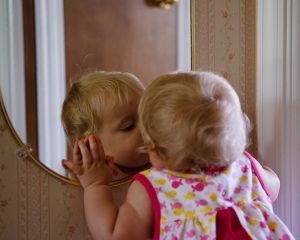 From now, babies begin to identify and respond to their own feelings, understanding other's feelings & needs and interact positively with others. A baby's social and… Read More

A: These are important situations where early intervention and appropriate strategies can make a significant...
See more...
It's always difficult to bring up behavioural issues with parents, it can be nerve wrecking...
See more...
Reset activities help children regain calm, rebuild confidence, and smoothly transition back to play and...
See more...