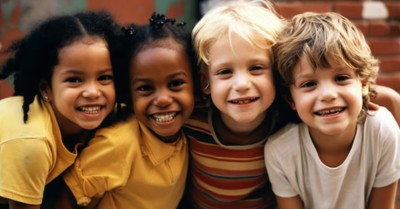
Harmony Week (16th–23rd March) is a national celebration of cultural diversity, respect, and inclusion. For toddlers and preschoolers, it’s an opportunity to explore the idea that everyone belongs through play, stories, and shared experiences.
In early childhood settings, Harmony Week is not about complex discussions—it’s about simple, joyful ways to show kindness, celebrate differences, and build a sense of belonging. By weaving Harmony Week into everyday routines, educators can help children understand that our world is made richer when we learn from each other.
This guide provides practical strategies, activity ideas, and reflection prompts tailored for toddlers and preschoolers. It’s designed to support educators in creating meaningful, age-appropriate experiences that highlight diversity and inclusion while keeping learning playful and accessible.
What is Harmony Week
- Simple definition: Harmony Week is about everyone belonging—celebrating kindness, respect, and the many cultures that make up our community.
- Child-friendly language: “Harmony Week is when we learn about friends from different places and show that everyone is special.”
- Symbol: Orange is the colour of Harmony Week—it represents friendship and inclusion.
Key Messages for Young Children
- Everyone belongs.
- We can be different and still be friends.
- Sharing stories, food, and play helps us understand each other.
- Kindness makes our world happy and fair.
Practical Strategies
- Keep it short & playful: Activities should be 5–10 minutes for toddlers, 10–15 minutes for preschoolers.
- Repeat daily: Reinforce belonging and kindness through songs, greetings, and group play.
- Model respect: Show enthusiasm when introducing cultural items or stories.
- Connect to routines: Use mealtimes, group time, and art sessions to embed Harmony Week themes.
Activity Ideas
| Activity | How to Do It | Outcome |
|---|---|---|
| Harmony Hands | Children press orange-painted handprints on a poster with their names. | Builds identity and belonging. |
| Friendship Circle | Sit in a circle, pass a ball, and say one kind word to the next child. | Encourages kindness and connection. |
| World Music Dance | Play songs from different countries and let children dance freely. | Promotes joy and cultural awareness. |
| Storytime from Around the World | Read short multicultural picture books. | Builds empathy and listening skills. |
| Orange Day Parade | Children wear orange or cultural dress and walk together. | Celebrates diversity and inclusion. |
| Food Tasting | Share safe, simple foods (fruit, rice crackers, bread types). |
Encourages curiosity and respect. |
Photo Ideas
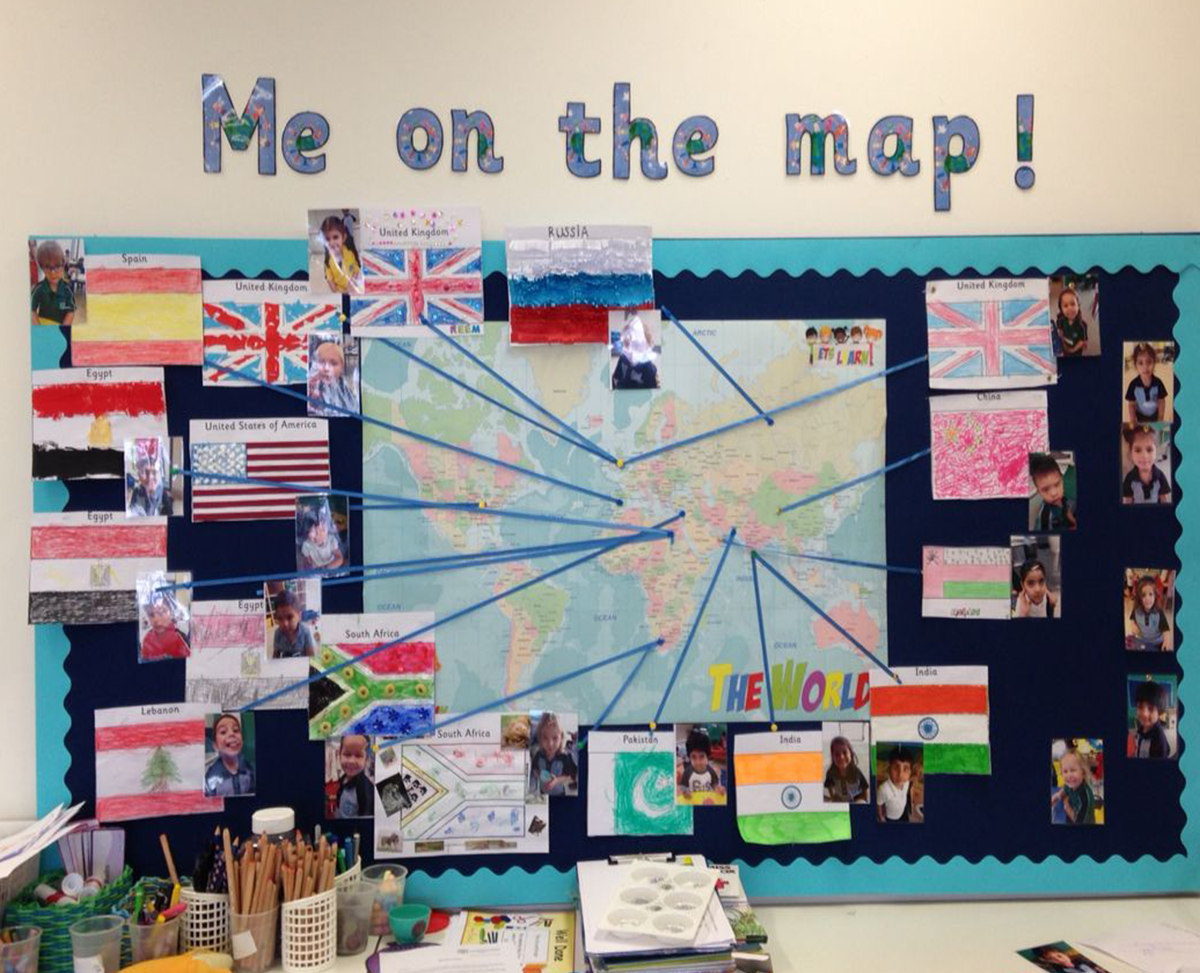
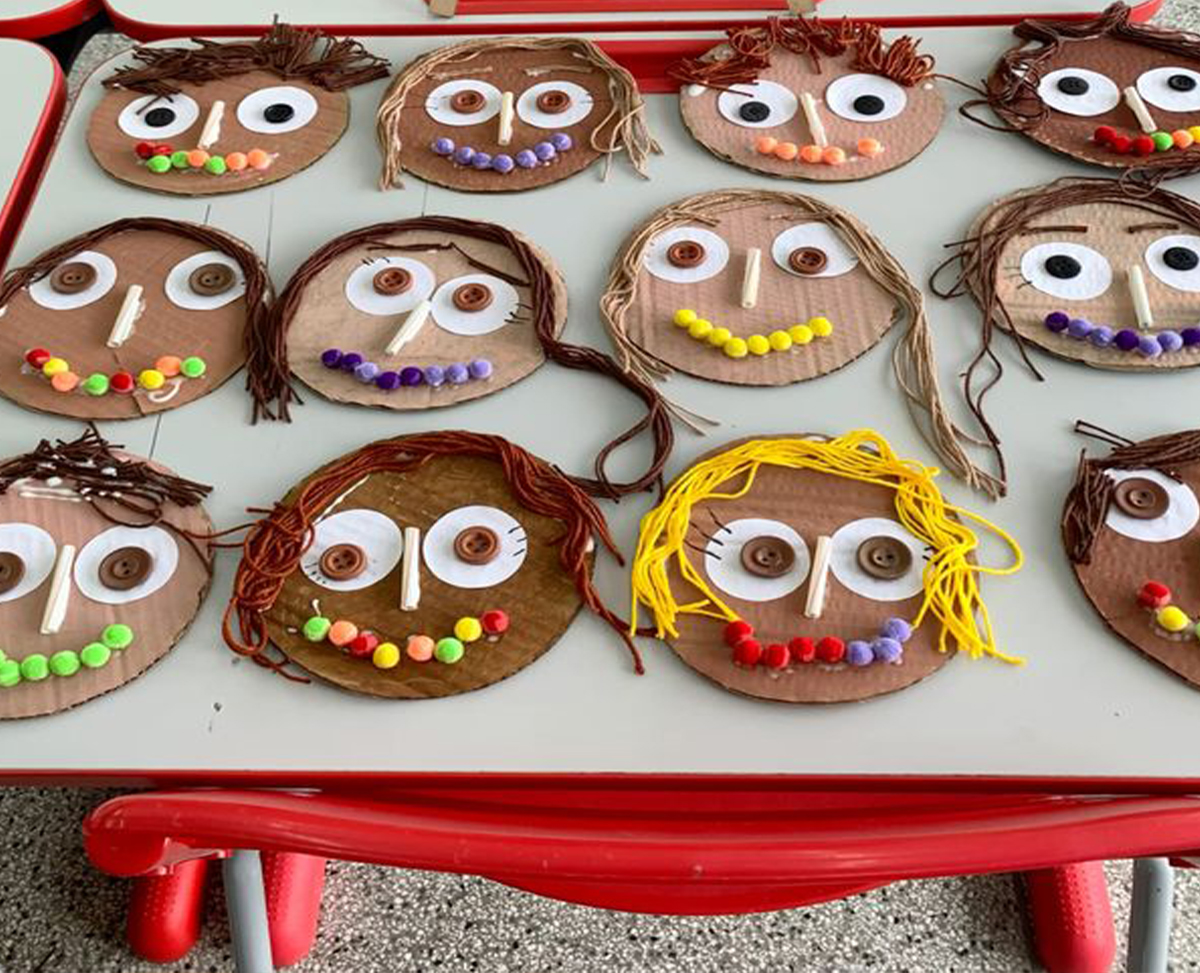
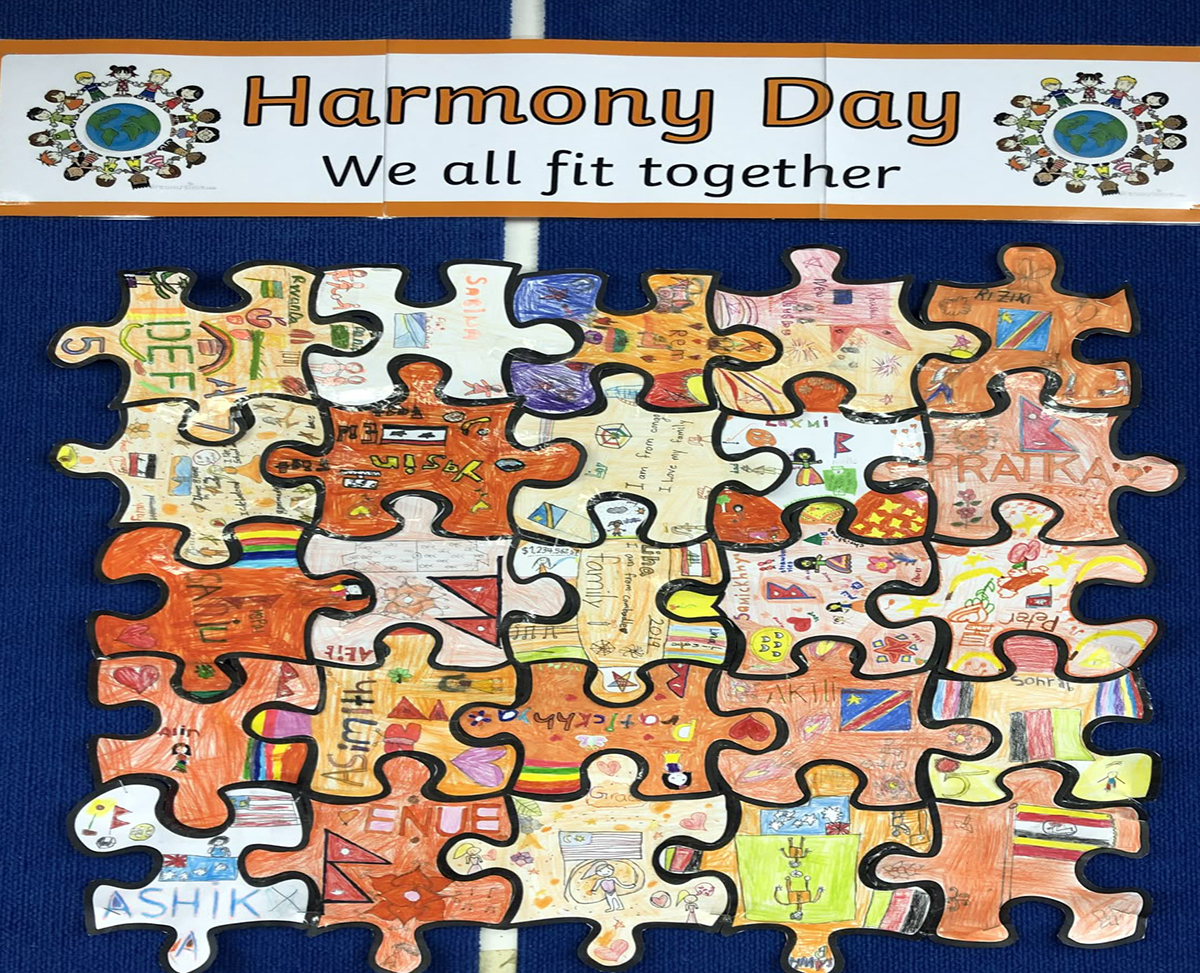
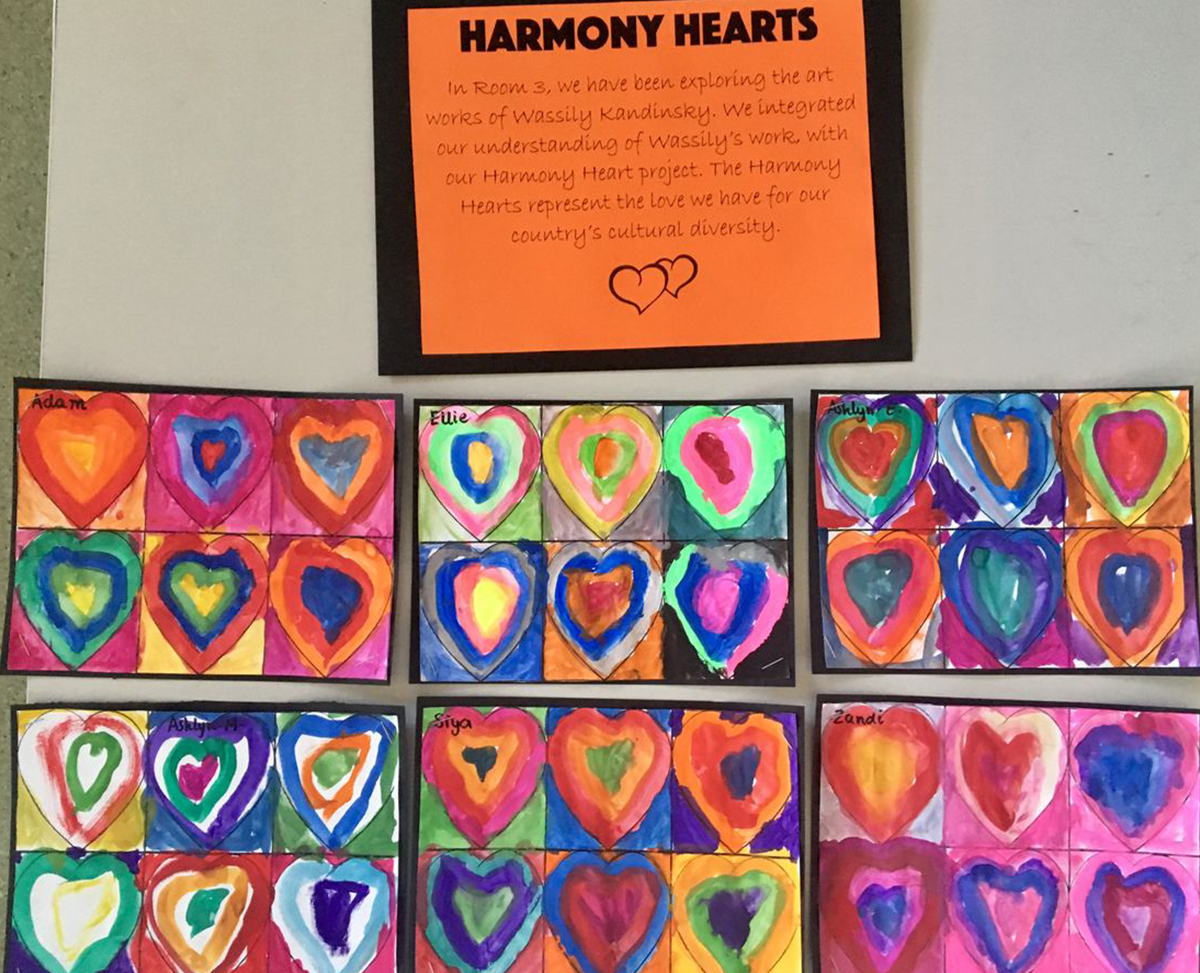
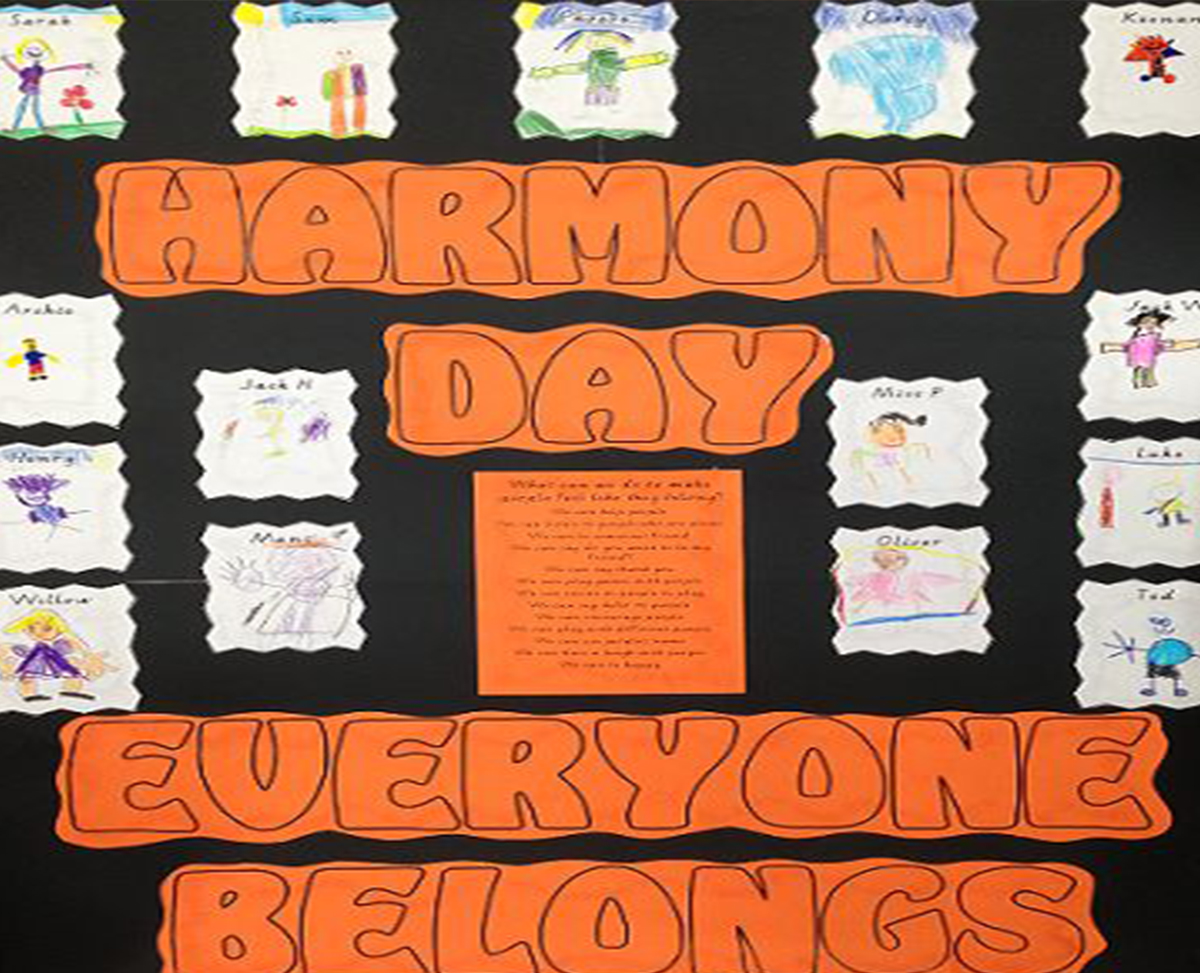
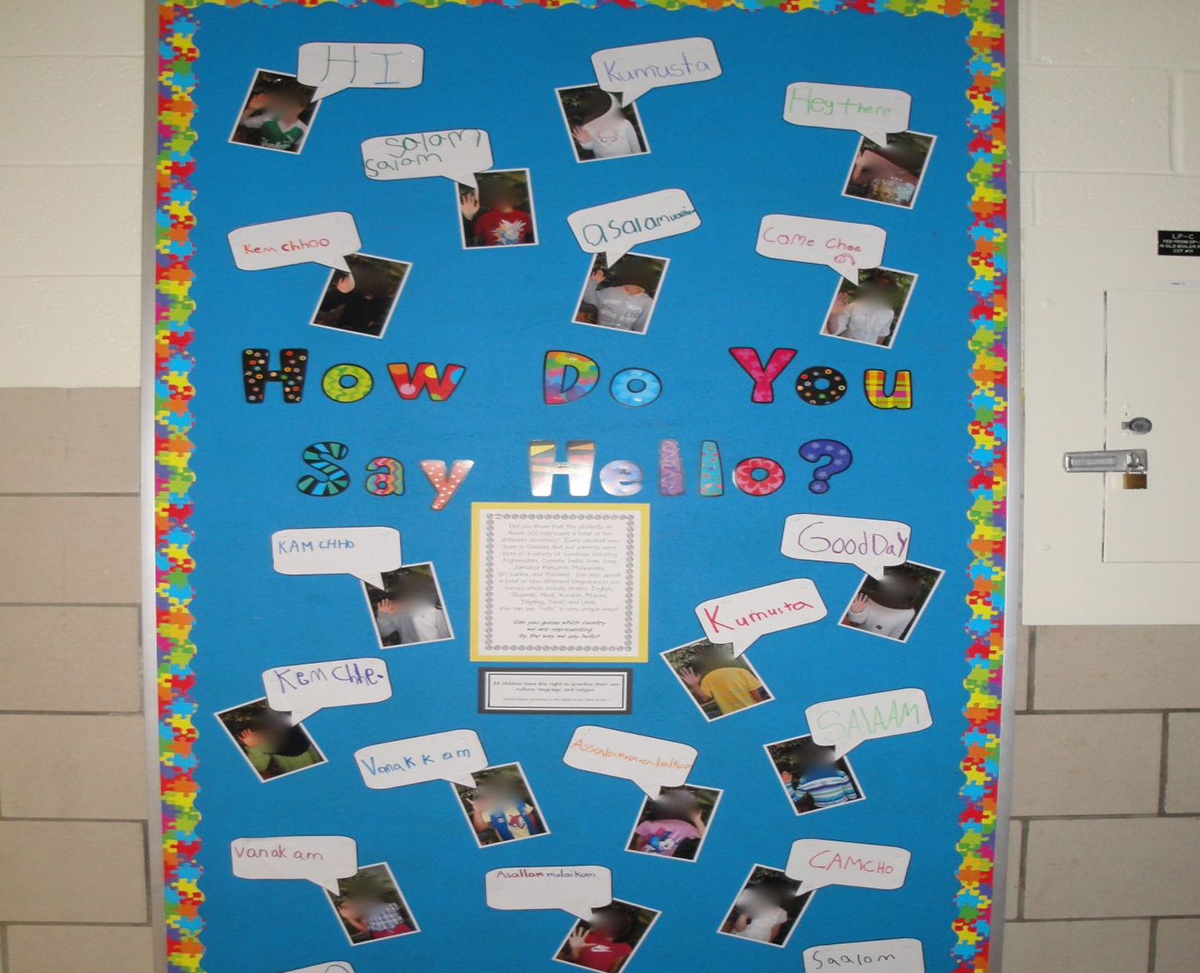
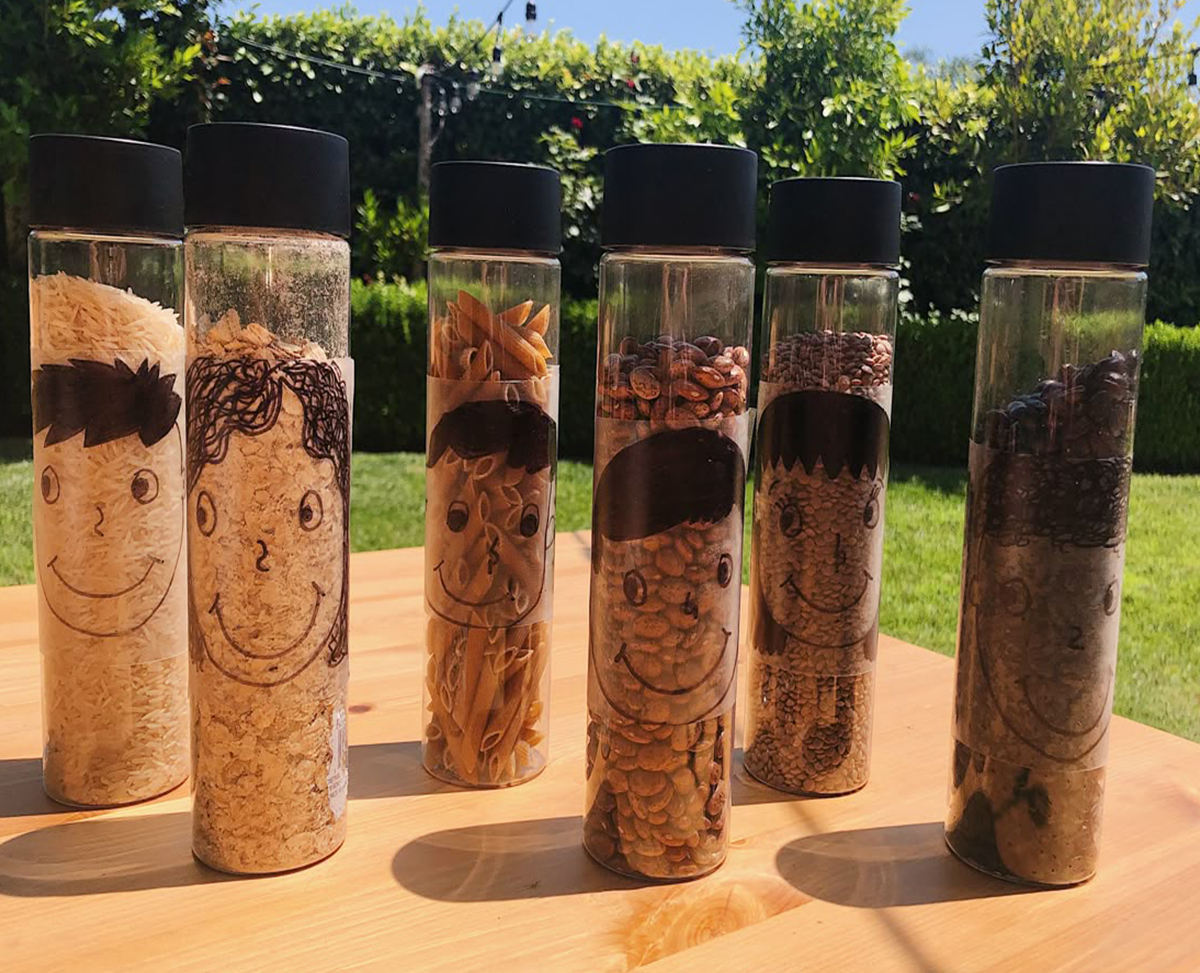
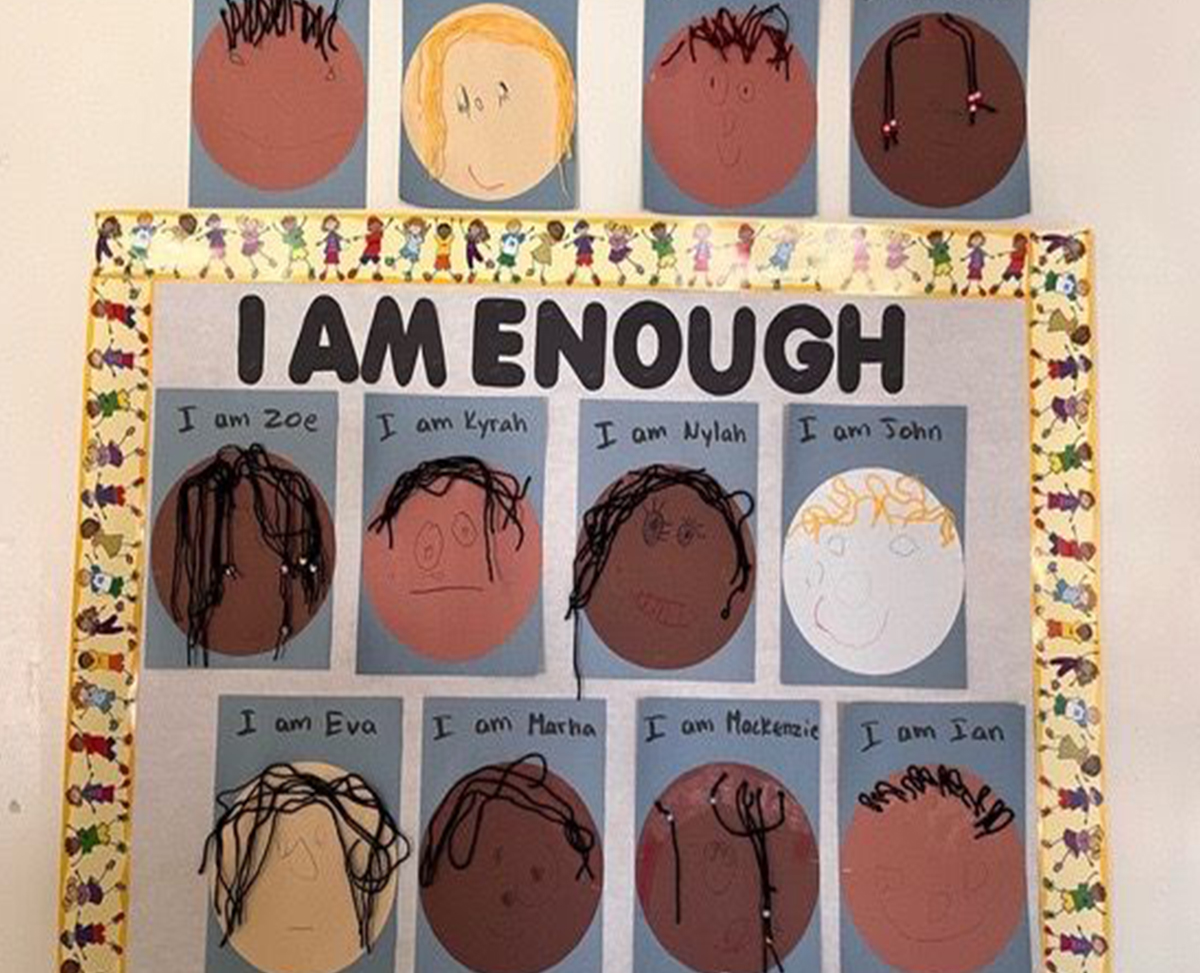
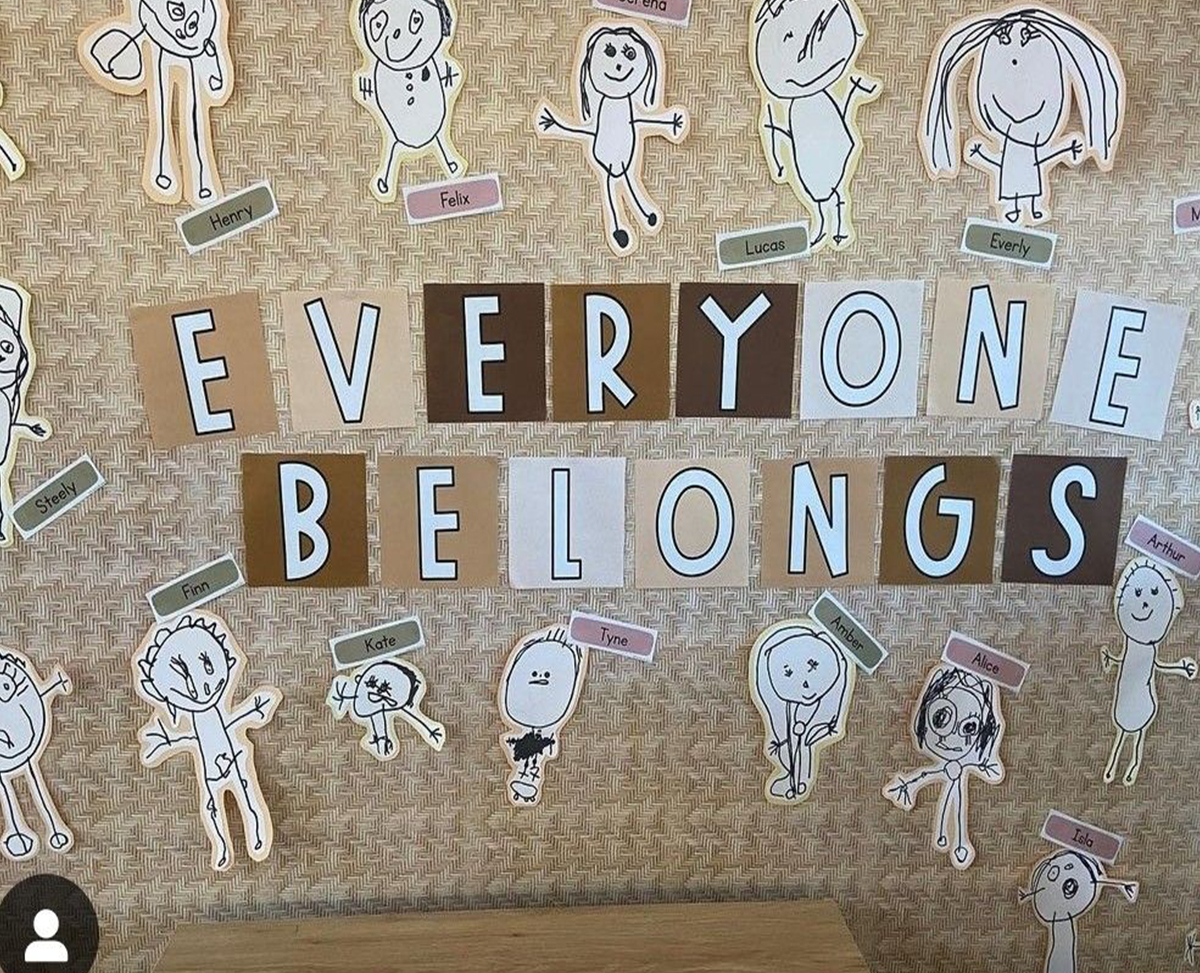
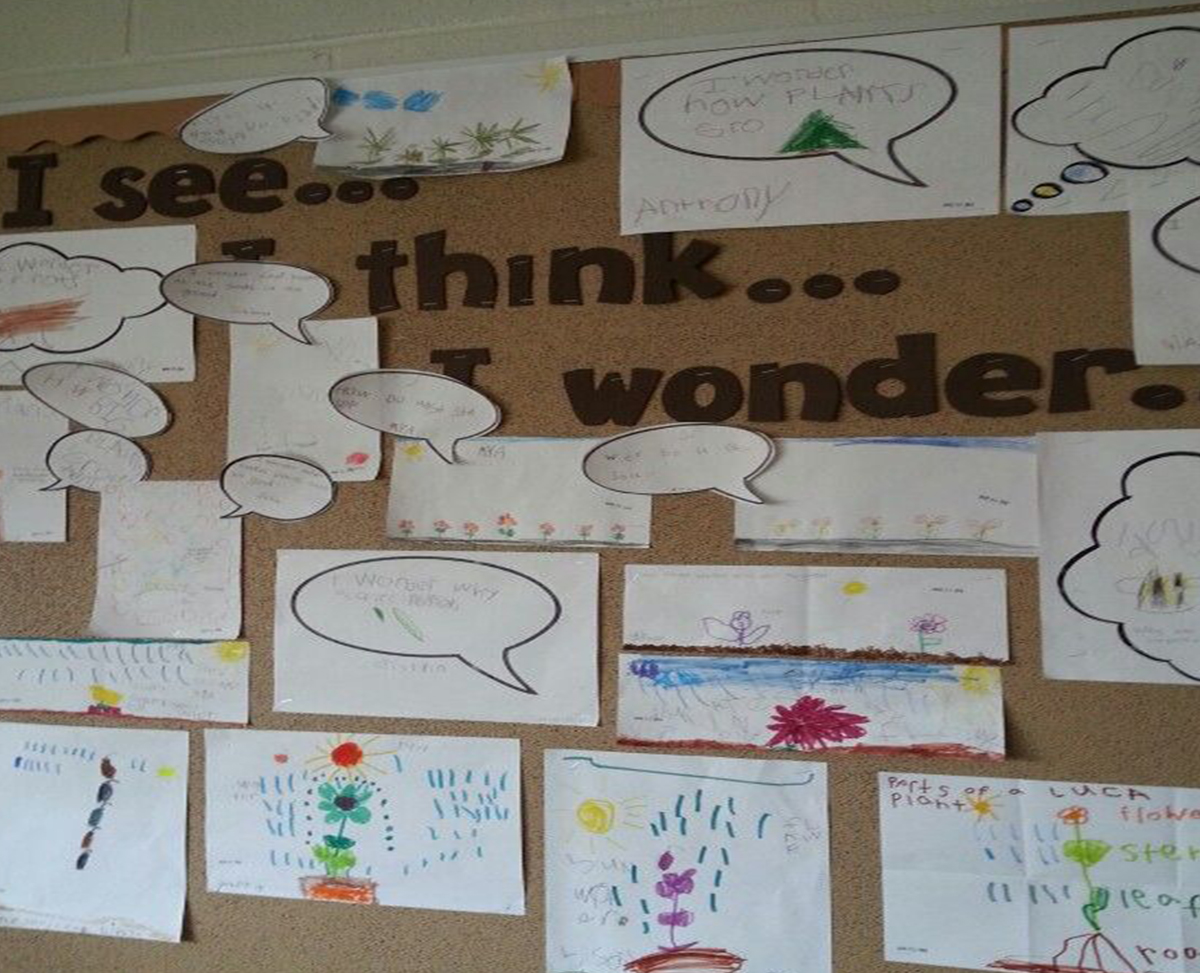
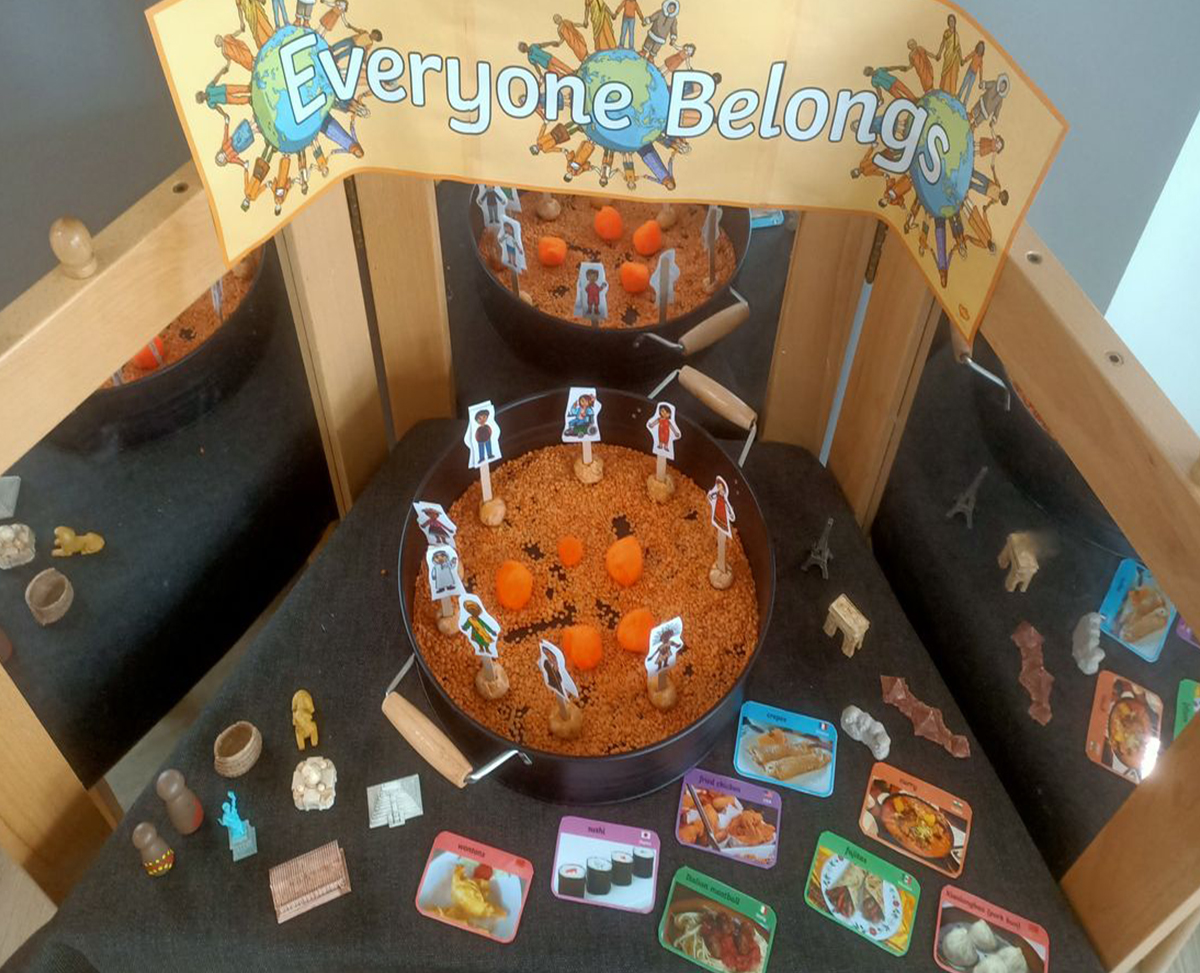
Reflection Prompts for Educators
- Did children show curiosity about different cultures?
- How did they respond to the idea of “everyone belongs”?
- Which activities sparked the most joy or engagement?
- How can these ideas be extended beyond Harmony Week?
Image References
Image 1 - Jaimi Iddon, Pinterest
Image 2 - Enrico Lomma, Pinterest
Image 3 - Chrissy Stewart, Pinterest
Image 4 - WordPress, Pinterest
Image 5 - Playologytime, Pinterest
Image 6 - Diana Kulakowski, Pinterest
Image 7 - Stacey Butler, Pinterest
Image 8 - Marlene Aclan-Tamayo, Pinterest
Image 9 - The Freckled Frog, Pinterest
Image 10 - Botanica ELC, Pinterest
Further Reading
Harmony Week Activities For Children
Harmony In Different Languages Posters
Developing Children's Sense Of Belonging
Identity‑Building Experiences for Toddlers



 Open ended questions cannot be responded to with one word answers such as yes or no. These types of questions enables a child to provide
 During your child’s preschool years, an important milestone begins to emerge. This is the development of pre-writing skills. Pre-writing skills are used to encourage, develop
 An Acknowledgment of the Country is a way of showing respect for the Traditional Owners and can be given by both non-Indigenous people and Aboriginal
 Open ended materials enables children to play freely. They are objects that have no rules to follow, use or function. Raw materials that can be
 Language plays an important role in a child’s development. It enables a child to communicate effectively with their family, learn at school, socialize with friends,
 Like adults, children have to deal with their own stress in life. Moving house, starting a new school, preparing for a new sibling - these are
 Playdough is such a versatile material. It provides numerous benefits to children as they manipulate it, it is safe and soothing and provides children with
 Teaching children about sustainability enables them to appreciate and respect the natural environment. Early childhood services can provide meaningful hand on learning experiences in order
 Recycling is an important concept that teaches children to care for the environment. It encourages children to be responsible and show a growing appreciating for
 Incursions provide children with the opportunity to explore meaningful learning experiences in the comfort of their early childhood service. The following provides a directory of